The aerospace industry operates on the absolute boundaries of mechanical engineering. Components deployed in aviation, defense, and space flight must survive extreme thermal cycles, corrosive atmospheric conditions, and immense structural stresses, all while achieving maximum weight reductions. Historically, this has placed CNC (Computer Numerical Control) machining at the heart of aerospace production. Modern aerospace manufacturing demands a standard of accuracy that leaves no margin for error. Suppliers must meet tolerances measured in microns while working with advanced engineering alloys like Titanium (Ti-6Al-4V), Inconel 718, 7075-T6 Aluminum, and cobalt-chrome superalloys.
This whitepaper provides procurement directors, supply chain managers, and structural engineers with a detailed analytical framework for selecting top-tier CNC aerospace component manufacturers. Leveraging structural insights from industry-leading standards such as AS9100 Rev D and ISO 9001:2015, we dissect the capabilities, technical routes, and supply chain demands that separate benchmark suppliers from standard machine shops.
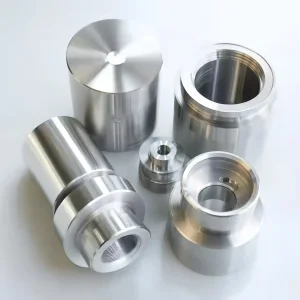
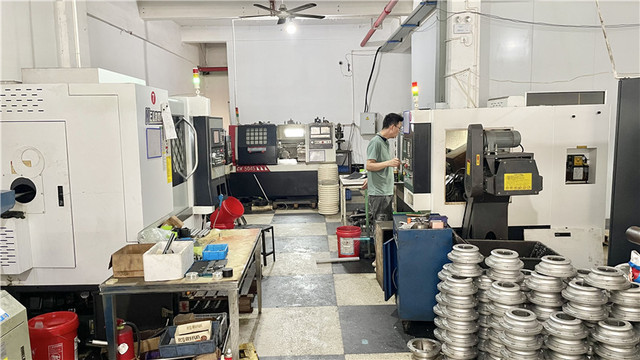
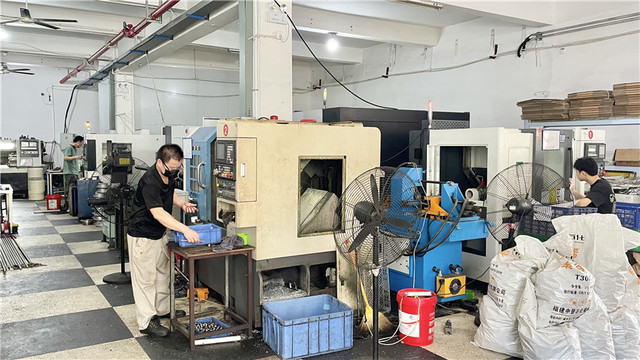
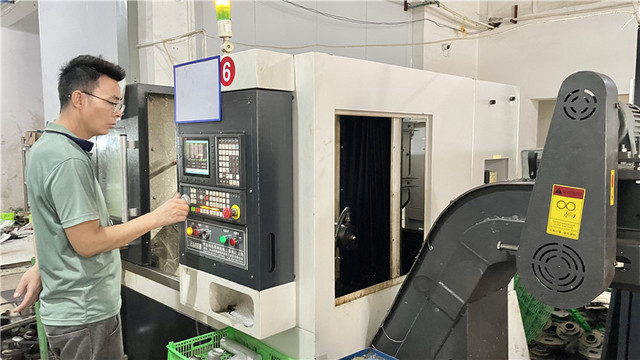
Dongguan MecMill Precision Co., Ltd. is a professional CNC machining manufacturer specializing in precision turning, milling, drilling, and custom machining services for global industries. As a reliable OEM supplier, the company is committed to delivering high-quality, tight-tolerance components that meet the demanding requirements of sectors such as automotive, aerospace, electronics, machinery, and industrial equipment.
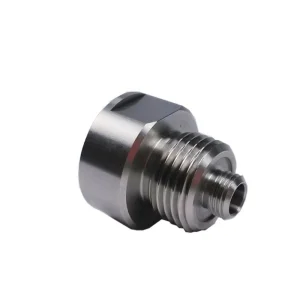
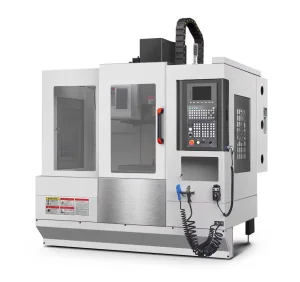
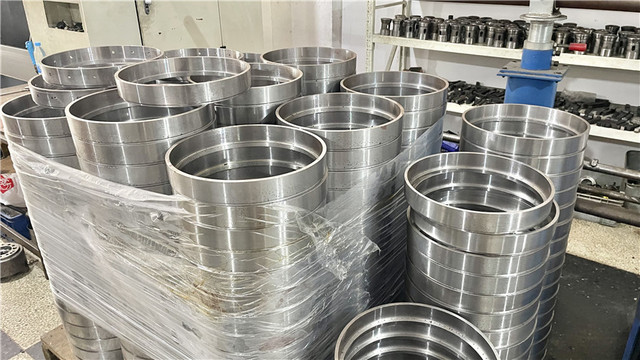
MecMill Precision offers a comprehensive range of CNC machining capabilities, including 3-axis and 5-axis machining, precision turning, complex milling, drilling, tapping, and surface finishing. The company works with a wide variety of materials, including aluminum, stainless steel, carbon steel, brass, and engineering plastics, ensuring flexibility for different application needs.
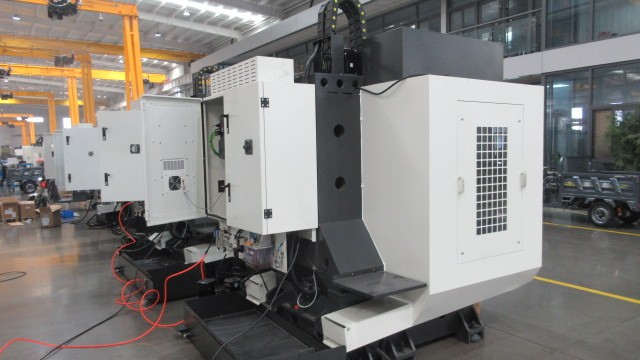
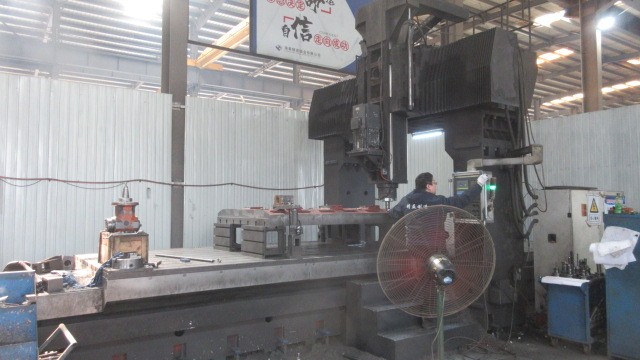
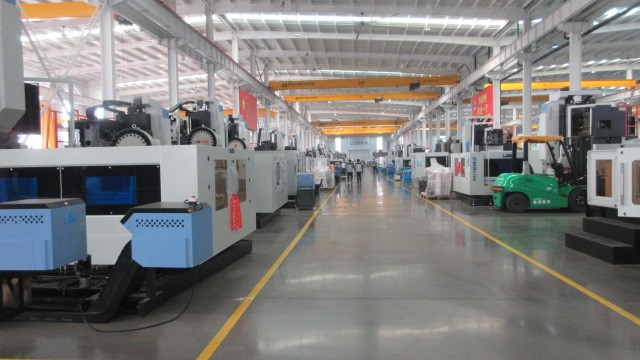
Equipped with advanced CNC machines, skilled technicians, and strict quality control systems, Dongguan MecMill Precision Co., Ltd. maintains consistent production accuracy and efficiency. Each part undergoes rigorous inspection to ensure dimensional precision, durability, and compliance with international standards.
In addition to standard machining services, MecMill provides OEM and ODM solutions, supporting customized designs, prototyping, small-batch production, and large-scale manufacturing. With a strong focus on quality, reliability, and customer satisfaction, the company continues to serve as a trusted partner for clients seeking professional CNC machining and precision manufacturing solutions worldwide.

Procuring aerospace components via external CNC machine factories involves navigating a complex web of requirements. Unlike standard commercial manufacturing, aerospace buyers must optimize for multiple vectors simultaneously: risk mitigation, compliance, lead time, and cost. Over the last decade, regional supply chain interruptions have made procurement managers shift focus from "just-in-time" low-cost options to high-resilience partners that can guarantee technical accuracy and speed.
The primary drivers in modern aerospace sourcing include:
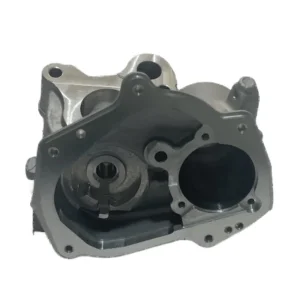
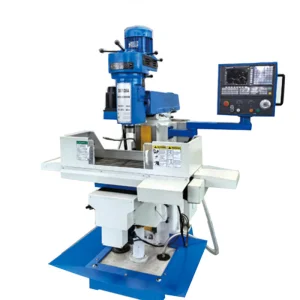
To meet the performance requirements of defense, commercial aviation, and space startups, top CNC manufacturers must develop specialized technological solutions. Standard 3-axis CNC systems are no longer sufficient to produce the monolithic designs demanded by modern lightweighting concepts.
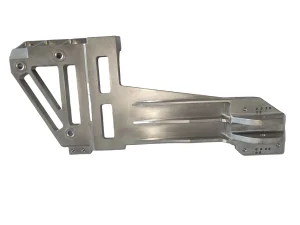
Simultaneous 5-Axis Machining: This method permits cutting tools to access five sides of a part in a single operation. For complex turbine impellers, engine casings, and structural wing ribs, 5-axis machining reduces setup times, prevents tool deflection, and provides superior surface finishes. By maintaining a constant chip load and cutting angle, manufacturers can produce thin-walled sections with less stress distortion.
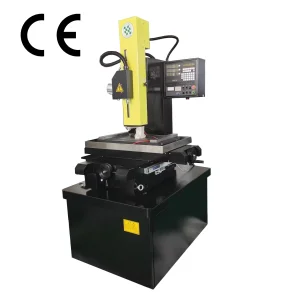
Advanced EDM (Electrical Discharge Machining): For super-hard alloys and components featuring internal channels (such as cooling vents in turbine blades), wire and sinker EDM systems are critical. Using controlled electric sparks to shape metal, this process bypasses the force limits of physical cutting tools, allowing for tight-radius corners and micro-hole geometries.
Anodizing and Chemical Passivation: Environmental degradation is a significant issue at high altitudes and during space flight. Anodizing (Type II and Type III Hardcoat) creates a protective aluminum oxide layer on lightweight frames. For stainless steel parts, passivation removes free iron from the surface to prevent rust and oxidation.
As the aerospace sector integrates hybrid manufacturing processes, the technical roadmap for leading CNC machine shops is changing. To maintain market share, top-tier suppliers are adopting several key technologies:
Hybrid Additive-Subtractive Manufacturing: The combination of Directed Energy Deposition (DED) 3D printing and precision multi-axis CNC finishing allows shops to build near-net shapes and machine functional interfaces afterward. This approach can reduce the Buy-to-Fly ratio (the weight ratio of raw material to the finished part) from 15:1 down to 2:1, significantly lowering raw material costs for expensive superalloys.
AI-Driven Optimization & Digital Twins: Artificial intelligence is moving into the machine shop. CNC programmers now use machine-learning algorithms to simulate cutting tool paths, predict heat zones, and prevent tool collisions. Digital twins of CNC centers analyze real-time vibration and temperature data to adjust feed rates dynamically, reducing scrap and preventing tool wear.
Closed-Loop Metrology: In-process probing enables real-time verification of parts while they remain on the machine spindle. This minimizes errors by allowing for adjustments before the part is un-clamped, ensuring consistent quality in large production runs.
The global distribution of CNC aerospace manufacturing reveals distinct regional strengths:
 MecMill Precision