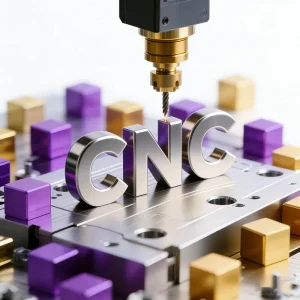
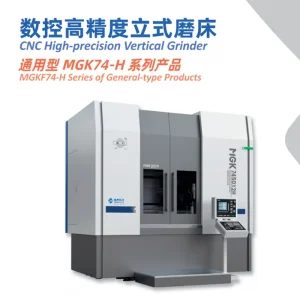
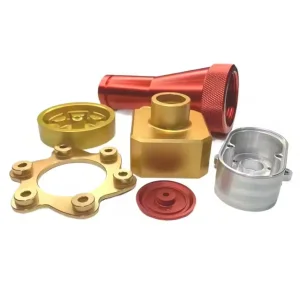
The global CNC optical machining market is undergoing a paradigm shift. With the rise of autonomous vehicles (LiDAR), 5G/6G satellite communications, and robotic-assisted surgeries, the demand for sub-micron precision components has skyrocketed. CNC optical machining, unlike traditional mechanical processing, requires an intersection of material science, thermodynamics, and ultra-high-speed spindle technology.
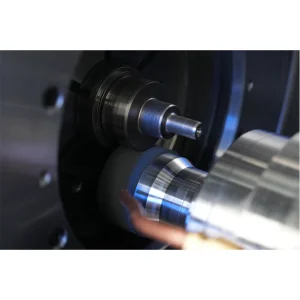
When we refer to Optical Machining within the CNC framework, we are discussing the ability to create finishes that are "optically clear" or have surface roughness (Ra) values below 0.1μm. This level of expertise is what separates standard machine shops from the Top 10 Global Suppliers. Components like aspheric lenses, laser cavities, and semiconductor wafer chucks require non-traditional tool paths and vibration-dampened environments.
Dongguan MecMill Precision Co., Ltd. stands at the forefront of this industrial evolution. As a professional CNC machining manufacturer specializing in precision turning, milling, drilling, and custom machining services, MecMill has built a reputation for solving "impossible" engineering challenges.
Located in the heart of China’s manufacturing hub, the company leverages an integrated supply chain to offer OEM and ODM solutions that outperform Western counterparts in both lead time and cost-efficiency without compromising on the E-E-A-T principles of reliability and expertise.
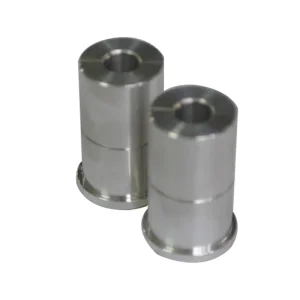
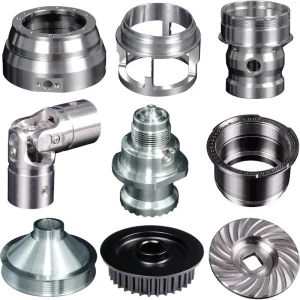
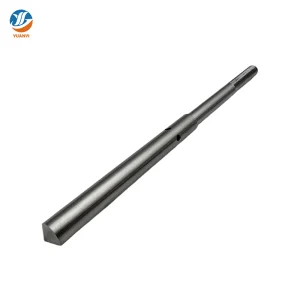
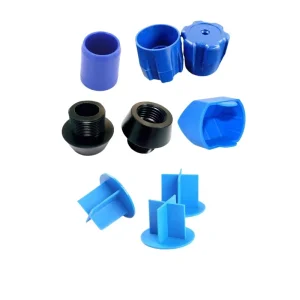
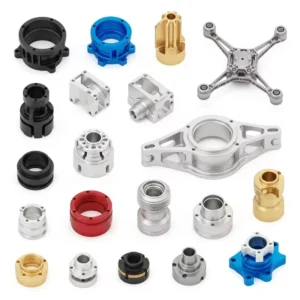
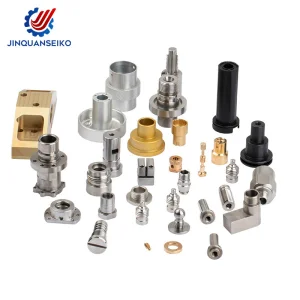
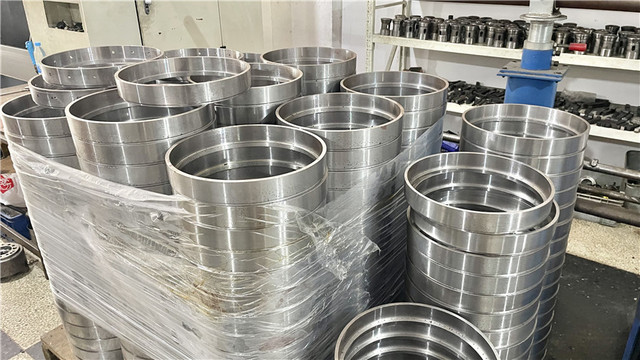
MecMill Precision offers a comprehensive range of CNC machining capabilities, including 3-axis and 5-axis machining, precision turning, complex milling, drilling, tapping, and surface finishing. The company works with a wide variety of materials, including aluminum, stainless steel, carbon steel, brass, and engineering plastics, ensuring flexibility for different application needs.
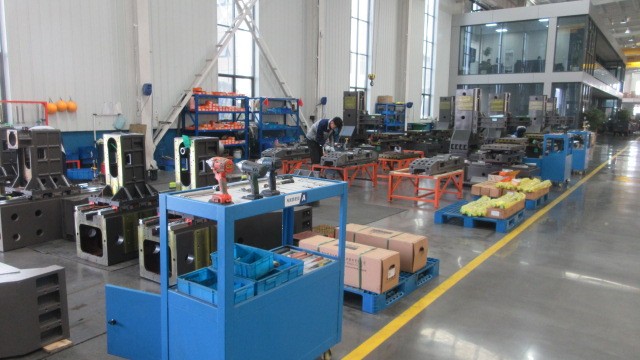
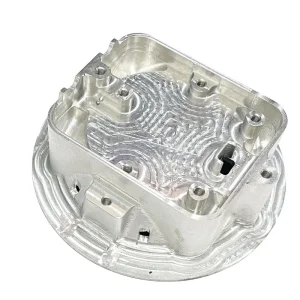
Handling complex geometries for aerospace turbines and medical implants in a single setup for maximum concentricity.
Specialized handling of Kovar, Inconel, Titanium, and Optical Grade Aluminum (6061-T6).
Equipped with CMM (Coordinate Measuring Machines) and laser interferometers to verify sub-micron accuracy.
Why do global giants like Apple, Tesla, and Siemens look to China for optical-grade CNC parts? The answer lies in the Efficiency-to-Precision Ratio.
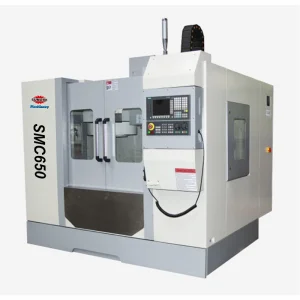
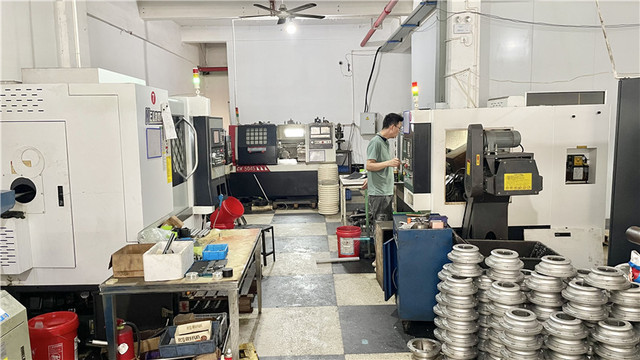
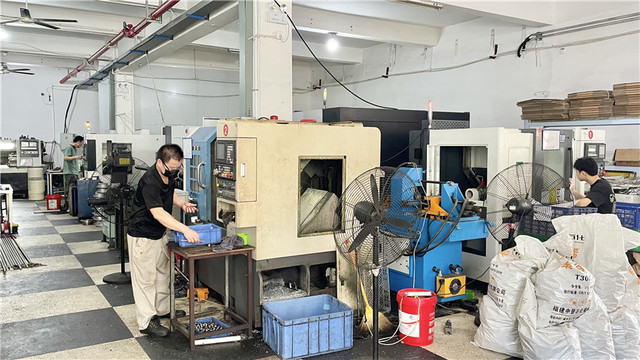
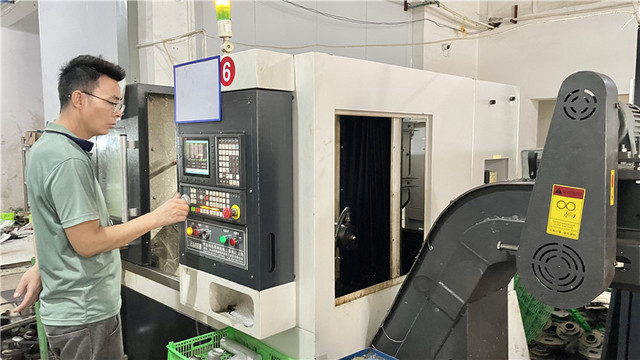
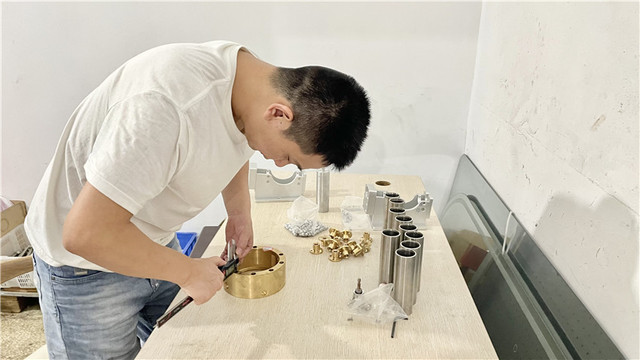
Equipped with advanced CNC machines, skilled technicians, and strict quality control systems, Dongguan MecMill Precision Co., Ltd. maintains consistent production accuracy and efficiency. Each part undergoes rigorous inspection to ensure dimensional precision, durability, and compliance with international standards.
Artificial Intelligence is no longer a buzzword in CNC. Modern controllers use AI to predict tool wear and adjust feed rates in real-time to prevent micro-cracks in optical materials.
As satellites become smaller (CubeSats), the internal optical components must shrink. This requires Swiss-type precision lathes that can handle parts smaller than a grain of rice.
Green manufacturing is now a procurement requirement. Using MQL (Minimum Quantity Lubrication) and recyclable aluminum alloys is becoming the standard for top-tier suppliers.
A: Typically, prototyping takes 3-7 days. Production runs vary by complexity, but most top-tier Chinese factories offer a 2-3 week lead time for batches up to 5,000 units.
A: We utilize diamond-tipped tooling and ultra-stable VMC series machines. Measurements are conducted using profilometers to ensure Ra values meet the specified micrometers.
A: Yes. MecMill provides OEM and ODM solutions, supporting customized designs, prototyping, small-batch production, and large-scale manufacturing with equal focus on quality.
A: Stainless Steel 316L and specific Aluminum alloys are common. For extreme environments, we suggest Titanium or Invar due to their low coefficient of thermal expansion.
 MecMill Precision