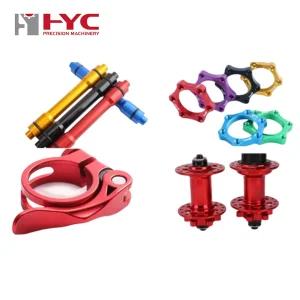
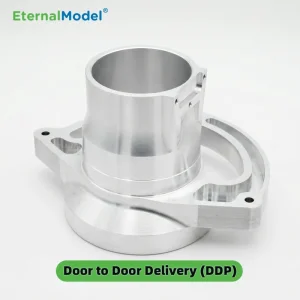
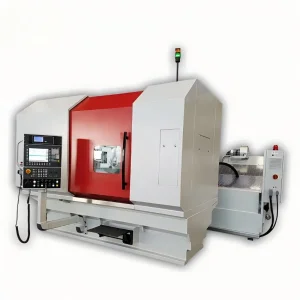
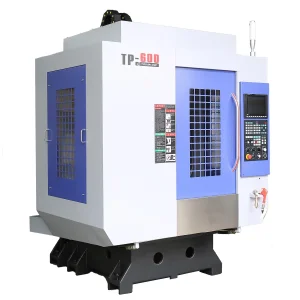
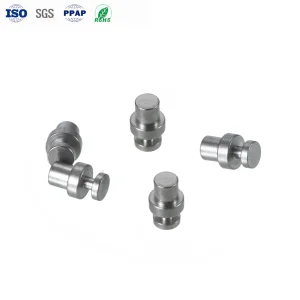
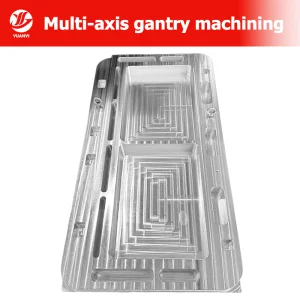
Explore our premium range of industrial products manufactured using state-of-the-art multi-axis CNC milling, turning, and grinding machinery.
The global automotive manufacturing industry is undergoing a structural transition. The shift toward Electric Vehicles (EVs), advanced driver-assistance systems (ADAS), and stricter emissions frameworks has created unprecedented demands on engineering precision. Original Equipment Manufacturers (OEMs) and Tier-1 suppliers no longer just require generic parts; they need ultra-tight tolerance, highly optimized structural components that contribute to overall system efficiency, lightweighting, and long-term operating durability.
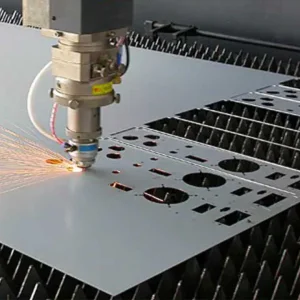
Within this industrial environment, Computer Numerical Control (CNC) machining remains the primary manufacturing methodology. While subtractive manufacturing may seem traditional, today’s multi-axis CNC setups leverage computational toolpathing, custom feed-rate adjustment software, and advanced metallurgy to fabricate complex geometries that were once deemed impossible. By processing raw billets of grade-verified metals directly, CNC components skip the porosity issues of traditional casting and the tooling delays of molding, making them highly effective for both rapid prototyping and critical production runs.
SEO Information Gain: Unlike standardized manufacturing runs, advanced automotive engineering relies heavily on material microstructures. We verify structural density via non-destructive ultrasonic testing prior to milling, ensuring zero internal micro-fissures in parts that undergo high rotational or tensile stresses.
Industrial demand concentrates heavily on lightweight alloys—principally aluminum variants like 6061-T6, 7075-T6, and high-performance magnesium or titanium. The mechanical properties of these materials, such as high strength-to-weight ratios and excellent thermal dissipation profiles, make them ideal for modern combustion engine manifolds, suspension mounts, and high-voltage battery enclosures. However, managing the thermal deformation of these alloys during high-speed machining requires strict process control, customized coolant applications, and highly calibrated cutting speeds.
Dongguan MecMill Precision Co., Ltd. is a professional CNC machining manufacturer specializing in precision turning, milling, drilling, and custom machining services for global industries. As a reliable OEM supplier, the company is committed to delivering high-quality, tight-tolerance components that meet the demanding requirements of sectors such as automotive, aerospace, electronics, machinery, and industrial equipment.
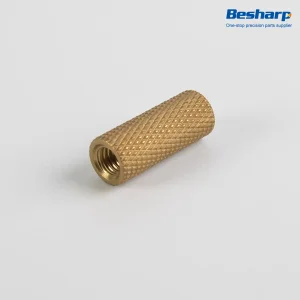
MecMill Precision offers a comprehensive range of CNC machining capabilities, including 3-axis and 5-axis machining, precision turning, complex milling, drilling, tapping, and surface finishing. The company works with a wide variety of materials, including aluminum, stainless steel, carbon steel, brass, and engineering plastics, ensuring flexibility for different application needs. Equipped with advanced CNC machines, skilled technicians, and strict quality control systems, Dongguan MecMill Precision Co., Ltd. maintains consistent production accuracy and efficiency. Each part undergoes rigorous inspection to ensure dimensional precision, durability, and compliance with international standards.
In addition to standard machining services, MecMill provides OEM and ODM solutions, supporting customized designs, prototyping, small-batch production, and large-scale manufacturing. With a strong focus on quality, reliability, and customer satisfaction, the company continues to serve as a trusted partner for clients seeking professional CNC machining and precision manufacturing solutions worldwide.
| Machining Methodology | Achievable Tolerance | Suitable Geometries | Optimal Production Scale |
|---|---|---|---|
| 5-Axis Simultaneous Milling | ±0.005 mm to ±0.01 mm | Complex organic shapes, aerospace impellers, engine manifolds | Low to Medium Volume (Prototyping & Specialty Runs) |
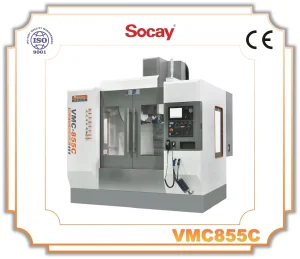
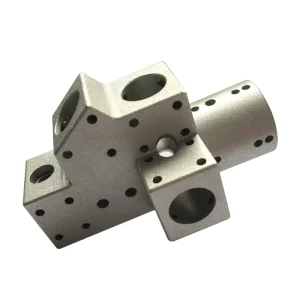
| 3-Axis Vertical Machining (VMC) | ±0.01 mm to ±0.02 mm | Prismatic parts, gearboxes, flat plates, brackets | Medium to High Volume (Consistent standard parts) |
| Swiss-Type Turning & Milling | ±0.003 mm to ±0.008 mm | Long, slim rotational pins, micro-fluidic channels, fittings | High to Ultra-High Volume (Fast-cycle automation) |
| Automated Drilling & Tapping | ISO Metric Thread Compliant | Engine blocks, manifolds, mounting plates with deep holes | Flexible small batches to dedicated large-scale runs |
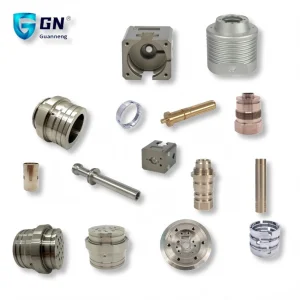
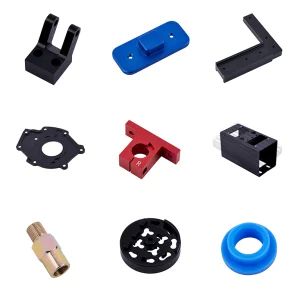
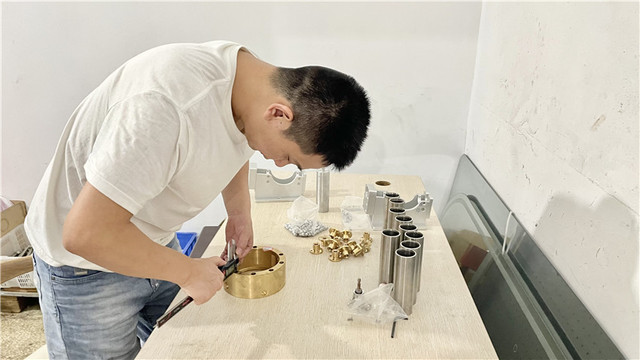
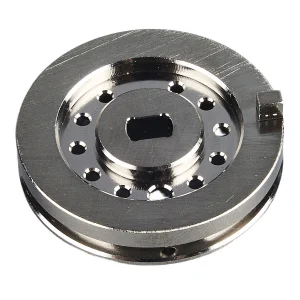
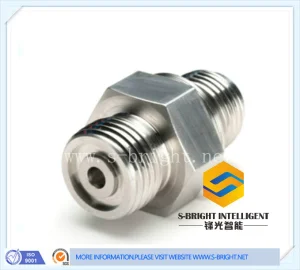
A closer look at our tooling, multi-axis machining floors, structural verification labs, and high-precision finished components.
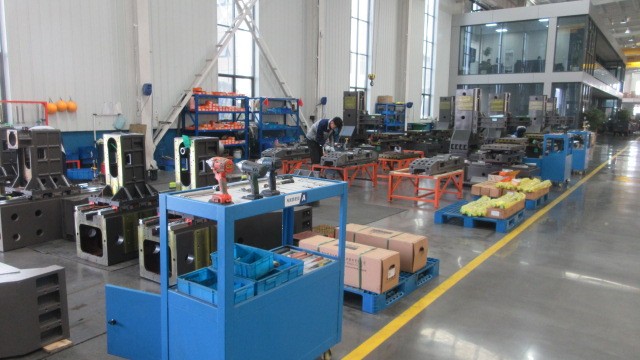
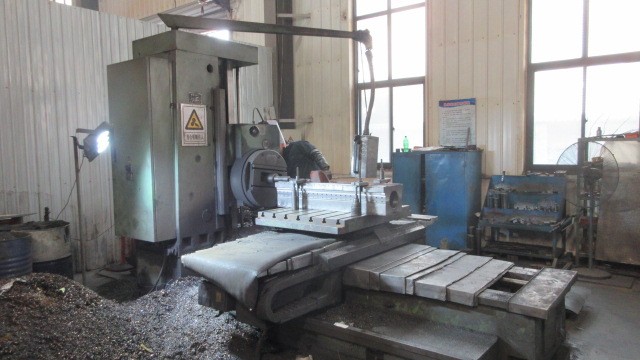
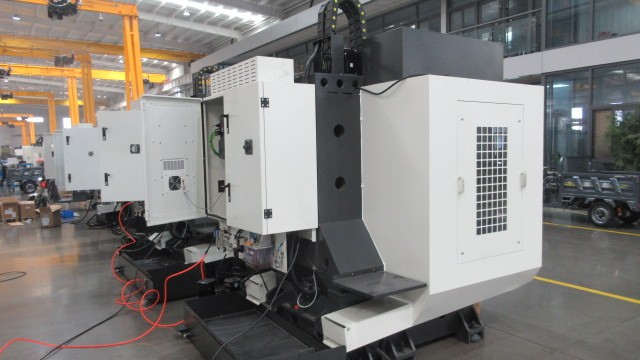
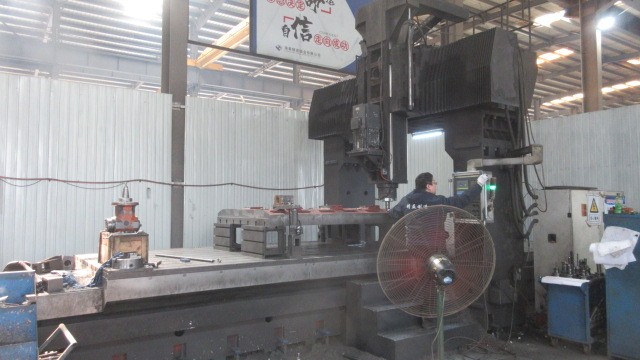
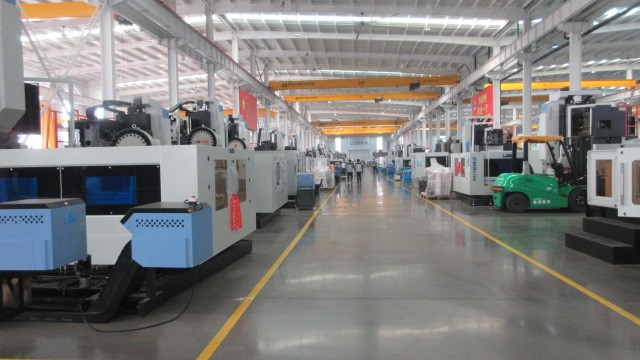
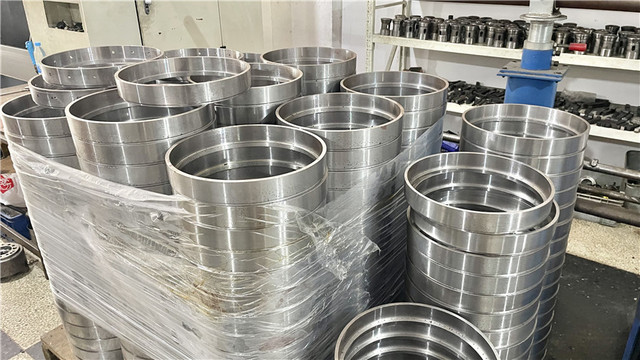
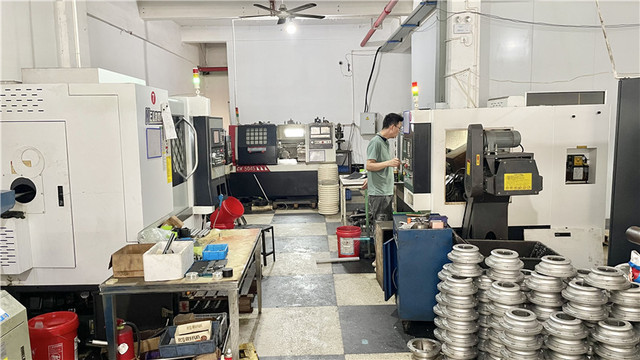
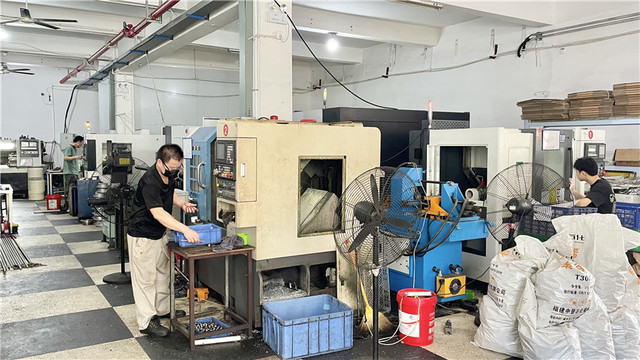
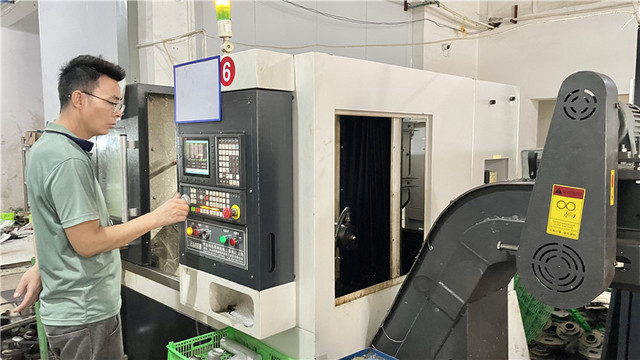
The evolution of CNC automotive parts manufacturing is tied to computerized controls and real-time sensor feedback loop systems. As global emission laws tighten, manufacturers must transition toward ultra-lightweight components and tighter functional fits. To keep pace with these shifts, our engineering department focuses on two primary areas:
Integrating real-time force sensor feedback on the tool spindles allows the machines to modify feed rates instantly. This minimizes structural deflection, improves surface finish, and extends tool life when machining difficult materials like titanium and stainless steel.
Beyond traditional anodizing and zinc plating, we are scaling up processes like micro-arc oxidation (MAO) and diamond-like carbon (DLC) coatings. These physical vapor deposition finishes help extend the life of high-friction components inside modern drivetrains.
Implementing Minimum Quantity Lubrication (MQL) protocols across our vertical machining centers. By spraying precise aerosol lubrication directly onto the cutting edge, we decrease fluid waste by up to 85% and support clean energy goals.
Traditional manufacturing setups require components to move between multiple lathes and milling machines. This increases setup times and introduces alignment errors. Our investment in multi-spindle turn-mill centers allows complex components to be finished in a single setup, improving dimensional accuracy.
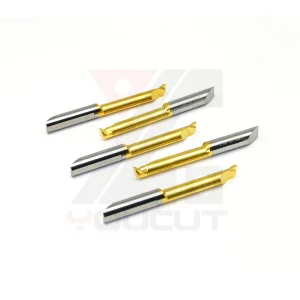
Modern electrical automotive sensor housings require small internal bores with tight tolerances and clear tracking codes. Our micro-boring tools handle dimensions down to D2.0mm, and integrated laser markers apply permanent tracking codes directly on the machine bed.
How Dongguan MecMill supports international manufacturing hubs with customized localized support, materials verification, and dynamic logisitical systems.
For US and Canadian clean energy mobility plants, we supply high-performance aluminum heat sinks and battery tray brackets. These components must withstand high temperatures and provide structural strength under impact load tests.
We work with European motorcycle tuners and parts distributors to supply high-stress structural parts like 5-axis milled linkages and custom engine cover plates. We focus on lightweight structures that reduce un-sprung mass while maintaining structural safety margins.
For industrial automation developers in Japan, South Korea, and Singapore, we provide complex brackets, sensor mounts, and custom tool adapters. Our production systems help minimize dimensional drift across long manufacturing runs.
The strength of our manufacturing operation is tied to our location in Dongguan, the global center for precision hardware. This industrial cluster offers key advantages that benefit our international partners:
At Dongguan MecMill Precision Co., Ltd., quality control is built into every step of our manufacturing workflow rather than being treated as a final check. Our metrology lab is equipped with coordinate measuring machines (CMM), optical comparators, digital height gauges, and threading verification tools to confirm every dimension against customer blueprints.
For automotive structural parts, we verify material density and hardness (Rockwell & Vickers scales) before machining begins. During production, operators perform periodic measurements to monitor tool wear and adjust machine offsets before dimensions drift. This process control approach helps us maintain consistent quality standards across high-volume production runs.
Compliance Standard: All parts are clean-washed to remove residual cutting fluids, trace iron particles, and cutting dust before packaging, ensuring they arrive clean and ready for direct assembly line integration.
Each incoming material batch receives a unique internal code linked to its original steel mill analysis report. This ensures that if a component encounters performance issues, we can trace it back to the chemical composition of the raw bar stock.
Upon request, every export shipment can be supplied with a full dimensional inspection report, material compliance certification, and surface roughness verification scans (Ra value measurements).
Frequently asked questions regarding material options, engineering tolerances, production capacities, and shipping logistics.
Our standard machining tolerance is ±0.01 mm for metal components. Under temperature-controlled conditions on our high-precision milling machines, we can achieve tolerances down to ±0.005 mm for critical functional areas, alignment bores, and bearing seats.
Every incoming batch of raw metal (aluminum 6061/7075, stainless steel 304/316, carbon steel, etc.) must be accompanied by a manufacturer's material test report (MTR). We also perform random verification checks using our spectrometers to confirm the elemental composition matches the specifications before machining begins.
Yes, we offer a range of post-machining surface treatments through our trusted network of localized partners. These include type II/III anodizing, clear/color passivation, black oxide treatments, bead blasting, chemical conversion coatings, electro-polishing, and zinc plating.
We handle both workflows. Our rapid prototyping department utilizes modular fixtures and setups to quickly produce and deliver single-unit or small-batch orders (1-100 parts). For large-scale manufacturing runs, we use dedicated tooling plates, custom fixtures, and automated machining centers to optimize cycle times and maintain consistent quality.
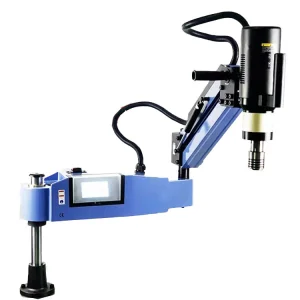
Explore our additional engineering offerings, including high-precision turning parts, industrial tapping machines, and specialized carbide cutting tools.
 MecMill Precision