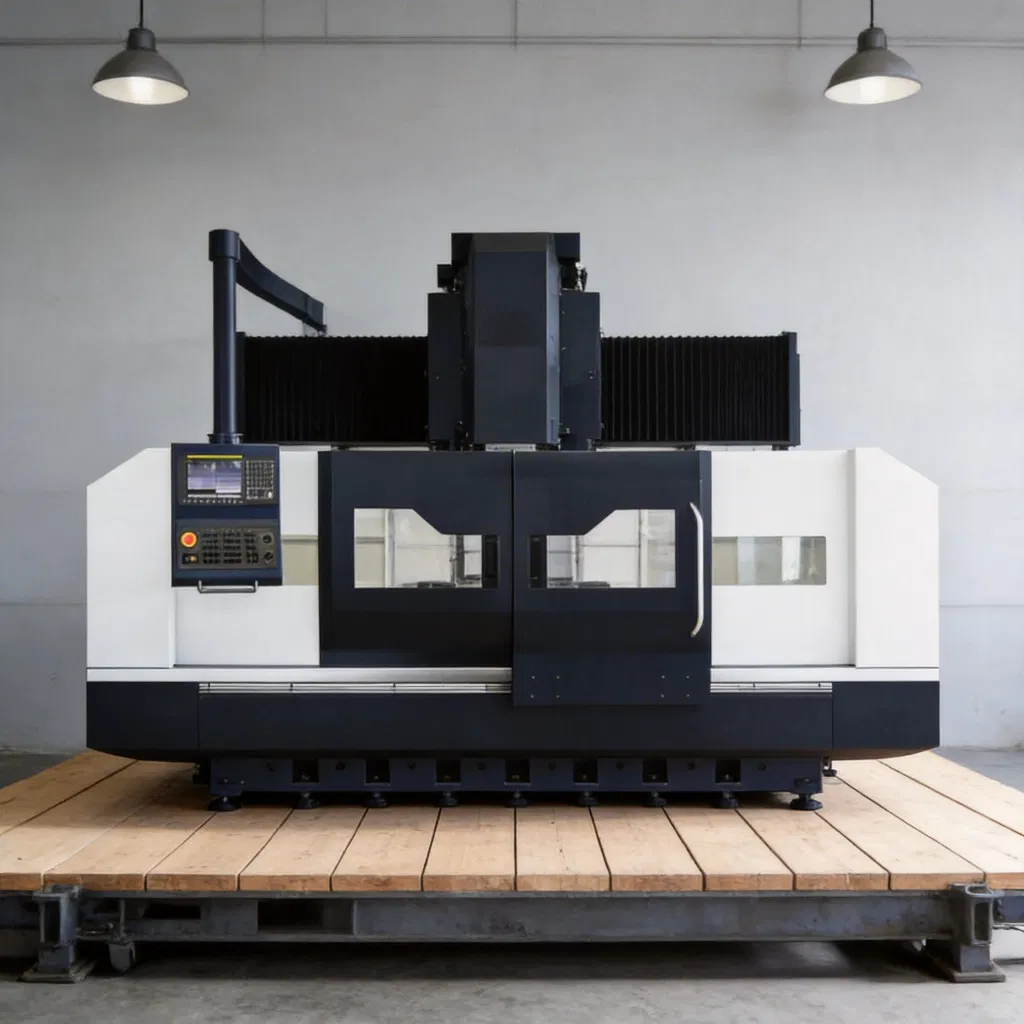
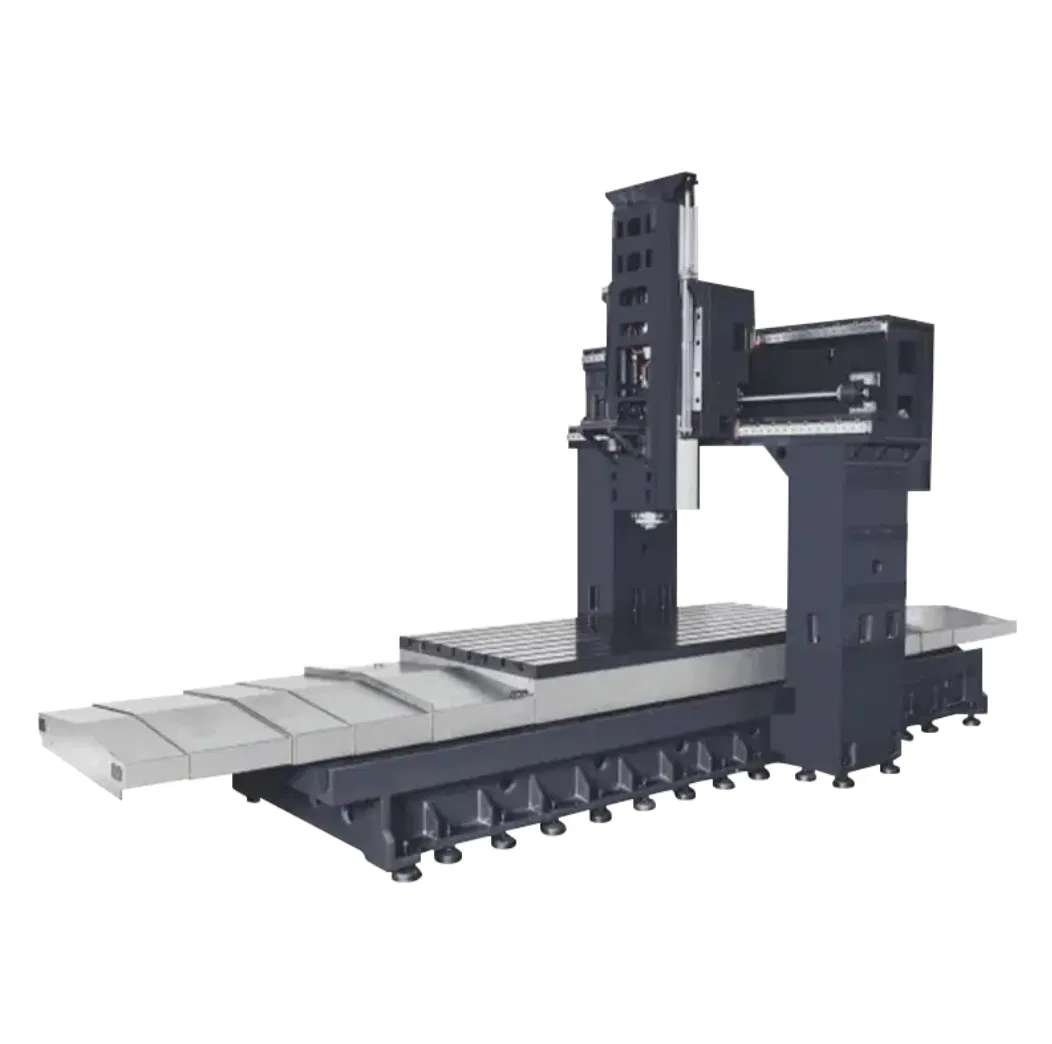
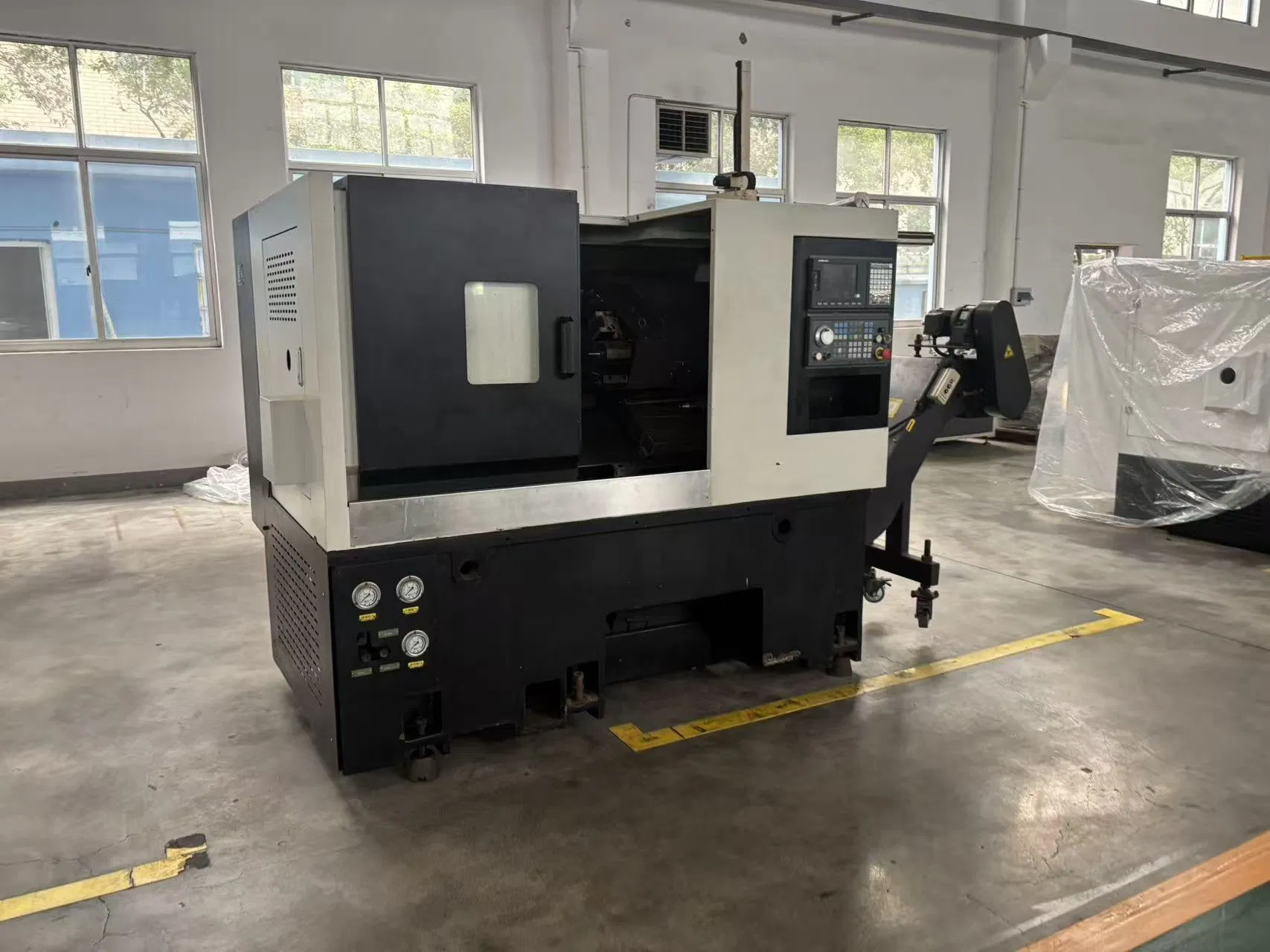
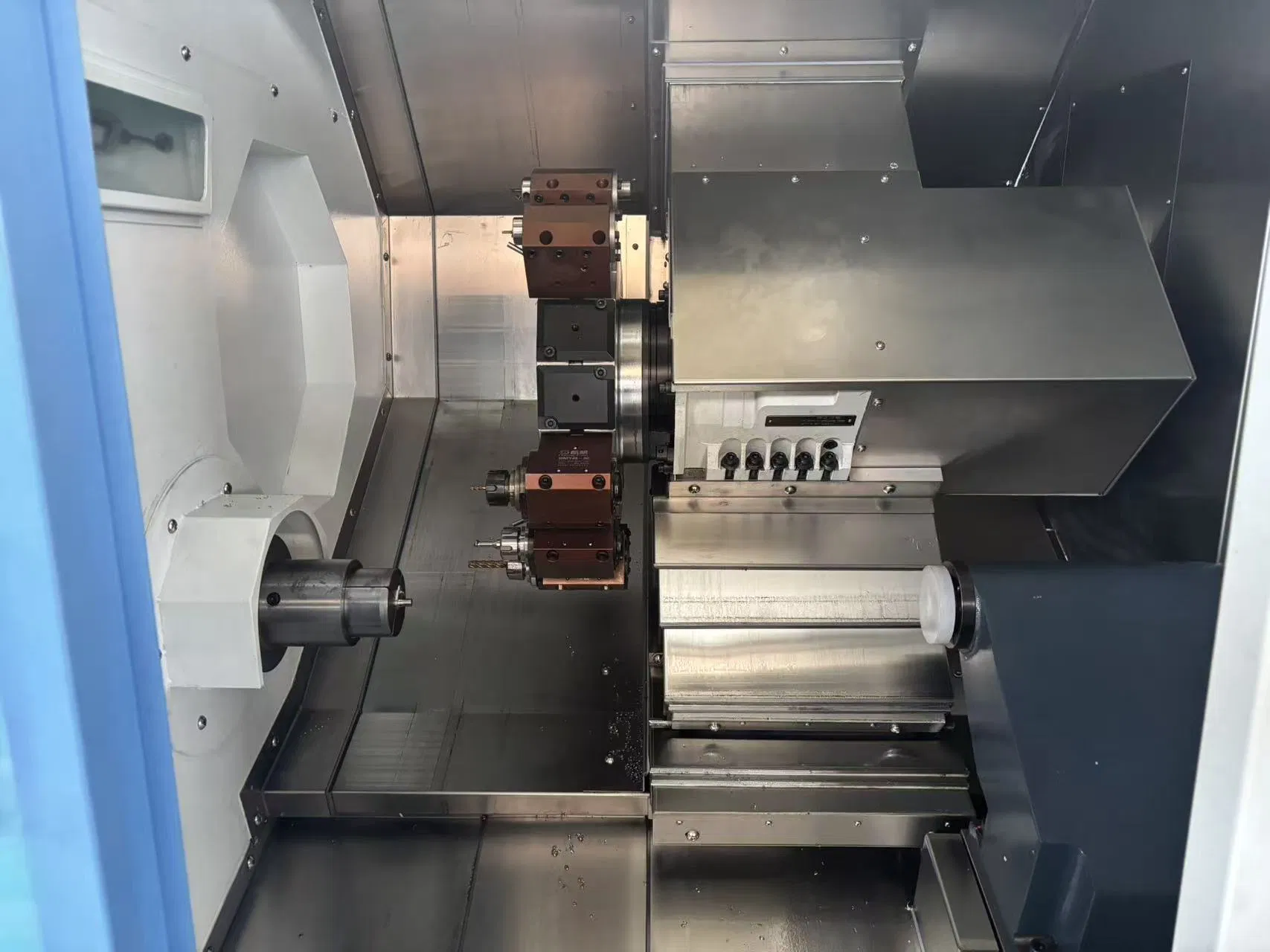
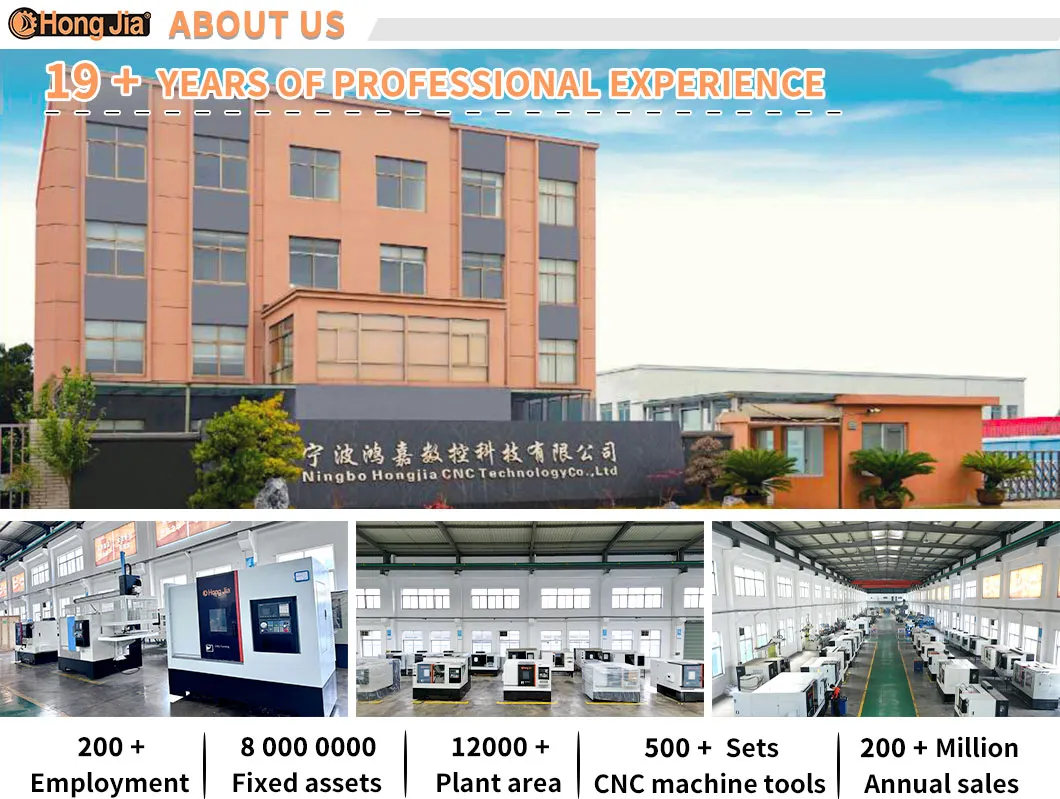
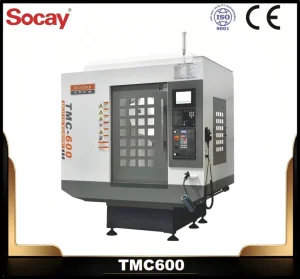
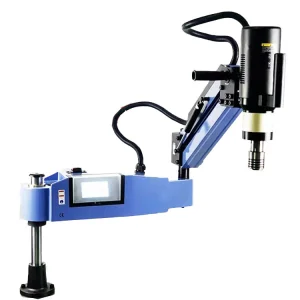
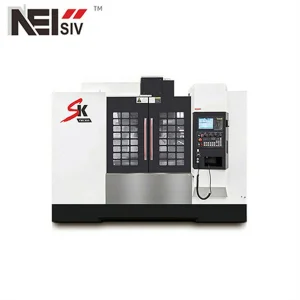
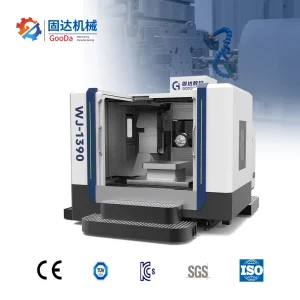
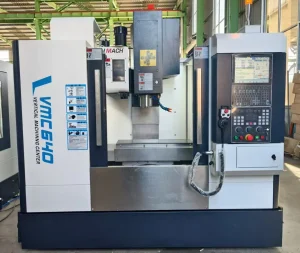
Product Overview
Process Usage
Metal-Cutting CNC Machine Tools, CNC Non-Conventional Machine Tools, Metal-Forming CNC Machine Tools
Movement Method
Point to Point Control
Control Method
Semi-Closed Loop Control
Numerical Control
CNC/MNC
Processing Precision
0.01~0.02(mm)
Performance
High-End CNC Machine Tools
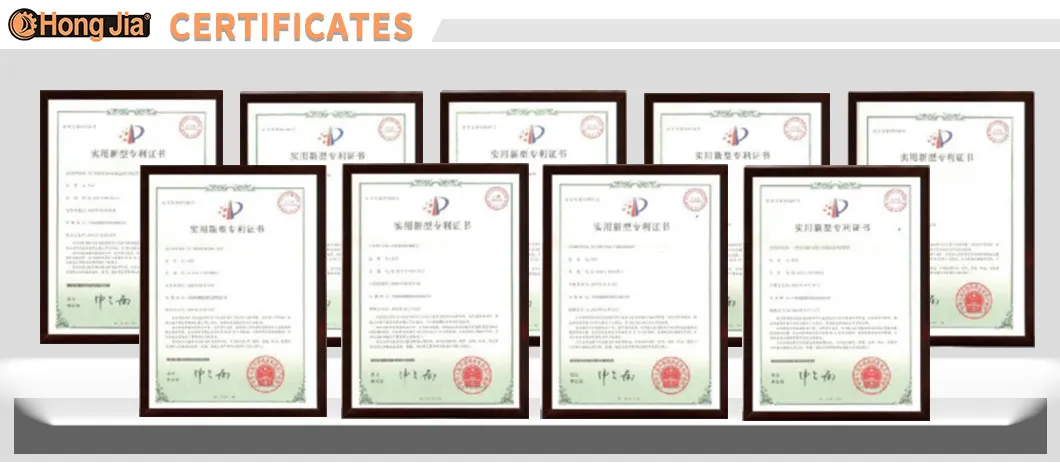
Certification
CE, ISO 9001
Delivery Time
30 Days
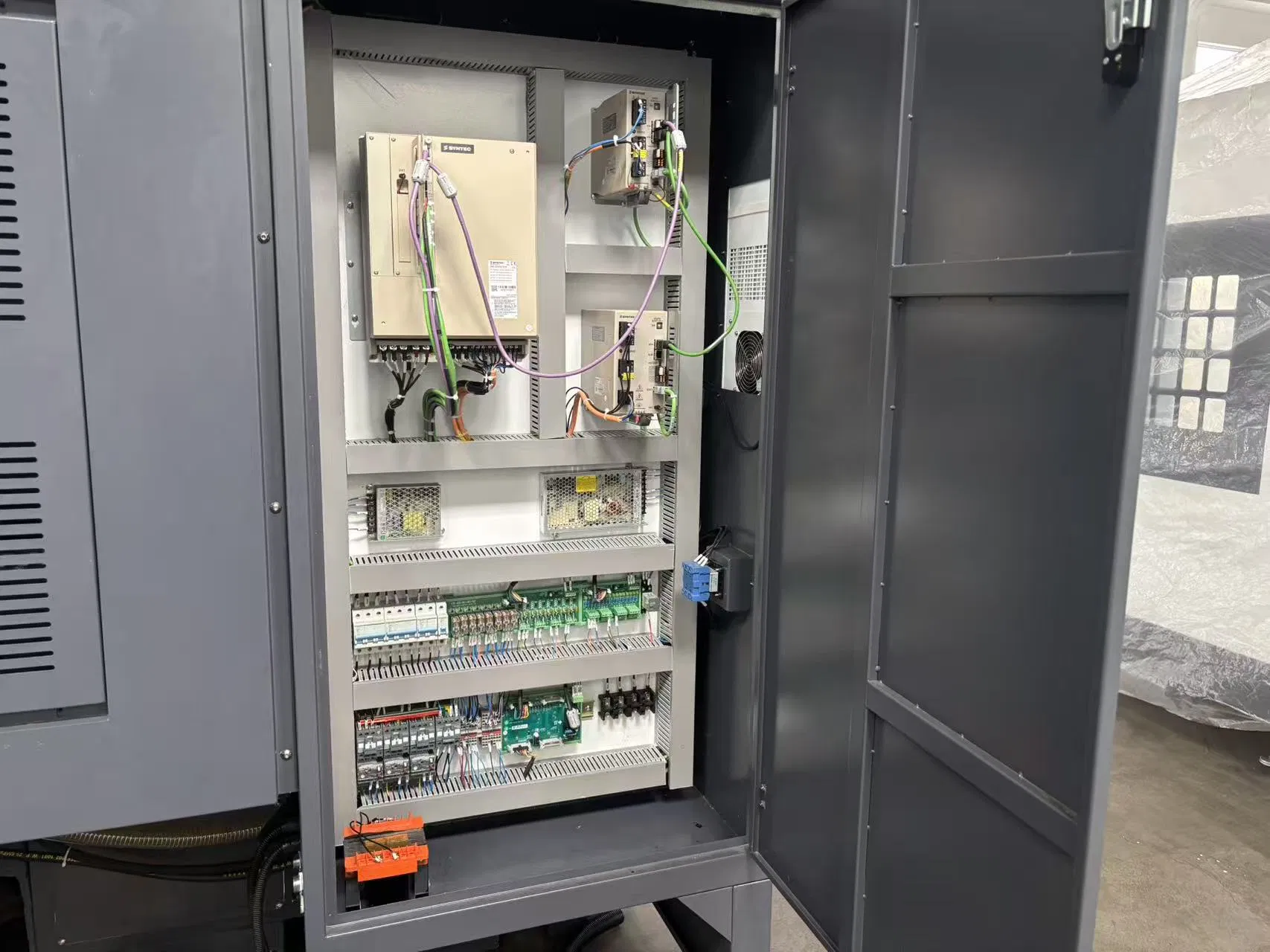
Control System
Taiwan Syntec Control System
Applications
Automotive, Aerospace, and Manufacturing
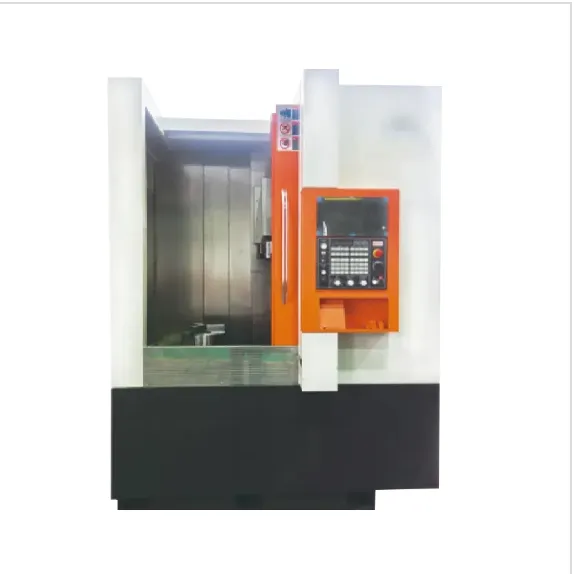
Vertical Lathe Machine
The core of a vertical lathe machine (vertical lathe) is its vertical workpiece arrangement with the spindle pointing vertically upward. It is primarily used for machining large, heavy, and large-diameter rotating parts, addressing the clamping and stability issues encountered with horizontal lathes.
I. Core Product Features
1
Unique structural layout: The worktable (or chuck) is positioned horizontally, the spindle points vertically upward, resulting in a stable "vertical" structure.
2
High load-bearing capacity: The bed and worktable can support heavy workpieces weighing tens or even hundreds of tons without spindle bending.
3
Focused machining range: Ideal for annular, disc-shaped, or barrel-shaped parts with diameters of several meters.
II. Main Functions
- Turning Core Function: External turning, internal boring, facing, taper machining, and thread turning.
- Auxiliary Processing: Equipped with a turret or milling head for drilling, tapping, and milling.
- Clamping and Centering: Large-diameter three-jaw or four-jaw chucks ensure secure clamping.
III. Typical Applications
This equipment is widely used in heavy manufacturing sectors:
• Heavy Machinery: Steam turbine rotors, generator stators, large gears.
• Engineering Machinery: Excavator slewing bearings, crane drums.
• Energy Industry: Hubs and flanges for wind turbines and hydropower equipment.
• Shipbuilding: Marine propellers, shaft flanges, and large engine components.
IV. Core Advantages
★
Stability: Vertical layout aligns the workpiece's center of gravity with the spindle, minimizing vibration.
★
Ease of Operation: Eliminates weight-induced deflection during clamping; easier monitoring for operators.
Frequently Asked Questions
Q1: How can I choose the most suitable machines?
Please share your specifications or product drawings with us. Our technical team will analyze your requirements and recommend the most suitable model for your specific production needs.
Q2: What are your main categories of CNC equipment?
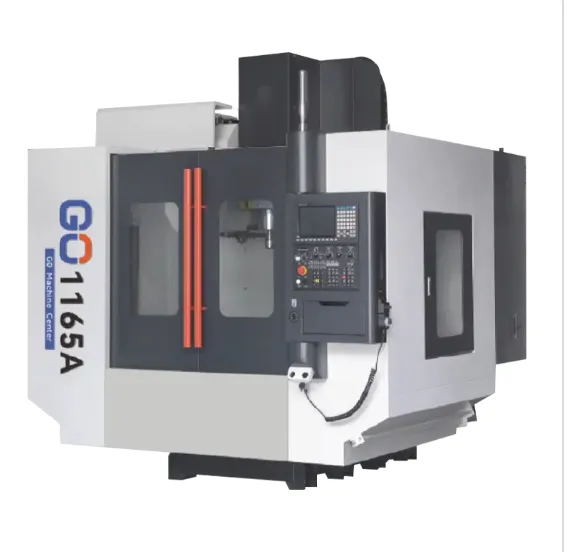
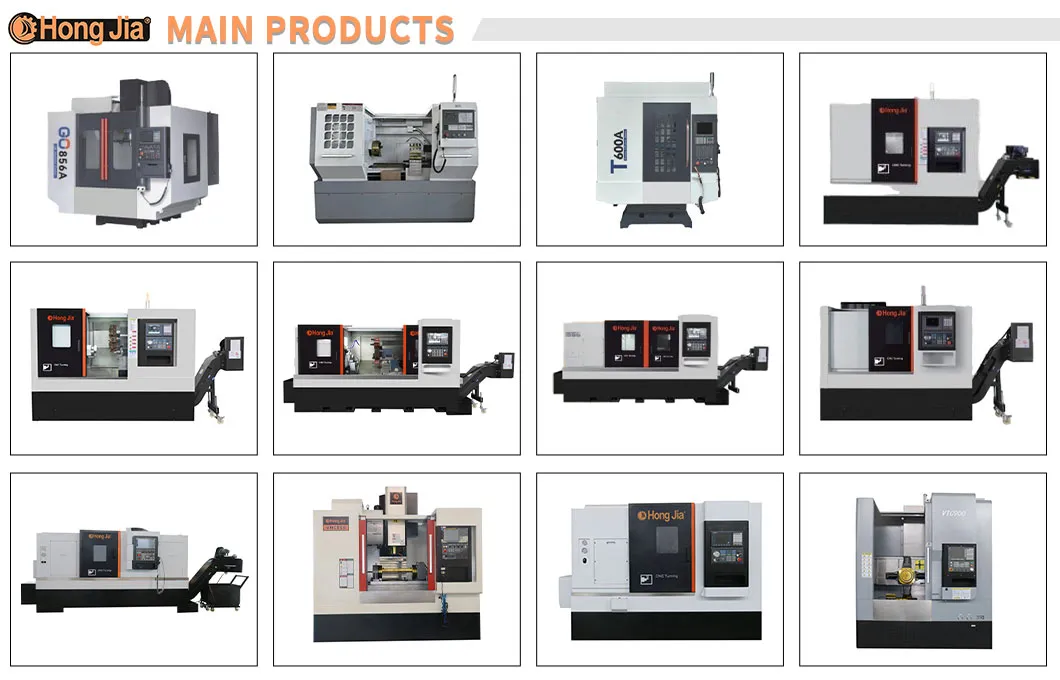
We specialize in a wide range of machinery, including CNC Lathe Machines, CNC Milling Machines, Vertical and Horizontal Machining Centers, and composite turning-milling processing units.
Q3: Why choose a vertical lathe over a horizontal one?
Vertical lathes are superior for large-diameter, heavy workpieces. The vertical arrangement uses gravity to assist in clamping stability, preventing spindle deflection and ensuring higher precision for heavy parts.
Q4: What is the typical lead time for an order?
The standard delivery time is approximately 30 days, depending on the specific machine configuration and customization requirements.
Q5: What control systems do your machines use?
Our machines are typically equipped with high-end control systems such as the Taiwan Syntec system, ensuring stable performance and user-friendly operation.
Q6: Are your machines certified for international markets?
Yes, all our equipment complies with international quality standards and holds CE and ISO 9001 certifications.
 MecMill Precision