Engineered custom components delivering tight dimensional repeatability, complex shapes, and application-optimized metallurgical surfaces.
How digital manufacturing, geometric dimensioning, and specialized sub-sectors reshape supply chain efficiency.
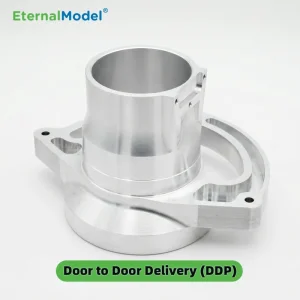
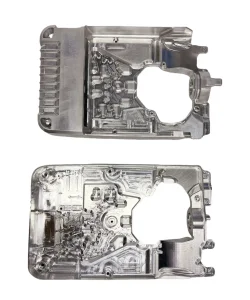
Modern industrial equipment demands parts that go beyond simple geometries. Advanced fluid dynamics, aerodynamic components, and specialized structural frames require multi-axial profile extraction. In standard 3-axis processes, complex contours require multiple setups, creating cumulative dimensional stack-up errors. Transitioning to integrated 5-axis cutting paradigms solves this by resolving structural shapes under one single coordinate origin setup.
China's top CNC factories, specifically inside regional manufacturing epicenters like Dongguan, have completed the transition from low-complexity mass duplication workshops to premium technical hubs. Utilizing sophisticated toolpaths generated through CAM algorithms, these facilities perform custom profiling of high-performance alloys. By mitigating human error and tool deflection, they deliver the structural integrity needed by major global industries.
While regional nearshoring initiatives exist, China's CNC ecosystems remain unmatched in depth. From rapid prototyping services and heat treatments to chemical surface finishes, the integrated chain speeds up iteration loops. Standard procurement strategies involve high capital tooling for complex shapes, but CNC shape cutting bypasses tooling investments. It enables rapid modifications, making it crucial for modern Agile hardware design frameworks.
Additionally, modern logistics options and custom duty brokerage ease international trade friction. Global OEMs can treat top Chinese suppliers as direct manufacturing departments, using API integrations and digital twin files to transition from CAD designs to finished prototypes in days.
Decoupling machinability factors, metallurgical structural characteristics, and optimal surface finishes.
Precision shape cutting requires matching specific materials with correct tool choices and speed dynamics. For instance, milling Aerospace-grade Aluminum 7075-T6 demands high-rpm spindle profiles with chip evacuation control to prevent weldment. In contrast, machining surgical Austenitic Stainless Steels (e.g., 316L) requires high shear forces and thermal control to prevent surface hardening.
| Material Class | Material Grades | Optimal Machining Methods | Standard Surface Treatments | Primary Industrial Use Cases |
|---|---|---|---|---|
| Aluminum Alloys | Al 6061-T6, Al 7075-T6, Al 5052 | High-Speed 5-Axis Milling, Lathe Turning | Anodizing (Type II/III), Bead Blasting | Aerospace structures, automotive parts, housings |
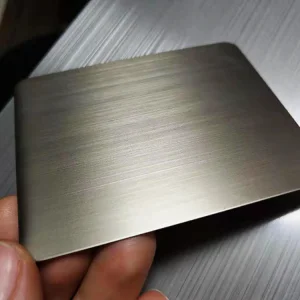
| Stainless Steels | SUS 304, SUS 316L, 17-4 PH | Heavy-Duty Milling, Precision Tapping | Passivation, Electropolishing, Sandblasting | Medical instruments, chemical vessels, marine hardware |
| Carbon / Tool Steels | AISI 1045, 4140, D2, H13 | Rotary Grinding, Carbide End-Mill Profiling | Black Oxide, Nitriding, Carburizing | Industrial machinery axes, structural gears, die inserts |
| Copper / Brass Alloys | C36000 Brass, C10100 Oxygen-Free Copper | High-Precision Micro Milling, Turning | Nickel Plating, Acid Pickling | Electrical connectors, thermal blocks, decorative trims |
| Engineering Plastics | Ultem (PEI), PEEK, UHMWPE, PVC | Dry High-Speed Milling, Cold-Air Drilling | Deburring, Annealing (Stress relief) | Semiconductor guides, medical implants, wear rings |
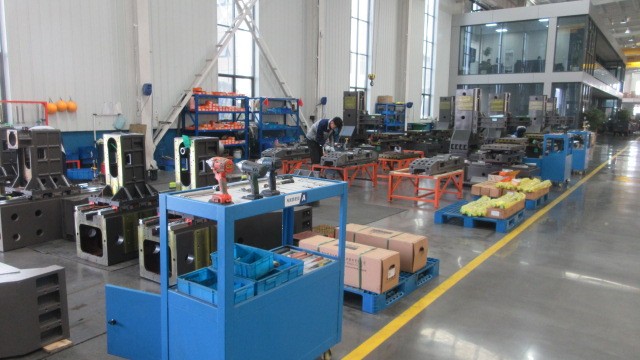
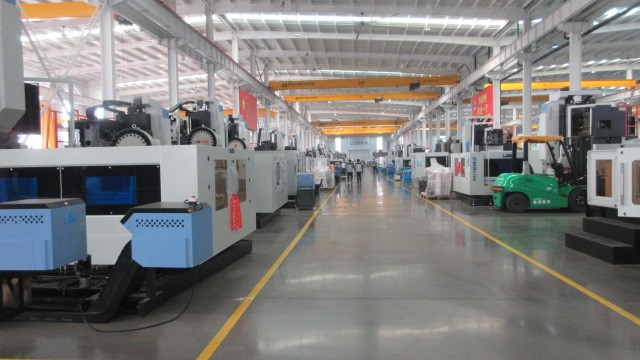
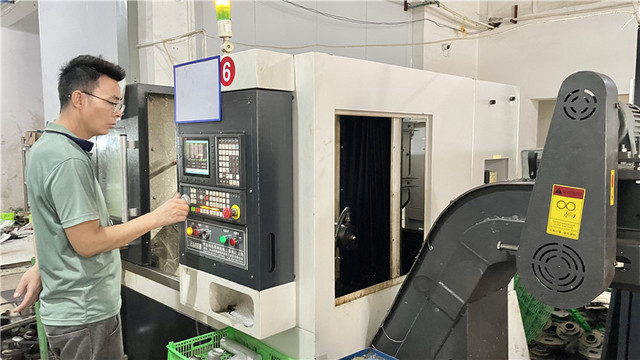
Dongguan MecMill Precision Co., Ltd. is a professional CNC machining manufacturer specializing in precision turning, milling, drilling, and custom machining services for global industries. As a reliable OEM supplier, the company is committed to delivering high-quality, tight-tolerance components that meet the demanding requirements of sectors such as automotive, aerospace, electronics, machinery, and industrial equipment.
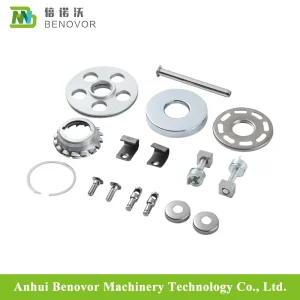
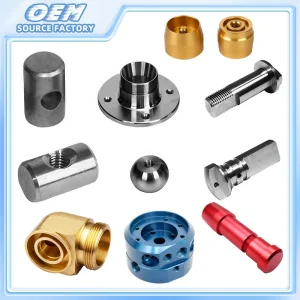
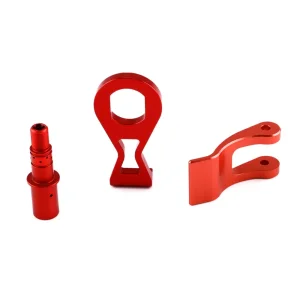
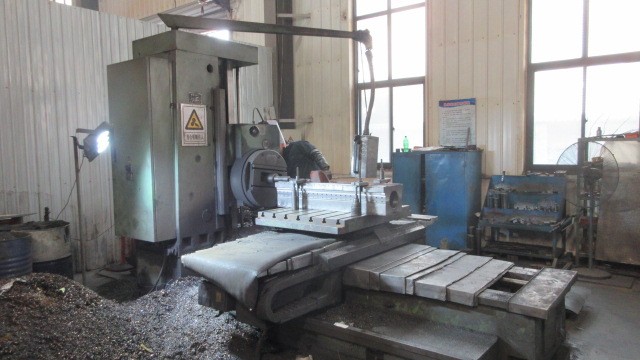
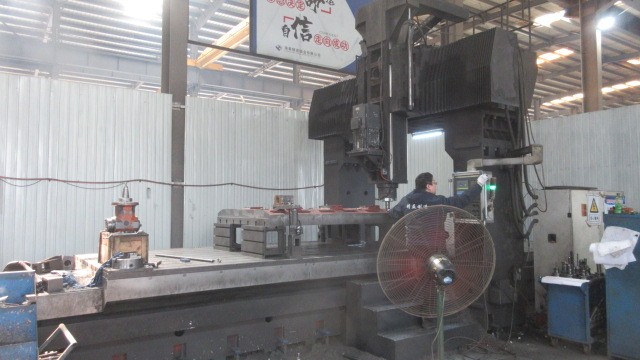
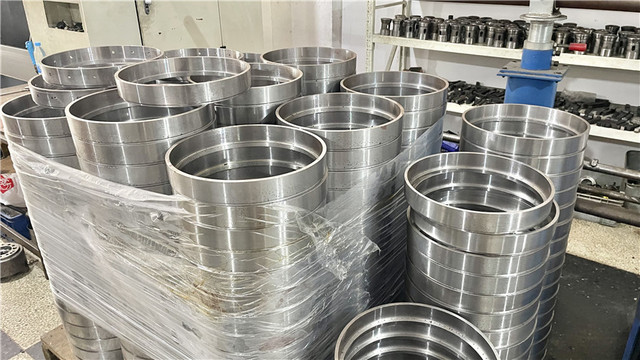
MecMill Precision offers a comprehensive range of CNC machining capabilities, including 3-axis and 5-axis machining, precision turning, complex milling, drilling, tapping, and surface finishing. The company works with a wide variety of materials, including aluminum, stainless steel, carbon steel, brass, and engineering plastics, ensuring flexibility for different application needs.
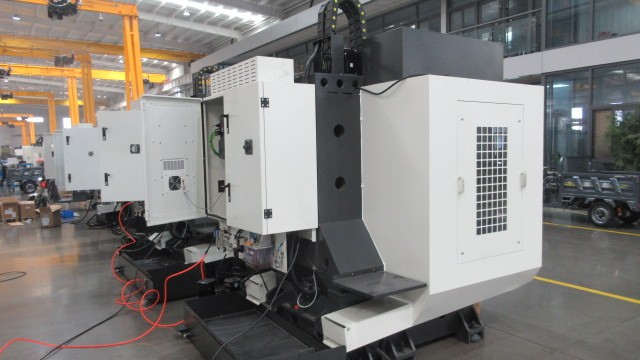
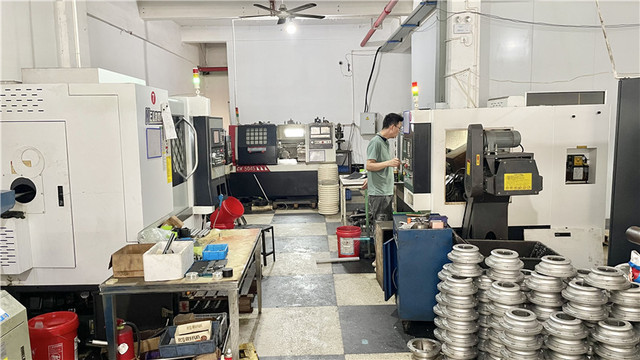
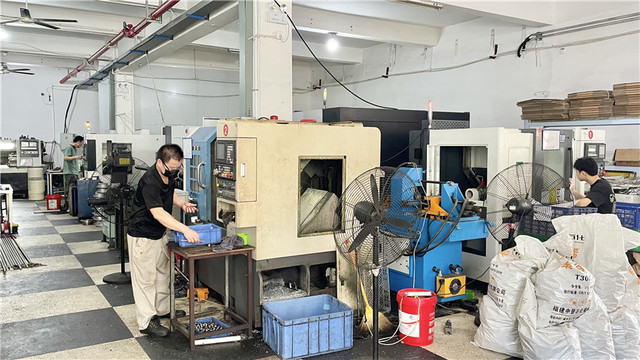
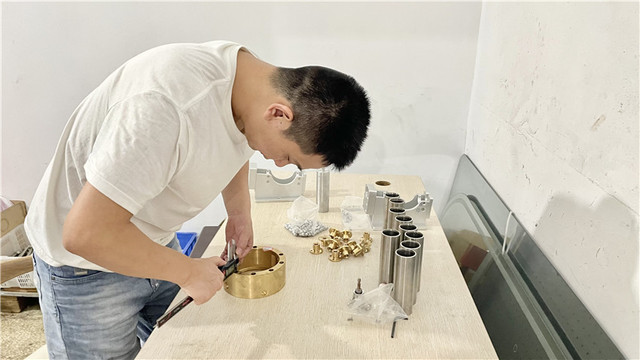
Equipped with advanced CNC machines, skilled technicians, and strict quality control systems, Dongguan MecMill Precision Co., Ltd. maintains consistent production accuracy and efficiency. Each part undergoes rigorous inspection to ensure dimensional precision, durability, and compliance with international standards.
In addition to standard machining services, MecMill provides OEM and ODM solutions, supporting customized designs, prototyping, small-batch production, and large-scale manufacturing. With a strong focus on quality, reliability, and customer satisfaction, the company continues to serve as a trusted partner for clients seeking professional CNC machining and precision manufacturing solutions worldwide.
Solving engineering challenges across five core vertical markets.
Deep ribbing, lightened structural bulkheads, and thin-walled profiles are vital for modern aircraft and drone designs. High-speed multi-axis CNC milling machines remove material bulk while managing residual stresses, preventing raw plates from warping during machining.
Complex geometries are key for high-stress suspension links, differential drive cages, and motor mount brackets. Using robust milling and precise lathe turning setups ensures these parts can withstand dynamic mechanical loads and long-term fatigue.
Components inside wafer chambers must handle strict vacuum conditions. This requires machining engineering plastics like Teflon or PEEK, and metals like Aluminum 6061-T6, to sub-micron finishes. Precision execution ensures parts won't release outgas residues under vacuum cycles.
Medical tools and implants demand biocompatible alloys like Titanium Grade 5 (Ti-6Al-4V) machined to strict tolerances. Micro-milling technology creates complex shapes that match anatomical features, ensuring reliable functionality and patient safety.
Working with offshore suppliers requires robust quality management frameworks to ensure consistency. Top CNC manufacturing centers in China apply rigorous inspection workflows, using Coordinates Measuring Machines (CMM) and optical comparators to confirm dimensions match original design files.
Quality guarantees are backed by trace-verification documentation, including:
Exporting machined components from China involves managing international customs processes. Partnering with top manufacturers ensures your cargo undergoes proper tariff coding (e.g., HS Code 8466 for machine parts) and custom export documentation clearance. This minimizes processing delays, helping keep assembly schedules on track.
Additionally, modern supply chain programs offer various shipping methods. Whether using express air freight for rapid prototyping or consolidated ocean shipping for volume production, logistics pipelines are set up to deliver goods reliably to your receiving dock.
How artificial intelligence, sensor feedback, and green initiatives are transforming machining efficiency.
Traditional CAM programming relies on static cutting speeds, which can lead to tool wear when encountering material hard spots. Modern CNC systems utilize adaptive control algorithms. These systems monitor real-time spindle load and vibration, automatically adjusting feed rates to extend tool life and prevent parts damage during production.
Global environmental mandates are shifting manufacturing toward greener methods. Modern facilities use minimum quantity lubrication (MQL) systems to reduce oil waste. In addition, recycling systems capture, compact, and reuse metal chips and shavings, helping lower carbon footprints across the manufacturing supply chain.
Find direct answers to common questions about CNC tolerances, tooling setups, finishes, and shipping.
High-performance manufacturing solutions built for reliability and demanding industrial applications.
 MecMill Precision