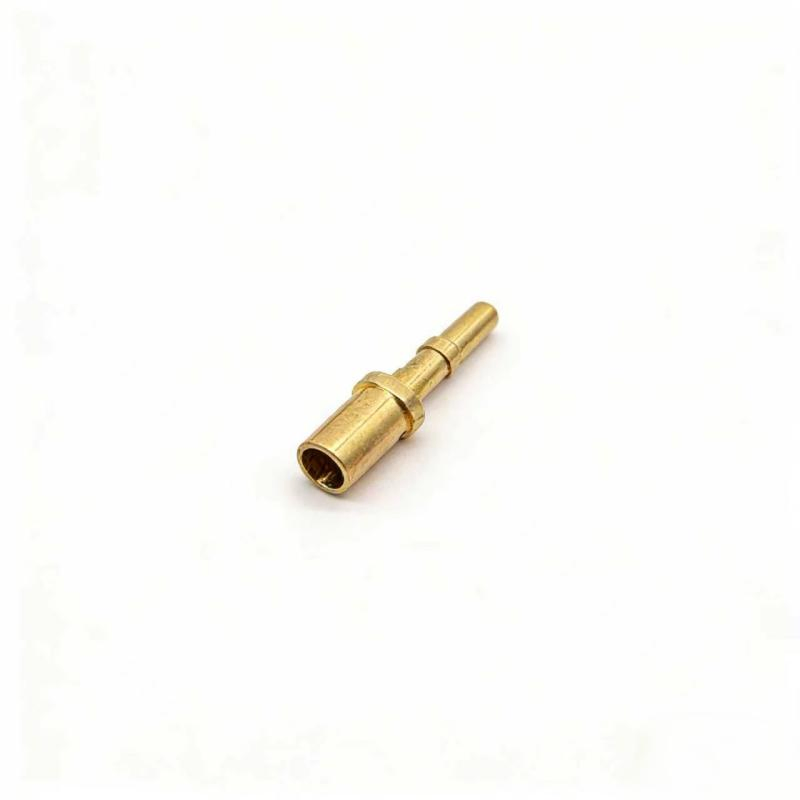
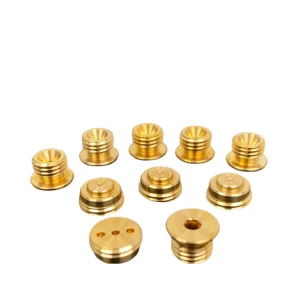
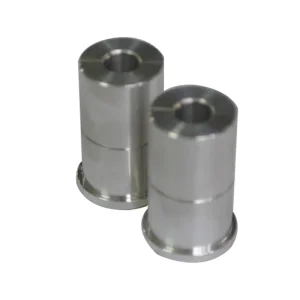
Advanced Cold Cutting and CNC Turning for Metal Micro Components with Optional Polishing, Plating, and Anodizing Treatments.

Still deciding? Get samples of $ !
Request Sample

Product Description

📋 Basic Information
Model NO.
001
Application
Metal
Process Usage
Metal-Cutting CNC Machine Tools
Movement Method
Contour Control
Control Method
Closed-Loop Control
Numerical Control
CNC/MNC
Processing Precision
±0.001mm
Condition
New
Origin
China
Production Capacity
100000 Unit/Week
⚙️ Product Description
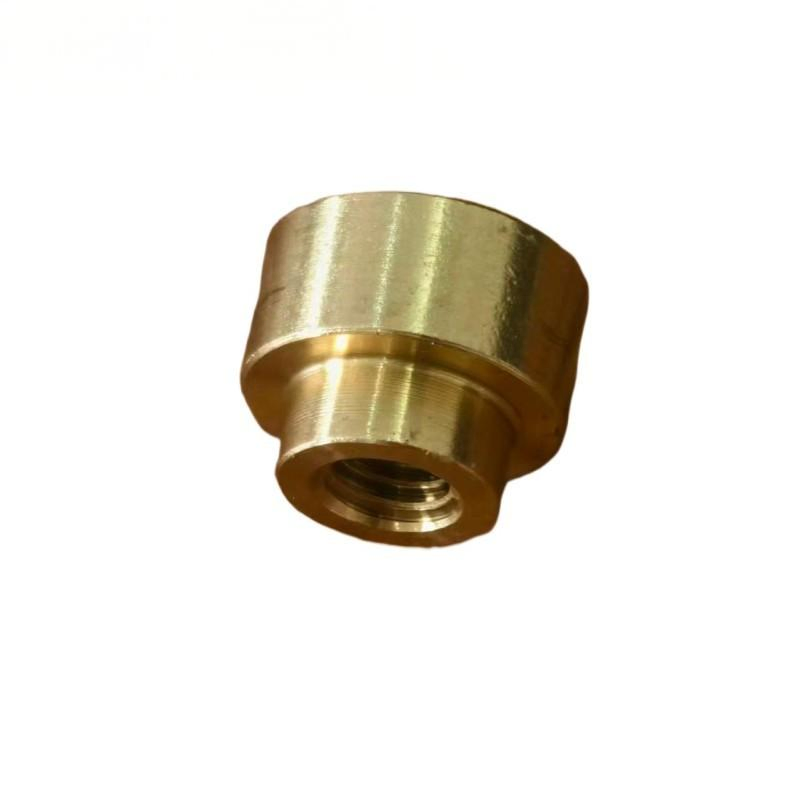
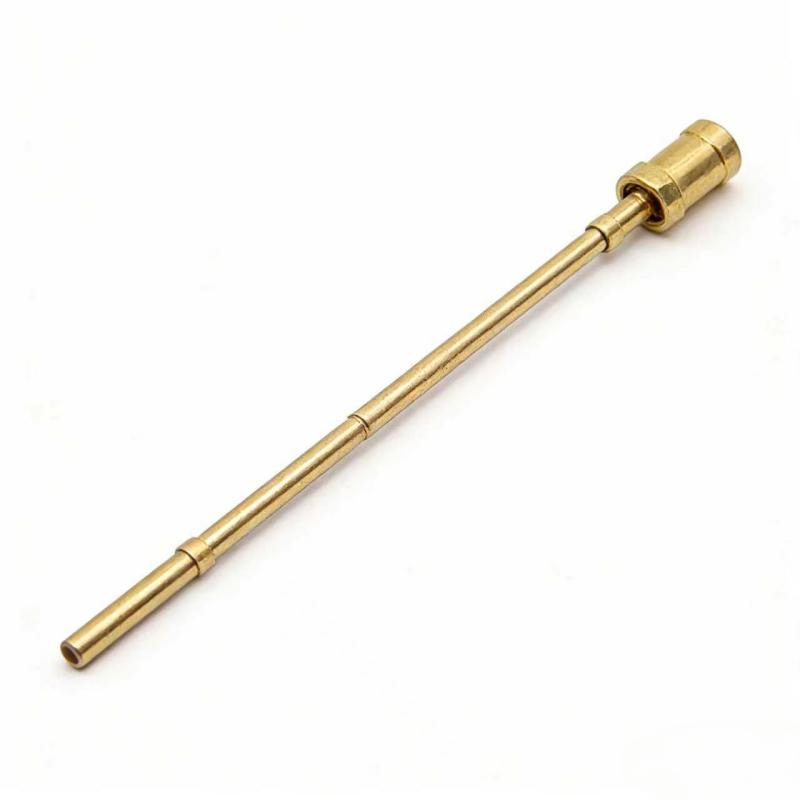
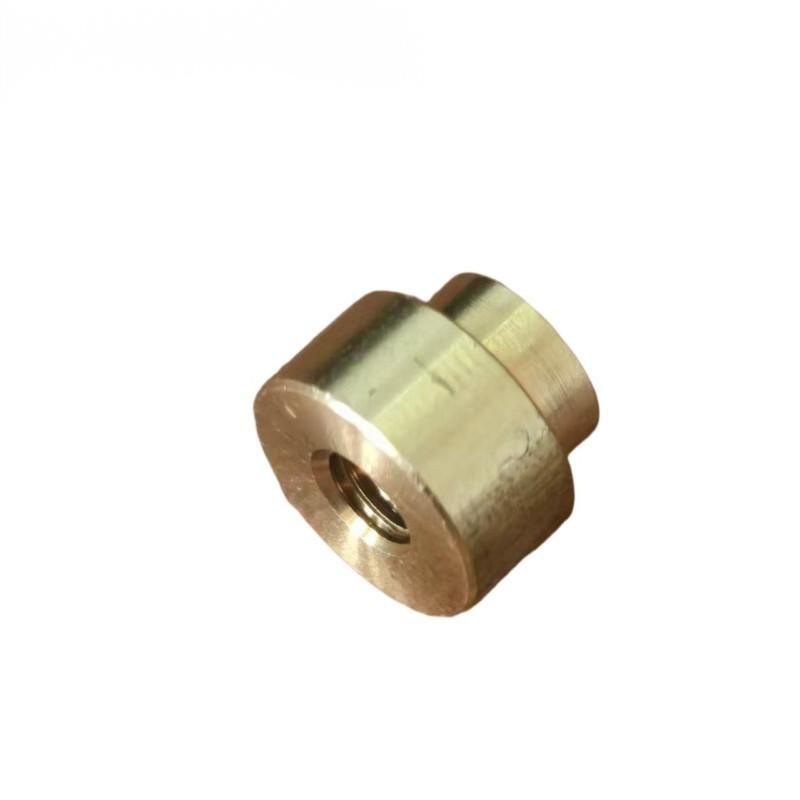
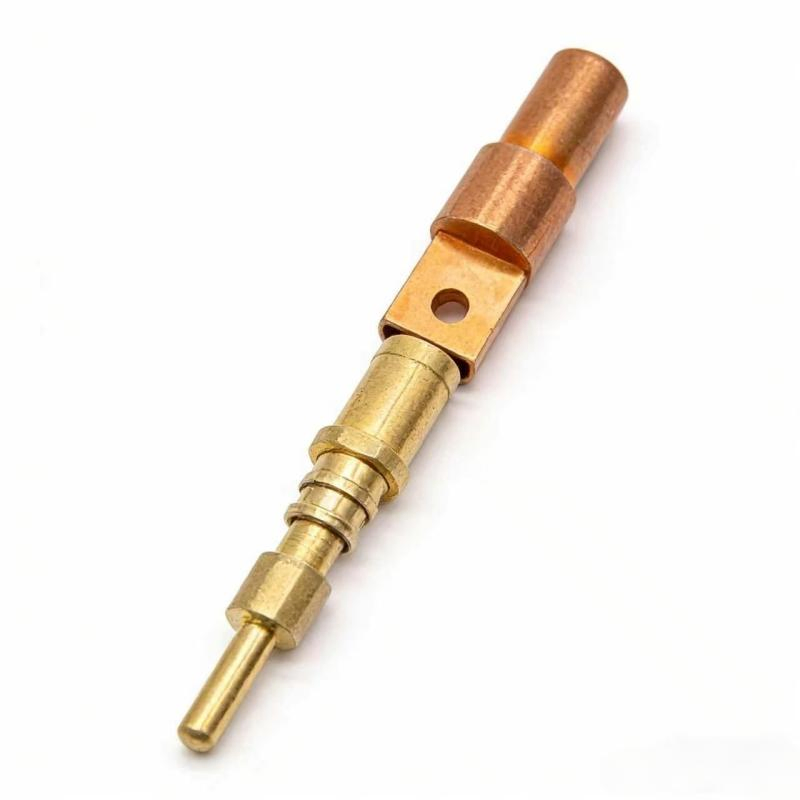
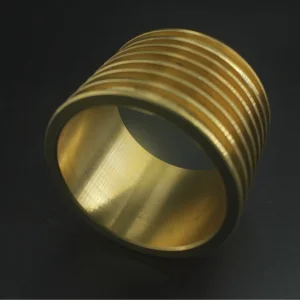
High-Quality Brass Parts for Automotive, Electronic, and Marine Applications

Brass components play an indispensable role across a wide range of industries, serving as critical elements in automotive manufacturing, electronic devices, plumbing systems, marine engineering, and beyond. Their exceptional versatility, robust durability, and outstanding resistance to corrosion make them a preferred material choice for engineers and manufacturers worldwide.
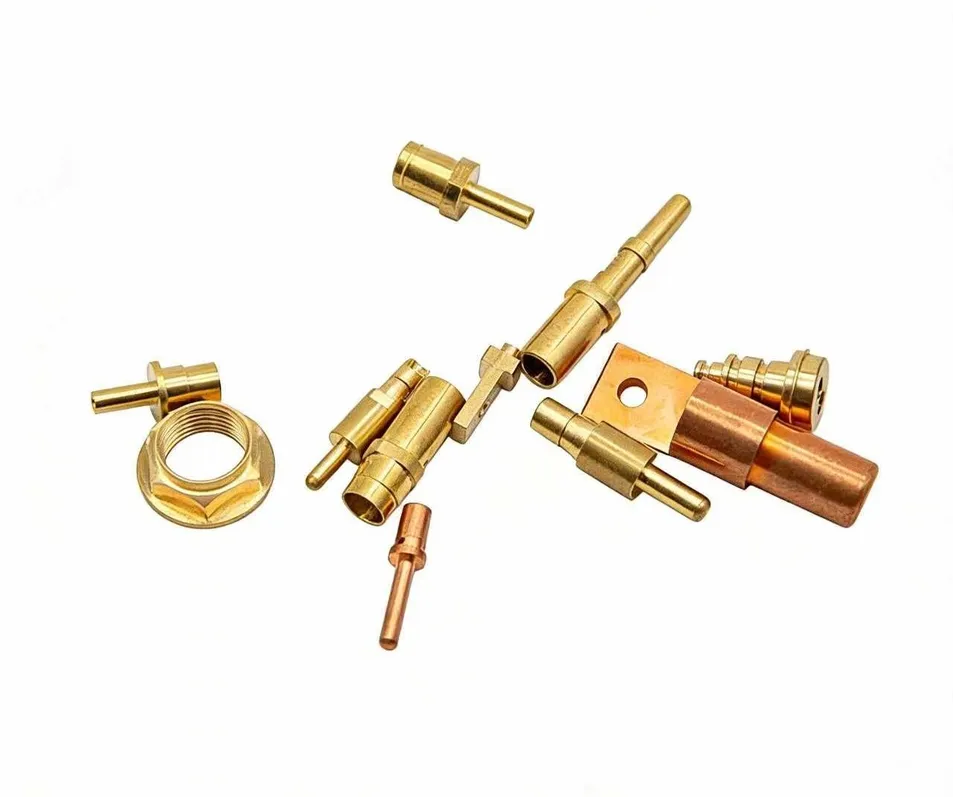
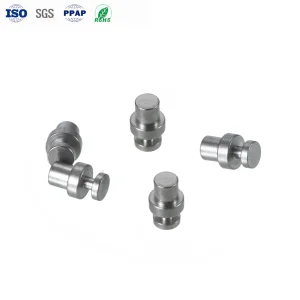
Advanced Cold Cutting
Key Features and Benefits
  • Exceptional mechanical strength and long-term reliability in demanding environments
  • Suitable for applications with strict tolerances and high surface finish requirements
  • Easy installation and disassembly, reducing downtime and simplifying maintenance
  • Excellent corrosion resistance and high-temperature tolerance, ensuring durability in harsh conditions
  • Superior electrical conductivity and oxidation resistance for optimal performance
🛠️ Process of Brass Precision Parts

CNC Turning: Used to produce cylindrical parts such as bushings and shafts. CNC turning offers excellent precision and is ideal for components requiring tight tolerances.

CNC Milling: Suitable for parts with complex geometries and precise cutouts using rotating multi-point cutting tools.

CNC Drilling: Focuses on creating precise holes and threads, ensuring accuracy in hole diameter and depth.

Multi-Axis Machining: Enables complex designs with curves and angles, significantly enhancing efficiency by reducing setups.
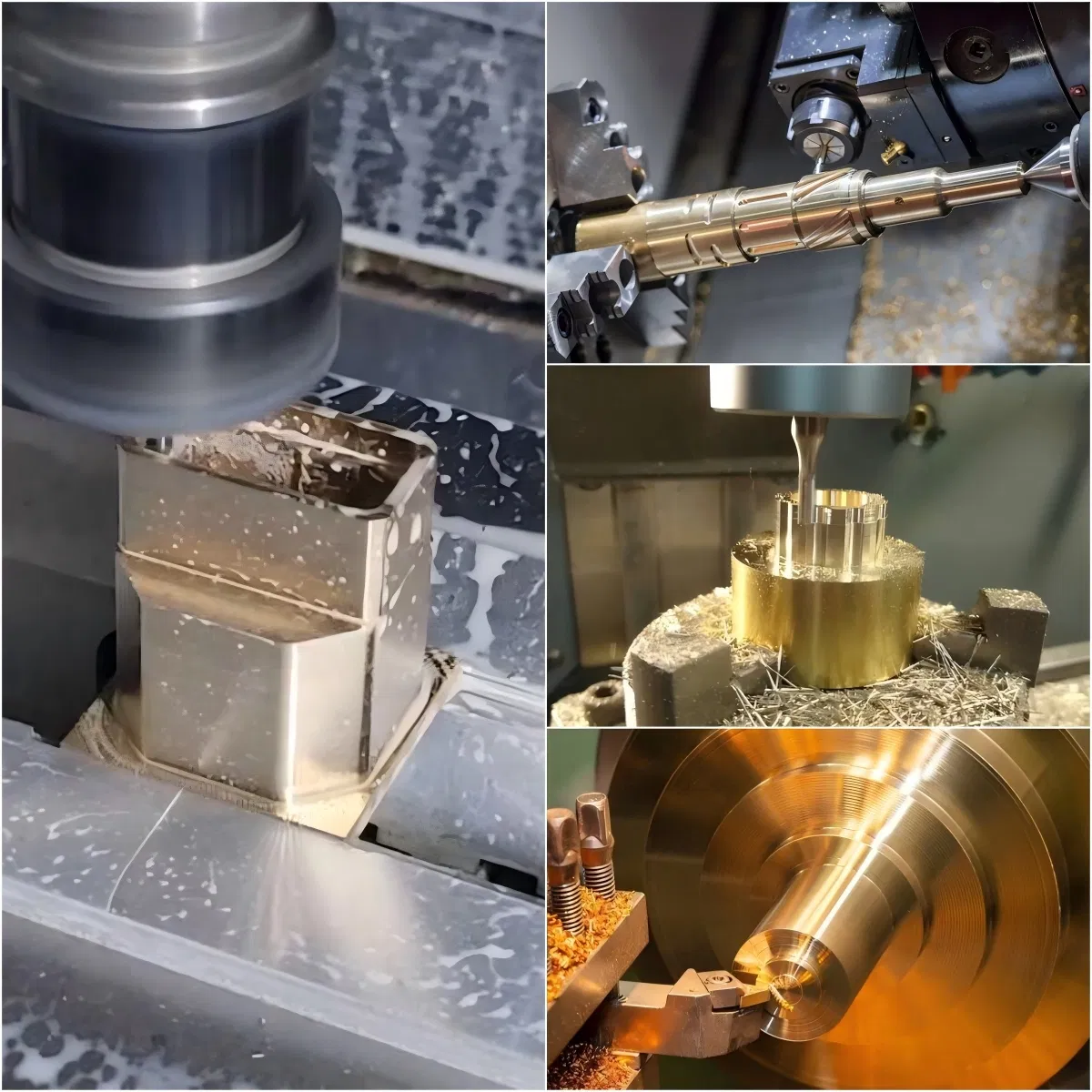
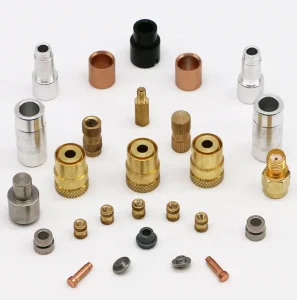
CNC Process
🚀 Applications

1. Automotive Industry: Used in radiator cores, bushings, and electrical connectors due to thermal conductivity and low friction.

2. Plumbing and Pipe Fittings: Standard for valves and faucets due to antimicrobial properties and corrosion resistance.

3. Electronics: Ensures signal integrity in terminal blocks, USB ports, and shielding components.

4. Marine: Naval brass alloys resist seawater corrosion, ideal for propellers and drive shafts.

5. Musical Instruments: Used for acoustic resonance in trumpets and saxophones.
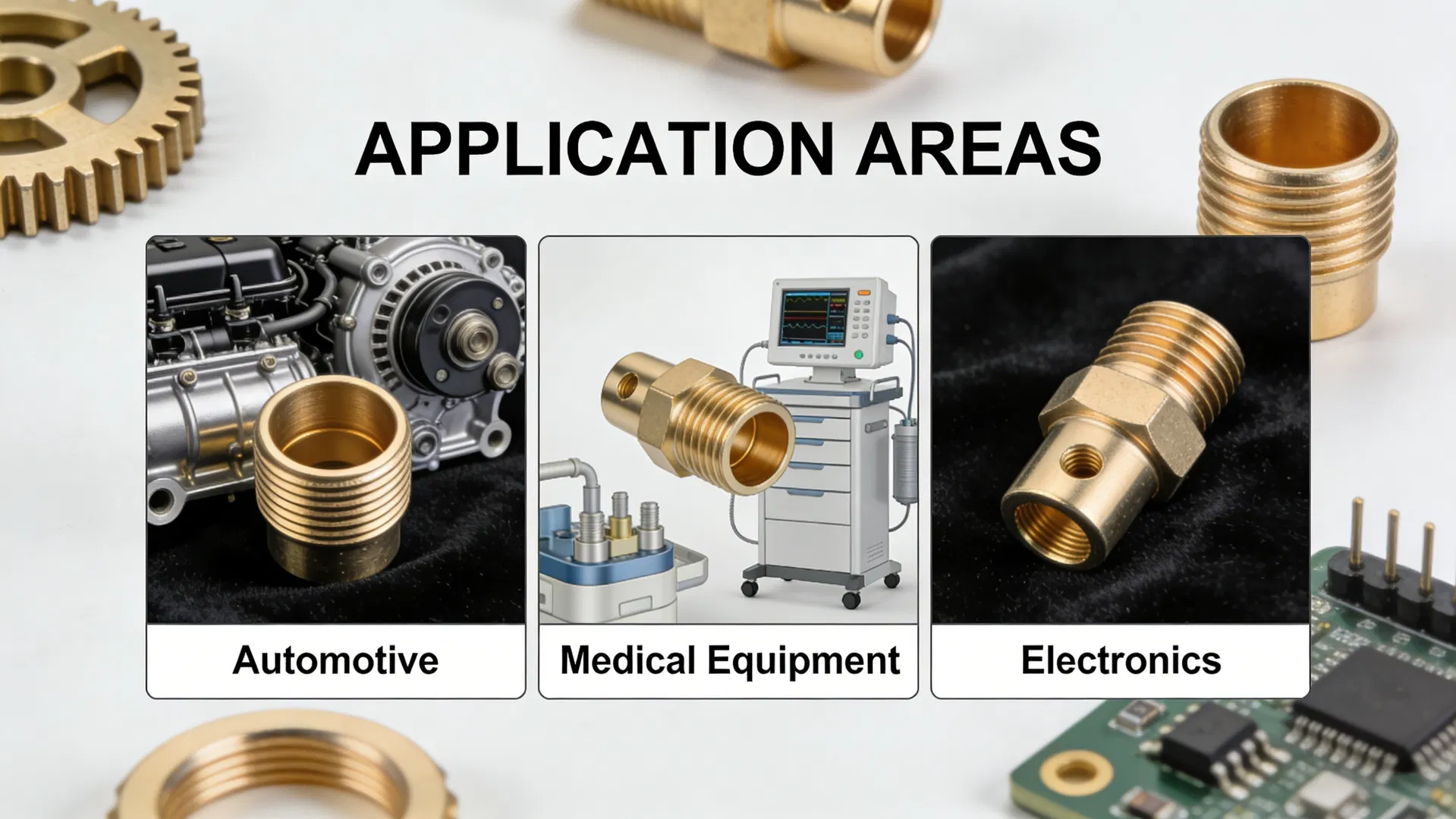
Application Range
🏢 Precision Machining Solutions

Advanced Bi-tech lathes deliver high-precision machining solutions across diverse industries through innovative technology. Our systems enable simultaneous turning, milling, drilling, and tapping, allowing complex parts to be completed in a single setup.

Core Advantages: Exceptional Precision, Enhanced Efficiency, Small Complex Parts Expertise, and Advanced Automation with surface roughness down to Ra≤0.1μm.

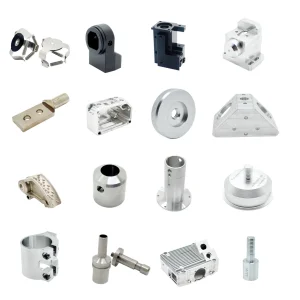
Machining Solutions
Frequently Asked Questions
What are CNC Turned Components?
CNC turned components are parts produced using a CNC lathe machine. The process involves rotating a workpiece at high speed while a cutting tool removes material to create cylindrical or spherical shapes like shafts and bushings.
What are the benefits of CNC turned components?
Key benefits include high precision, increased production speed, improved consistency, repeatability, and reduced labor costs. They allow for complex shapes with tight tolerances.
What materials are commonly used?
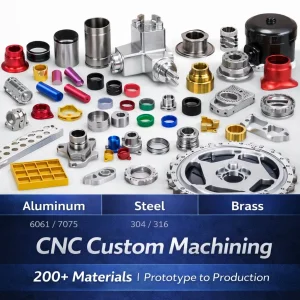
Common materials include aluminum, brass, steel, titanium, copper, plastics, and composites. Choice depends on strength, corrosion resistance, and thermal needs.
What types of components can be manufactured?
Typical components include shafts, pins, bolts, screws, spindles, nuts, washers, bushings, and couplings used across multiple industrial sectors.
Why is brass preferred for marine applications?
Naval brass alloys resist dezincification and corrosion in saltwater environments, making them ideal for propellers, drive shafts, and boat hardware.
How does multi-axis machining improve efficiency?
It allows tools to move in multiple directions simultaneously, enabling the creation of complex curves and angles in a single setup, which reduces errors and production time.

Related Products