In today's competitive landscape, CNC manufacturing faces constant pressure to optimize expenses. Experts like John Smith, a renowned CNC manufacturing consultant, emphasize the importance of cost efficiency. He states, "Identifying waste and streamlining processes can halve production costs." Understanding how to reduce cost in CNC manufacturing is vital for companies aiming to thrive.
As companies strive to maintain high-quality standards while reducing costs, various strategies can be employed. From enhancing machine utilization to adopting efficient materials, the right approach can make a significant difference. Focusing on skilled workforce training is essential, yet many businesses overlook this component.
Moreover, technology integration plays a crucial role. Advanced software solutions can streamline operations, though their implementation may seem daunting. Reflecting on past mistakes can guide organizations toward better decisions. Ultimately, the journey of cost reduction requires a nuanced understanding of processes, tools, and personnel. Each step taken in this direction is vital for the sustainability of CNC operations.
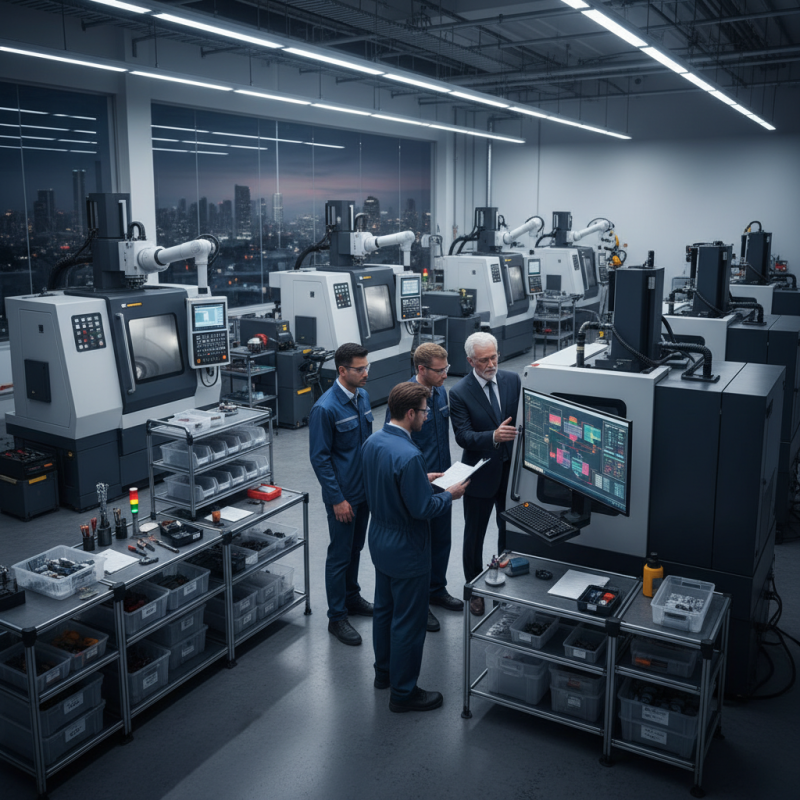
In CNC manufacturing, optimizing machining processes is essential for reducing costs. Industry reports indicate that inefficient machining can increase operational costs by up to 30%. Streamlining each step of the process can lead to significant savings. Understanding tooling and setup times is crucial. For instance, using high-quality tools can minimize wear and replacement frequency.
Investing in employee training also pays off. Well-trained staff can produce higher-quality work consistently. This reduces rework and scrap rates. Reports show that effective training programs can cut error rates by as much as 25%.
**Tip:** Regularly audit your machining processes. Identify bottlenecks and areas for improvement. Small changes can lead to greater overall efficiency.
Another area to explore is machine usage. Underutilized equipment represents lost potential. Data suggests that machines should operate at around 80% capacity for optimal profitability. Keeping machines in top condition is key to maintaining this level of productivity.
**Tip:** Implement preventive maintenance schedules. Scheduled checks can prolong machinery life and optimize performance. Even minor mechanical issues can lead to significant downtime.
| Method | Description | Potential Savings (%) | Implementation Time (weeks) |
|---|---|---|---|
| Optimize Tool Selection | Choose the right tools to reduce wear and improve efficiency. | 10-15% | 2 |
| Reduce Setup Times | Implement quick-change tools and fixtures to speed up setups. | 15-20% | 4 |
| Leverage Automation | Utilize CNC software for automated programming and operations. | 20-30% | 6 |
| Implement Lean Manufacturing | Focus on waste reduction and process improvement. | 15-25% | 8 |
| Regular Maintenance | Perform routine checks to prevent machine downtime. | 5-10% | Ongoing |
| Material Optimization | Select cost-effective materials and reduce scrap. | 10-15% | 3 |
| Use Vertical Machining | Switch to vertical machines for more efficient space usage. | 5-10% | 2 |
| Reduce Overhead | Analyze and reduce factory overhead costs. | 10-15% | 4 |
| Evaluate Supplier Relationships | Negotiate better pricing and terms with suppliers. | 5-10% | 2 |
| Standardize Processes | Streamline and standardize procedures to reduce variations. | 10-20% | 5 |
: It reduces operational costs, which can increase up to 30% due to inefficiencies.
High-quality tools reduce wear and frequency of replacements, saving money over time.
Well-trained staff can lower error rates by up to 25%, improving overall quality.
Regular audits can identify bottlenecks and opportunities for improvement.
Machines should ideally operate at about 80% capacity for optimal results.
Scheduled checks can prevent downtime and prolong the life of machinery.
Streamlined practices lead to better pricing and reduced expenses in material acquisition.
Strong partnerships can lead to better pricing and priority during shortages.
Accurate forecasting allows for bulk ordering, reducing per-unit costs.
JIT can reduce storage costs, but coordination is crucial to avoid production delays.
In the quest to understand how to reduce cost in CNC manufacturing, several key strategies can be effectively implemented. First, identifying and optimizing CNC machining processes is crucial for enhancing cost efficiency. By examining these processes, manufacturers can eliminate waste and streamline operations. Additionally, implementing preventive maintenance helps minimize unexpected downtimes, further controlling costs associated with production delays.
Moreover, leveraging advanced software for process simulation and cost analysis allows for better planning and informed decision-making, ensuring resources are utilized effectively. Investing in high-quality tools can also significantly reduce material waste and the need for frequent replacements, which ultimately leads to decreased expenses. Lastly, streamlining supply chain management facilitates the cost-effective acquisition of materials, ensuring that manufacturers can maintain competitiveness while managing their budgets wisely.

 MecMill Precision