As we look ahead to 2026, the landscape of CNC technology is evolving rapidly. Many wonder, what are the latest trends in CNC technology? Understanding these trends is essential for manufacturers who seek a competitive edge. The integration of AI and machine learning is becoming increasingly significant. These advancements optimize processes and improve accuracy in CNC machining.
Moreover, sustainability is influencing design and manufacturing practices. Companies are focusing on reducing waste and energy consumption. High-efficiency machines are becoming the norm, pushing the envelope of traditional manufacturing. Automation continues to grow as well. Robots and advanced software are taking over repetitive tasks, freeing skilled workers for more complex projects.
Keeping abreast of these trends is critical. The industry is ripe with possibilities, but it demands adaptability and foresight. Companies that fail to innovate may find themselves left behind. As we delve deeper into these trends, let's explore the specific changes shaping the future of CNC technology.
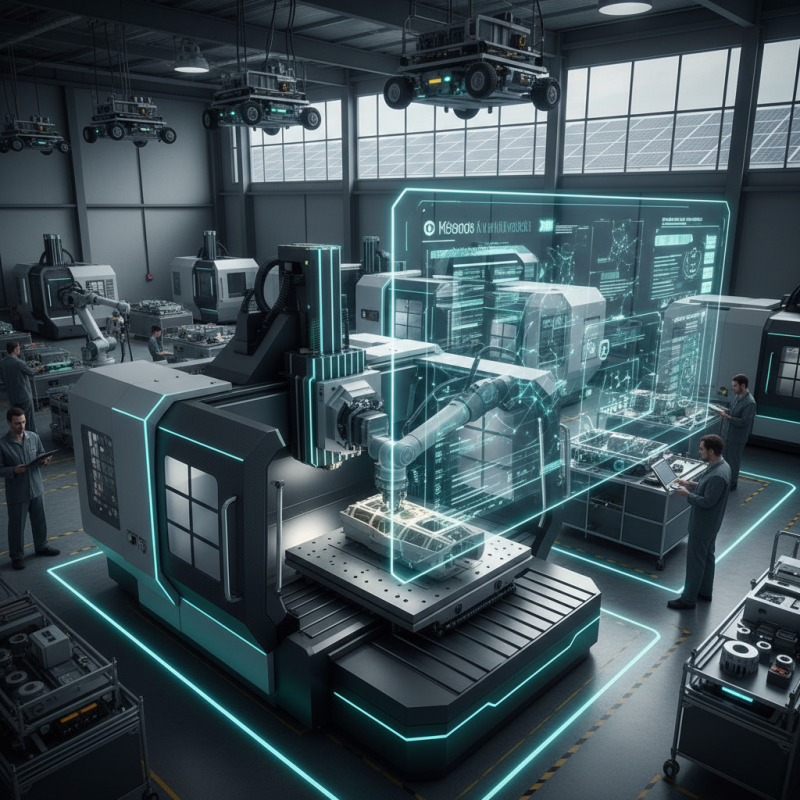
As we approach 2026, CNC technology is set to experience vast transformations. One significant trend is the integration of emerging automation technologies in CNC machinery. These advancements promise to enhance efficiency and precision in manufacturing processes. A recent industry report indicates that the CNC automation market is projected to grow by 12.5% annually, driven by innovations in robotics and machine learning.
Robotics are being utilized to perform repetitive tasks. This reduces human error and maximizes throughput. Additionally, machine learning algorithms are making CNC machines smarter. They analyze data from operations to predict maintenance needs. This not only optimizes operations but also minimizes downtime.
Tip: To stay ahead in CNC technology, invest in employee training. Educating the workforce on new technologies is crucial. This ensures seamless transitions as automation becomes prevalent.
Another noteworthy trend is the rise of cloud technology in CNC systems. Cloud integration provides real-time data access and analysis. It allows for remote monitoring, enabling operators to manage machinery from anywhere. This flexibility is essential in today’s fast-paced environment, but it also raises concerns about data security and system reliability.
Tip: Regularly update your cybersecurity measures. Protecting sensitive data is vital as automation evolves. Inadequate security can lead to costly repercussions.
| Trend | Description | Impact |
|---|---|---|
| Adaptive Machining | Technology that adjusts parameters in real-time based on feedback from the machining process. | Increased efficiency and reduced waste. |
| IoT Integration | Connecting CNC machinery to the internet for remote monitoring and data analytics. | Enhanced operational insights and predictive maintenance. |
| Artificial Intelligence | Implementing AI to optimize machining processes and improve decision-making. | Higher precision and reduced downtime. |
| Augmented Reality (AR) | Using AR for operator training and real-time assistance during machining. | Improved training outcomes and reduced error rates. |
| Sustainability Practices | Focus on eco-friendly materials and energy-efficient processes in CNC operations. | Reduced environmental impact and compliance with regulations. |
: Emerging automation technologies are enhancing efficiency and precision in CNC machinery, driving significant transformations.
Robotics perform repetitive tasks, reducing human error and maximizing throughput in manufacturing processes.
Machine learning analyzes operational data, predicting maintenance needs and optimizing operations to minimize downtime.
Training helps the workforce adapt to new technologies, ensuring seamless transitions in increasingly automated environments.
Cloud integration allows real-time data access and remote monitoring, enhancing flexibility in machinery management.
AI can improve manufacturing efficiency by up to 30% by analyzing large data sets in real-time.
Concerns about AI system reliability and the need for skilled personnel can hinder widespread acceptance in the industry.
Enhanced connectivity increases vulnerability, making it crucial to protect sensitive data against potential threats.
Robotics adoption in CNC is forecasted to grow over 30% in the coming years, enhancing operational capabilities.
Companies face challenges in navigating workforce retraining and ensuring compatibility with modern systems.
As we look towards 2026, it's crucial to understand what are the latest trends in CNC technology that are shaping the future of manufacturing. One notable trend is the emergence of advanced automation technologies in CNC machinery, which are enhancing production efficiency and precision. Additionally, significant advancements in CNC software and programming techniques are making it easier for operators to design and execute complex tasks with greater accuracy.
Another key development is the integration of artificial intelligence in CNC operations, allowing for smarter decision-making and predictive maintenance. Sustainability is also becoming a focal point, as manufacturers adopt greener practices to reduce their environmental impact. Lastly, the future of CNC robotics and smart manufacturing solutions is set to revolutionize how we approach automation, providing innovative ways to streamline operations and improve overall productivity.

 MecMill Precision