In the realm of CNC machining, the choice of materials significantly impacts the final product. Understanding what materials can be used in CNC machining is crucial for achieving desired precision and durability. The intricacy of machining requires a careful selection of materials, as each has unique properties that affect the machining process and the finished component.
Consider aluminum, known for its lightweight and corrosion resistance. It’s a favorite in aerospace and automotive sectors. Steel, on the other hand, offers strength and is widely used in manufacturing heavy machinery. These materials highlight the diversity available in CNC machining.
However, the process isn’t without challenges. Some materials may pose difficulties during machining, needing special tools or techniques. This unpredictability demands a skilled approach and ongoing learning. Thus, the material selection process is not merely about availability; it's also a reflection of experience and expertise. Ensuring you make informed choices can lead to enhanced production efficiency and product quality.
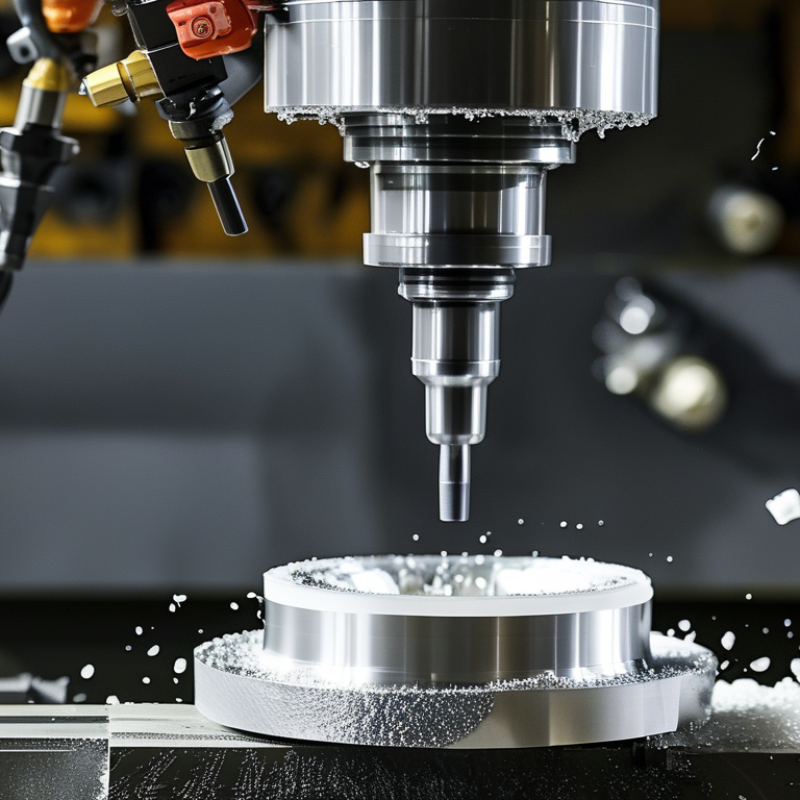
CNC machining has evolved significantly, offering a range of materials tailored for various applications. Machinists often choose from metals, plastics, and composites. Each material has unique properties impacting performance and cost. Industry studies show that aluminum is a favored option, representing roughly 25% of all CNC machined parts due to its strength-to-weight ratio and machinability. However, aluminum can sometimes warp under heat, leading to inconsistent results.
Plastics like ABS and Nylon are increasingly popular for their versatility and lower costs. Research indicates that machining plastics can reduce waste and speed up production times. Yet, the mechanical properties of plastics can limit their use in high-stress applications. Data suggests that while plastics make up about 15% of CNC materials, they may not always provide the durability needed for critical components.
Recently, composite materials have gained traction. They combine the best of both worlds—strength and lightweight characteristics. Still, their machining can present challenges. The need for specialized tools and techniques can increase production time and costs. As the industry evolves, staying informed about these materials is crucial for ensuring optimal outcomes. Understanding flexibility and limitations is key to successful CNC machining.
| Material | Characteristics | Applications | Cost |
|---|---|---|---|
| Aluminum | Lightweight, corrosion-resistant, good thermal conductivity. | Aerospace, automotive, consumer electronics. | $$ |
| Stainless Steel | High strength, corrosion resistance, maintains strength at elevated temperatures. | Medical devices, food processing, chemical equipment. | $$$ |
| Carbon Steel | High strength, cost-effective, good machinability. | Construction, automotive, tooling. | $ |
| Titanium | High strength-to-weight ratio, excellent corrosion resistance. | Aerospace, medical implants, marine. | $$$$ |
| Plastics (e.g., Delrin, Nylon) | Lightweight, good insulation properties, chemical resistance. | Consumer goods, automotive, electronics. | $ |
| Brass | Good machinability, corrosion resistance, excellent conductivity. | Electrical connectors, instruments, plumbing. | $$ |
| Copper | Excellent conductivity, malleability, corrosion resistance. | Electrical applications, heat exchangers, decorative items. | $$$ |
| Teflon | Non-stick surface, high chemical resistance, thermal stability. | Seals, gaskets, bearings. | $$$$ |
| Acrylic | Lightweight, shatter-resistant, clear optical quality. | Display cases, signage, windows. | $$ |
: CNC machining primarily uses metals, plastics, and composites. Each material has unique properties that affect performance.
Aluminum is favored for its strength-to-weight ratio and machinability. However, it can warp under heat.
Plastics, like ABS and Nylon, are versatile and cost-effective. They enhance production speed and reduce waste.
Plastics may lack durability in high-stress situations. Their mechanical properties can restrict their use in critical components.
Composites require specialized tools and techniques. This can increase both production time and costs.
High temperatures can cause some plastics to warp or melt. Careful monitoring is needed during machining.
Choosing the right material ensures optimal performance and longevity. It significantly impacts product quality.
Static electricity can attract dirt and debris, affecting the quality of the finished product. Care is necessary.
Improper machining techniques may lead to inaccurate dimensions. Operators must monitor variables closely.
Staying updated ensures optimal outcomes in machining. Knowledge of material limitations enhances innovation.
CNC machining is a versatile manufacturing process that allows for precise shaping of various materials. When considering what materials can be used in CNC machining, it's essential to recognize the most popular choices. Aluminum stands out as a prime option, offering excellent machinability and a good strength-to-weight ratio, making it ideal for many projects. Steel, known for its incredible strength and durability, is widely used in applications requiring lasting support and stability.
Additionally, plastics have gained popularity due to their lightweight nature and ability to be machined with great precision, suitable for a range of applications. Composite materials take advantage of mixed properties, combining strength with weight efficiency, which is crucial in high-performance tasks. By understanding these key materials, manufacturers can choose the best options for their CNC machining needs, ensuring efficient and effective production.

 MecMill Precision