Achieving high precision in CNC machining is crucial for delivering quality products. Industry professionals constantly seek innovative ways to enhance this aspect. The question often arises: how to improve precision in CNC machining? Understanding the factors that influence precision can lead to better results.
To start, it's essential to recognize the role of machine calibration. Regular checks can prevent minor discrepancies that significantly affect the end product. Additionally, tool selection plays a vital part. Using appropriate cutting tools can ensure efficient material removal while maintaining accuracy.
Moreover, environmental conditions can influence precision. Temperature fluctuations may lead to dimensional changes in materials. Operators should consider these factors to mitigate potential errors. By acknowledging these imperfections and areas for improvement, CNC machinists can enhance their approach and drive better outcomes in their projects.
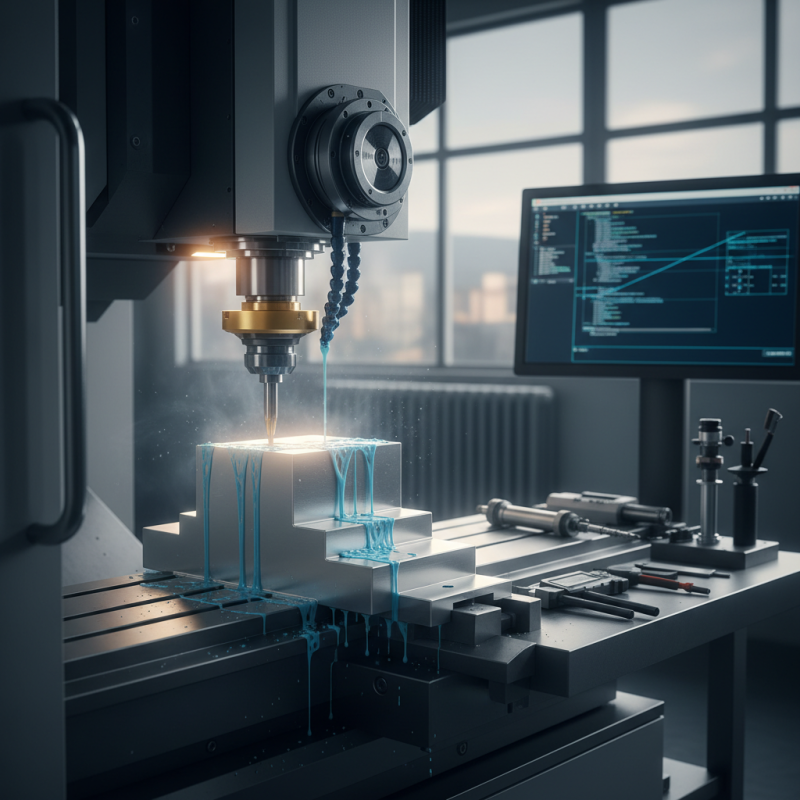
Precision in CNC machining is crucial for achieving high-quality results. Accuracy in this process minimizes errors and ensures that parts fit together seamlessly. Understanding its significance helps manufacturers maintain competitive advantages.
One critical tip for improving precision is regular maintenance of CNC machines. Proper upkeep prevents wear and tear, which can affect accuracy over time. It's also essential to use the right tools for the material being processed. Using the wrong tool can lead to poor finishes and inaccurate dimensions.
Another aspect to consider is environmental control. Temperature fluctuations can impact materials and machine performance. Maintaining a stable environment reduces these risks. Operators should also continuously monitor machining parameters, making real-time adjustments when necessary. This proactive approach allows for quick corrections and enhances overall precision.
Choosing the right materials is crucial for improving precision in CNC machining. Different materials behave differently under machining conditions. For instance, metals like titanium exhibit excellent strength but can be challenging to machine accurately due to their hardness. According to a report by the Precision Engineering Institute, the choice of material can impact tolerances by up to 20%.
Aluminum, known for its machinability, offers a balance of strength and ease of processing. CNC machined parts made from high-quality aluminum alloys demonstrate tighter tolerances and smoother finishes. The same report indicates that selecting the right aluminum alloy can improve surface finish by 30% compared to other metals.
However, not all machining scenarios benefit from the same materials. Some plastics, while easy to work with, may lack the necessary rigidity. This can lead to deformation during machining. It's essential to assess the mechanical properties and intended application of each material. This critical evaluation can directly affect the quality and accuracy of machined components. Understanding these dynamics can prevent potential errors and enhance overall machining performance.
Maintaining and calibrating CNC machines are essential for optimal performance. Regular inspections can identify issues before they become major problems. It’s crucial to keep machines clean and free from debris. Lubrication of moving parts can enhance efficiency. However, it’s easy to overlook these simple tasks amid busy schedules.
Calibration is vital for precision. Regularly check the machine's axes and tools. Even minor misalignments can lead to significant errors in production. Use reliable measuring instruments for accurate results. Adjust settings as needed, but do not rush. Take the time to ensure everything is perfectly aligned.
Finally, document all maintenance activities. This record can help track performance trends over time. It can also guide future improvements. However, errors in documentation can lead to confusion. Being meticulous goes a long way in maintaining CNC machine precision.
In CNC machining, utilizing advanced tooling techniques plays a crucial role in enhancing precision. Different cutting tools can affect the accuracy of your work. High-quality materials can reduce tool wear and maintain a sharp edge. This, in turn, leads to better surface finishes and tighter tolerances. Pay attention to the geometry of your cutting tools. A wrong angle can lead to excess vibration and poor performance.
The use of adaptive toolpaths is another promising technique. These paths adjust to the material being cut, maximizing efficiency and reducing errors. Incorporating real-time monitoring sensors can provide immediate feedback. This allows operators to make necessary adjustments quickly. However, adopting new technologies requires proper training. Ensuring that your team understands these tools is essential but can be challenging.
Finally, it's important to reflect on the challenges faced in implementing these techniques. Not all machining centers can accommodate advanced tooling without upgrades. Sometimes, this realization can be disheartening. Yet, addressing these gaps paves the way for overall improvement in precision. Experimenting with new tooling methods may lead to unexpected results, enhancing both skills and production quality.
Effective quality control in CNC machining is crucial for achieving precision. The right measures can significantly enhance production outcomes. Begin by establishing standard operating procedures. Consistent processes help ensure quality and minimize errors.
Regularly calibrate your CNC machines. This step helps maintain accuracy in dimensions. Small deviations can lead to major issues. Monitoring tool wear also plays a vital role. Replacing dull tools can prevent inaccuracies and extend the lifespan of machinery.
Incorporate statistical process control (SPC) into your workflow. Track variations and trends over time. This data can reveal patterns needing attention. Invest in training operators. Skilled workers can identify problems early and contribute to continuous improvement. Reassessing processes frequently ensures you adapt to any challenges.
| Tip No. | Tip Description | Expected Outcome |
|---|---|---|
| 1 | Regular Tool Calibration | Enhanced cutting accuracy |
| 2 | Maintain Clean Workspace | Reduces contamination and errors |
| 3 | Use High-Quality Tools | Improved durability and precision |
| 4 | Implement Software Simulation | Identifies potential errors before production |
| 5 | Conduct Routine Inspections | Ensures operational accuracy |
| 6 | Optimize Tool Path | Minimized cycle time and improved accuracy |
| 7 | Train Operators Regularly | Enhanced operational skills |
| 8 | Use Proper Measuring Instruments | Accuracy in measurements |
| 9 | Implement Feedback Loops | Continuous improvement in processes |
| 10 | Monitor Environmental Conditions | Reduced variability in machining |
: Precision minimizes errors, ensuring parts fit together seamlessly. It helps maintain competitive advantages.
Regular maintenance of machines is essential. It prevents wear and tear that affects accuracy over time.
Different cutting tools affect accuracy. High-quality tools reduce wear and lead to better finishes.
Temperature fluctuations can impact materials and machine performance. A stable environment reduces risks.
Adaptive toolpaths adjust to the material, maximizing efficiency and reducing errors during machining.
Real-time monitoring provides immediate feedback, allowing operators to make quick adjustments as needed.
Not all machining centers can accommodate advanced tools. Upgrades may be necessary, which can be discouraging.
Proper training ensures the team understands the tools. This is essential but can present challenges.
Using the wrong tool can lead to poor finishes and inaccurate dimensions, affecting the final product.
Pay attention to tool geometry. A wrong angle can cause excess vibration and poor performance.
Precision is crucial in CNC machining, as it directly affects the quality and accuracy of the final product. To improve precision in CNC machining, it's essential to select the right materials that enhance machining accuracy. Additionally, regular maintenance and calibration of CNC machines are vital for ensuring optimal performance. Employing advanced tooling techniques can further elevate precision levels, allowing for more intricate designs to be machined with greater accuracy.
Moreover, implementing effective quality control measures during the CNC processes is imperative. By systematically monitoring and inspecting outputs, manufacturers can identify potential issues early and make necessary adjustments. Overall, these strategies provide a comprehensive approach to how to improve precision in CNC machining, ensuring high-quality production outcomes and customer satisfaction.

MecMill Precision