In today’s manufacturing landscape, complexity is a common challenge. With advanced designs, understanding how to handle complex geometries in machining becomes vital. Machining intricate shapes requires both precision and creativity. Traditional methods may not be sufficient.
Experts suggest embracing modern technologies and strategies. CNC machines and innovative tooling can greatly improve accuracy. However, choosing the right approach is essential. Many programmers face unexpected issues during setup or execution. Mistakes can lead to wasted materials and increased costs.
Experience shows that thorough planning makes a difference. Feasibility studies and simulations can provide valuable insights. They help identify potential problems before machining begins. A thoughtful approach often leads to better outcomes. Nevertheless, not all challenges can be foreseen. Continuous learning and adaptation are crucial. Finding solutions is an ongoing process in the quest for perfection.
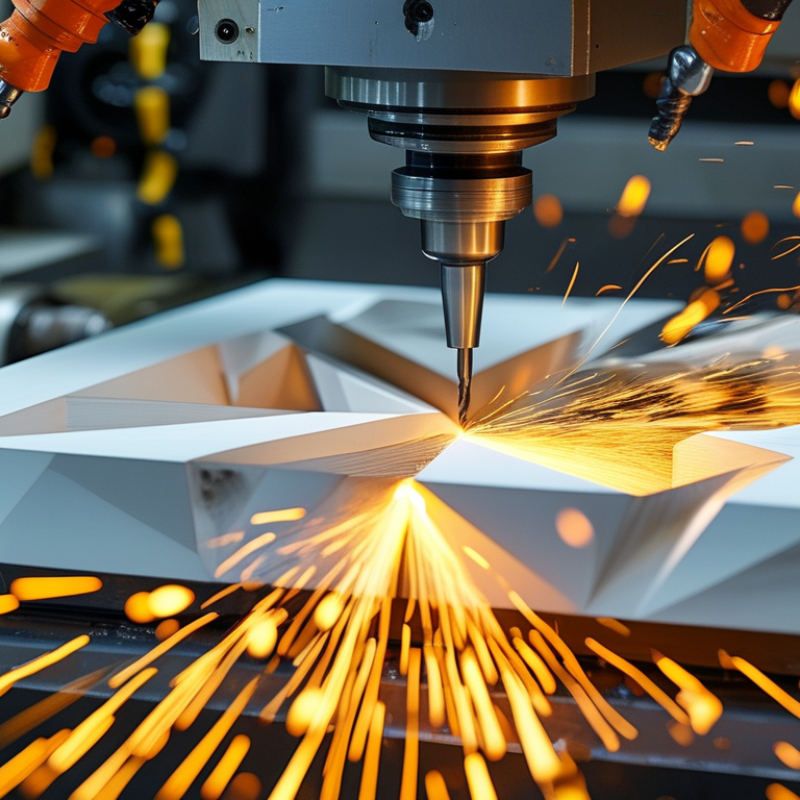
Understanding complex geometries in machining processes is crucial in today’s manufacturing landscape. The ability to create intricate designs can differentiate a business in competitive markets. A recent industry report noted that over 60% of engineering designs now incorporate complex geometrical features. These designs often enhance functionality and reduce weight in products, particularly in aerospace and automotive industries.
Complex geometries pose unique challenges. The precision required may lead to increased wear on tools and machines. This can result in higher operational costs. According to a study, manufacturers can experience a machining cost increase of up to 30% when dealing with intricate shapes. Furthermore, not all machining tools can handle these complexities, which can lead to production delays. Machinists need to assess tool compatibility and adjust machining strategies accordingly.
Precision and accuracy are paramount. Small deviations can lead to significant errors in dimensions. The use of advanced CAD and CAM software helps in visualizing these geometries. However, they are not foolproof. Engineers must continually adapt to new experiences and feedback. Ultimately, balancing innovation and practicality is key to mastering complex geometries in machining processes.
Machining complex geometries presents unique challenges that require careful consideration. One key hurdle is toolpath generation. When machining intricate shapes, traditional linear paths often fall short. Complex contours may lead to increased machining times and potential inaccuracies. Notably, tool wear can escalate when navigating tight corners. This necessitates a strategy that balances speed with precision.
Another significant challenge lies in material removal. Complex geometries often involve varying depths and angles. This irregular material engagement can lead to uneven cutting forces. Additionally, it increases the risk of vibrations, which affects surface finish. Machinists must continually adjust parameters to maintain consistency. Regular monitoring of the machining process helps in identifying issues early.
Ensuring proper fixturing is also critical. Holding complex parts securely can prove daunting. Insecure fixtures may cause parts to shift during cutting, resulting in costly errors. Workers must adopt a proactive approach, experimenting with different setup methods to find the best fit. This iterative process can reveal valuable insights, though it might require several attempts to achieve optimal results.
Effective tool path planning is crucial when machining complex geometries. A study from the International Journal of Advanced Manufacturing Technology states that optimized tool paths can improve machining efficiency by over 30%. These improvements lead to faster production times and cost savings. Understanding tool engagement and material removal rates is essential for maximizing efficiency.
To handle intricate designs, consider adaptive machining techniques. These methods adjust the tool path in real-time based on feedback from the cutting process. For example, implementing strategies like zig-zag or spiral paths can help maintain consistent chip loads. The Society of Manufacturing Engineers reported that implementing dynamic tool paths can reduce wear by up to 25%. However, not all paths yield satisfactory results.
While complex geometries may intimidate machinists, embracing simulation software can aid in anticipating challenges. Variables like tool vibration or thermal impacts can compromise quality. Simulation allows for testing various scenarios, revealing potential pitfalls before production begins. Reflecting on past experiences can further refine processes and enhance outcomes.
| Tip | Description | Technique | Benefit |
|---|---|---|---|
| Utilize Simulation Software | Employ CAD/CAM software to create virtual models. | 3D Simulation | Identifies potential issues before actual machining. |
| Optimize Tool Selection | Choose tools specific to the material and geometry. | Tool Optimization | Improves efficiency and reduces wear on tools. |
| Adjust Feed Rate and Speed | Modify feed rates and speeds according to complexity. | Dynamic Adjustment | Enhances surface finish and reduces tool breakage. |
| Implement Multi-Axis Machining | Use multi-axis machines for intricate geometries. | 5-Axis Machining | Allows for more complex shapes and reduces setups. |
| Regular Tool Path Verification | Continuously check tool paths against design models. | Path Verification | Minimizes errors and scrap material. |
When machining complex shapes, tool selection is critical. Different geometries demand specific approaches to achieve optimal results. Using the right tool can minimize defects and improve surface quality. For intricate contours, consider using ball-end mills or specialized inserts. They can navigate tight radii effectively. The design of these tools plays a key role in their effectiveness.
Additionally, the material of the tool impacts performance. Carbide tools often provide better durability for difficult materials. Yet, high-speed steel may be more advantageous in specific situations requiring flexibility. It’s essential to reflect on past experiences and explore various options. A one-size-fits-all solution rarely exists in machining.
Understanding the cutting parameters is equally vital. Speed, feed rate, and depth of cut must be adjusted for complex shapes. Too aggressive a setting can lead to breakage or wear. Conversely, too mild settings may not yield desired results. Tracking performance data often reveals what works best, but there is always room for improvement. Trial and error remain part of the learning process in this intricate field.
Advanced machining technologies and software have transformed the way complex geometries are handled. Technologies like computer numerical control (CNC) and additive manufacturing are at the forefront of this evolution. According to a recent report by Deloitte, 70% of manufacturers recognize the necessity for digital transformation to maintain a competitive edge. This highlights how critical it is for businesses to invest in advanced tools.
To effectively manage intricate shapes, employing advanced simulation software is essential. This software can predict potential machining issues before they arise. It allows engineers to visualize tool paths and optimize designs. Implementing this technology can reduce setup times significantly. One report from a leading machining association indicated that companies using simulation tools experienced a 30% reduction in configuration errors.
Another practical tip is to focus on staff training. Skilled operators who understand these sophisticated tools yield better results. Investing in continuous professional development enhances capabilities. It has been shown that companies with a well-trained workforce see 20% higher productivity rates. However, creating this level of expertise takes time and effort. Initial resistance from staff can be an obstacle. Recognizing that change may be met with skepticism is crucial for successful implementation.
: It differentiates businesses in competitive markets. Complex designs enhance functionality and reduce weight, especially in aerospace and automotive sectors.
They require precise toolpath generation and can increase machining times and inaccuracies. Tool wear also escalates in tight corners.
Manufacturers may face a machining cost increase of up to 30%. This can happen due to tool wear and production delays.
CAD and CAM software helps visualize geometries but isn't perfect. Engineers must adapt continuously based on new experiences and feedback.
Insecure fixtures can lead to parts shifting, resulting in costly errors. A proactive approach is needed to find the best setup.
Machinists need to regularly monitor procedures and adjust parameters for consistent material removal and better surface finish.
Not all tools can handle complex geometries, which may cause production delays. Assessing tool compatibility is critical.
Irregular material engagement can lead to vibrations, adversely impacting surface finish. Continuous adjustments are crucial to mitigate this risk.
Trying different setup methods helps workers find optimal strategies. This iterative process often requires several attempts.
Yes, while useful, software can't eliminate all errors. Engineers must remain flexible and prepared to address unexpected challenges.
In the machining industry, knowing how to handle complex geometries is essential for achieving precision and efficiency. The first step involves understanding the intricacies of these geometries and the common challenges faced during the machining process, such as tool access and material variability. To overcome these obstacles, effective tool path planning techniques are crucial. Implementing advanced algorithms and software can significantly enhance the accuracy of machining operations while minimizing errors.
Additionally, optimizing tool selection based on the specific shapes being machined is vital to ensure material efficiency and tool longevity. Adopting advanced machining technologies, including automation and computational models, can further streamline operations, allowing for better adaptability to complex designs. By focusing on these strategies, manufacturers can improve their machining processes and achieve superior results in handling complex geometries.

MecMill Precision