The Role of Programming in CNC Machines Explained for Buyers?

Time:2026-05-07 Author:Madeline
0%

In the world of manufacturing, the question of "what is the role of programming in CNC machines" is vital. Understanding this role shapes the effectiveness of CNC operations. Programming is not just about writing code; it is about translating complex designs into precise actions. Each line of code instructs the machine on how to move, cut, or shape materials.

CNC machines rely on intricate programming to achieve desired outcomes. A small error in programming can lead to significant issues in production. Buyers must grasp this aspect thoroughly. Experienced operators know the importance of a well-written program. It must be clear and easy to follow. This highlights the need for quality training in programming.

Moreover, the role of programming goes beyond basic instructions. It involves optimization for efficiency and accuracy in production. As technology evolves, so does programming. New languages and tools emerge. Reflecting on these changes is crucial for those in the industry. Ultimately, effective programming can transform manufacturing processes.
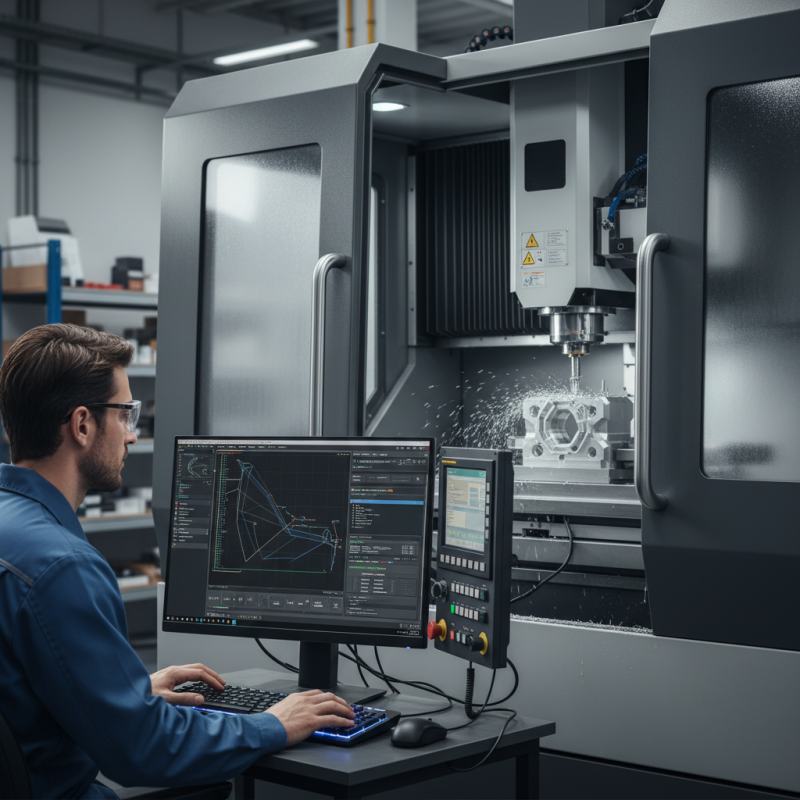
The Role of Programming in CNC Machines Explained for Buyers?

Understanding CNC Machines and Their Functionality

CNC machines are revolutionizing manufacturing. They automate processes with high precision. Understanding their functionality begins with programming. The programming tells the CNC machine how to move and operate.

CNC stands for Computer Numerical Control. These machines convert a CAD design into a physical product. They can cut, mill, or drill materials according to specified designs. Each type of CNC machine has unique programming requirements.

Tips: Start exploring CNC programming through basic tutorials. Practical experience is essential. When programming, always test your code on a simulation first. Mistakes can lead to wasted materials.

CNC machines improve production efficiency. Yet, programming can be complex. A small error can cause inconsistent outputs. Understanding basic commands and successful coding practices is crucial for effective machine operation. Regularly reviewing your programming logic can help identify areas for improvement.

The Basics of Programming in CNC Machines

CNC machines rely heavily on programming to achieve precision and efficiency in manufacturing. At the core of this programming is G-code, a language that directs the machine's movements. A recent industry report revealed that 70% of CNC operators believe that understanding G-code enhances machine performance. This programming allows for intricate designs and repeated accuracy.

Tips: Familiarize yourself with the basics of G-code. Knowing the common commands can boost your confidence and streamline your work process.

Beyond G-code, modern CNC machines utilize CAD/CAM software for higher-level design programming. This integration streamlines the workflow and reduces human error. However, many operators still struggle with transitioning from conventional methods to these advanced systems. According to research, around 40% of CNC operators report difficulties in adapting to new programming standards.

Tips: Continuous training is vital. Regularly attend workshops or online tutorials to stay updated with software advancements.

Programming in CNC machining is not just about learning commands. It's about understanding the machine's capabilities and limitations. Operators who invest time in mastering programming often see improvements in productivity and accuracy.

Common Programming Languages Used in CNC Technology

In CNC technology, programming plays a vital role in automating processes. Various programming languages are integral to this field. Understanding them can guide buyers in making informed decisions.

G-code is the most common programming language used in CNC machines. It consists of simple commands that instruct machines on movements. Operators can write G-code manually or use software to generate it. Another language, M-code, handles ancillary functions, like coolant control and spindle speed. Both are essential for precise machining.

Another programming option is FANUC, favored for its user-friendly interface. Many operators prefer conversational programming for its intuitive design. This allows even beginners to create effective programs. However, mastering these languages requires practice. Implementing them can sometimes lead to unexpected challenges. Balancing precision and creativity is crucial in CNC programming. Each language has its complexities. Understanding these nuances can enhance production efficiency.

The Role of Programming in CNC Machines Explained for Buyers

Programming Language Description Use Case Key Features
G-code Standard language for CNC machining. Used in a wide range of CNC machines. Simple syntax, supports various commands for movement and tool control.
M-code Used to control machine functions. Commonly used in conjunction with G-code. Commands for starting, stopping, and managing the machine's operational functions.
CAM Software Languages Languages used in computer-aided manufacturing programs. Used for programming CNC machines from CAD models. Integration with design software and advanced simulation tools.
PLC Programming Languages Languages used for programming programmable logic controllers. Used in automated CNC setups. Ensures machine safety and control in automated processes.
Python High-level programming language used for scripting in CNC. Used for CNC programming and integration with other systems. Versatile, easy to learn, and supports libraries for advanced CNC controls.

How Programming Influences CNC Machine Precision and Efficiency

Programming plays a crucial role in the operation of CNC (Computer Numerical Control) machines. It directly influences both precision and efficiency in manufacturing processes. Research from the *National Institute of Standards and Technology* has shown that precise programming can reduce machining errors by up to 40%. This level of accuracy is essential for industries where the smallest miscalculation can lead to substantial material losses and safety risks.

CNC machine programming affects operational efficiency significantly. According to a report by *Machinery Research Group*, well-optimized codes can enhance machining speed by 30% while reducing tool wear. This optimization not only leads to faster production times but also minimizes downtime. However, it’s worth noting that poor programming can lead to inconsistent results. Even experienced operators may overlook simple programming errors, sacrificing precision and efficiency over time.

Moreover, the complexity of programming also introduces challenges. Advanced features, while offering enhanced functionality, can make the programming process more error-prone. A study from *Tech Industry Insights* indicated that nearly 20% of CNC programming issues arise from misinterpretation of advanced features. This emphasizes the need for ongoing training and skill refinement among operators to ensure optimal machine performance.

Choosing the Right CNC Machine Based on Programming Needs

When choosing a CNC machine, programming needs are critical. Buyers should assess how they plan to program the machine. Some manufacturers use G-code, while others might employ different languages or software. Knowing the preferred method can greatly impact the machine’s usability.

Consider the complexity of your projects. Simple designs may require basic programming skills. However, intricate projects often necessitate advanced programming capabilities. Think about future needs too. Machines that handle complex contours may require additional programming knowledge.

Training support is another factor to reflect on. Does the manufacturer provide adequate resources? User manuals, tutorials, or customer support can greatly enhance the learning curve. Be wary of equipment that lacks comprehensive support. It may lead to frustrations down the road. Always weigh the programming needs against practical usage scenarios. Understanding these aspects can lead to a more successful CNC investment.

The Role of Programming in CNC Machines Explained for Buyers

This bar chart illustrates the relative importance of different programming dimensions when choosing CNC machines. The data reflects how buyers typically prioritize various programming capabilities for their CNC machine purchases.

FAQS

: What is a CNC machine?

: A CNC machine automates manufacturing processes with high precision. It uses programmed instructions to direct movement.

How does programming affect CNC machine performance?

Programming is key. Proper programming can reduce errors by up to 40%, enhancing both precision and efficiency.

What is G-code?

G-code is the programming language for CNC machines. It tells the machine how to move and operate.

Why is it important to test programming code?

Testing code via simulation helps prevent mistakes. Errors in code can lead to wasted materials and production delays.

What challenges do operators face with CNC programming?

Many operators struggle with adapting to new programming standards and complex features, leading to possible errors.

How can operators improve their programming skills?

Regular training, workshops, and online tutorials are essential for staying updated and refining coding skills.

What are common causes of programming errors?

Programming errors often arise from small mistakes or misinterpretations, impacting the output's precision and efficiency.

Can advanced features make programming harder?

Yes, advanced features can complicate programming processes, increasing the chance of errors if not properly understood.

How can one boost confidence in programming CNC machines?

Familiarizing oneself with basic commands and practicing often can enhance confidence and efficiency in the programming process.

Conclusion

In the context of CNC (Computer Numerical Control) machines, understanding "what is the role of programming in CNC machines" is essential for potential buyers. CNC machines operate through precise programming that dictates their functionality, allowing for intricate designs and efficient manufacturing processes. The basics of this programming involve coding instructions that control the movement and operations of the machine, ensuring accurate and repeatable results.

Programming is facilitated by various languages tailored for CNC technology, impacting the machine's precision and overall efficiency. Selecting the right CNC machine hinges on understanding specific programming needs, as the programming directly influences operational capabilities and output quality. By grasping the intricacies of CNC programming, buyers can make more informed decisions, ensuring optimal performance for their manufacturing requirements.

Madeline

Madeline

Madeline is a dedicated marketing professional with a wealth of expertise in our company's core offerings. With a keen understanding of the industry, she brings a unique perspective to her role, consistently delivering high-quality content that highlights the superior aspects of our products. As......