How to Optimize Machining Workflow for Efficient Manufacturing?

Time:2026-06-10 Author:Amelia
0%

In today's competitive manufacturing landscape, efficiency is paramount. Companies constantly seek ways to enhance productivity and reduce costs. One crucial area is machining workflow. Understanding how to optimize machining workflow in manufacturing can lead to significant improvements. This approach goes beyond technical adjustments. It involves rethinking processes and collaboration among teams.

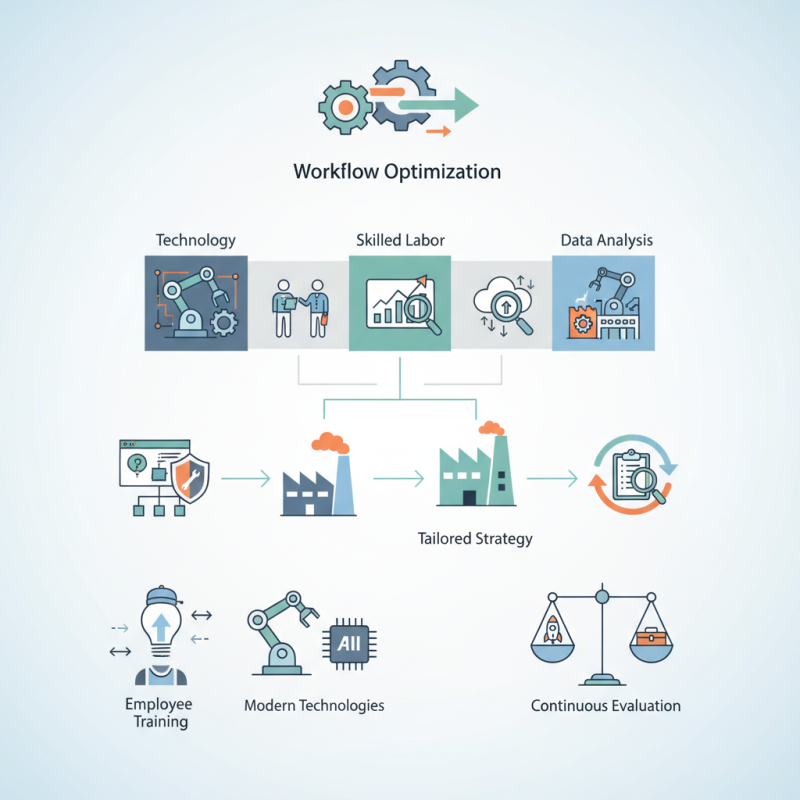
An effective machining workflow relies on several pillars. These include the right technology, skilled labor, and data analysis. However, it is important to remember that every factory is unique. What works in one setting may not translate directly to another. This unique complexity requires a tailored strategy and continuous evaluation.

Investing in employee training can yield remarkable results. Empowering workers to operate equipment with confidence enhances overall production. Moreover, integrating modern technologies, such as automation and AI, can streamline operations. Yet, adopting new tools can also present challenges. Companies must strike a balance between innovation and practicality. Regular reflection on these themes can help manufacturers navigate the complexities of optimization effectively.
How to Optimize Machining Workflow for Efficient Manufacturing?

Understanding the Basics of Machining Workflow Optimization

Machining workflow optimization is crucial for enhancing manufacturing efficiency. Industry reports indicate that optimizing workflows can lead to up to a 30% increase in productivity. Understanding the basics can significantly impact overall performance.

One key aspect is analyzing the entire workflow. Identifying bottlenecks can reveal hidden inefficiencies. For example, studies have shown that 60% of machining time often goes to non-value-added activities. Regular assessments can highlight areas needing change.

**Tips: Focus on continuous improvement.** Regular training for staff can build skill levels, enhancing output quality. Tips: Invest in data analytics. Utilizing real-time data can aid in strategic decision-making.

Monitoring machine performance is also essential. Machines often behave unpredictably due to wear and tear. A proactive maintenance approach can prevent costly downtimes. However, many companies overlook this aspect. Ignoring machine status can lead to significant losses.

Tips: Implement a feedback loop. Encourage operators to report issues promptly. This practice can drastically improve responsiveness. Addressing minor problems can prevent major disruptions down the line.

Identifying Key Factors Affecting Machining Efficiency

Machining efficiency is influenced by several key factors. A significant element is tool wear. Studies show that 20% of machining time is lost due to inadequate tool management. Implementing predictive maintenance can reduce this downtime. According to a report by the National Institute of Standards and Technology (NIST), poor tool condition can lead to a 25% decrease in productivity.

Another critical factor is the setup time. A survey by the Manufacturing Institute indicates that around 30% of machining processes are spent on setups. Streamlining these operations can enhance workflow. Utilizing modular tooling systems, which allow quick changes, can help achieve this. Additionally, operator training plays a vital role. Well-trained operators can make more efficient decisions, affecting the overall outcome.

Lastly, machine performance cannot be overlooked. The American Society of Mechanical Engineers highlights that machines operating below 80% efficiency waste significant resources. Regular performance assessments can highlight areas needing improvement. By addressing these key factors, manufacturers can drive efficiency, ultimately leading to a more optimized workflow.

Implementing Lean Principles in Manufacturing Processes

Implementing lean principles in manufacturing processes can significantly optimize machining workflows. Lean manufacturing focuses on minimizing waste while maximizing productivity. A report by the Lean Enterprise Institute states that companies can increase productivity by over 30% when applying lean techniques.

Visual management tools, such as value stream mapping, help identify inefficiencies. By mapping processes, manufacturers can pinpoint bottlenecks and areas of excess inventory. Studies suggest that manufacturers can reduce lead times by up to 50% simply by adopting these visual tools. This not only improves workflow but also enhances overall product quality.

Another key aspect is employee involvement. Engaging workers in continuous improvement initiatives leads to greater ownership and innovative solutions. A recent survey indicated that companies with strong employee engagement saw a 20% increase in productivity. However, the challenge lies in sustaining this engagement long-term. Many organizations struggle to maintain momentum once initial gains are achieved, highlighting the need for ongoing reflection and adjustment.

How to Optimize Machining Workflow for Efficient Manufacturing? - Implementing Lean Principles in Manufacturing Processes

Process Step Current Cycle Time (min) Target Cycle Time (min) Waste Reduction (%) Lean Principle Applied
Material Preparation 15 10 33.3 Value Stream Mapping
Machining 30 20 33.3 Just-In-Time
Quality Control 10 5 50 Kaizen
Packaging 20 12 40 Standardized Work
Shipping 25 15 40 Continuous Flow

Utilizing Technology and Automation for Workflow Enhancement

Optimizing machining workflow begins with understanding the role of technology and automation. Implementing advanced software solutions can streamline the planning stages. Automation tools, such as robotic arms, improve precision and reduce human error. Machines equipped with sensors can monitor performance in real-time, helping to identify issues early. This proactive approach minimizes downtime and enhances overall productivity.

However, reliance on technology isn't without its challenges. Integrating new systems often requires training staff, which can temporarily disrupt production. Additionally, outdated machinery might struggle to connect with modern tools, causing compatibility issues. Regular assessments are necessary to analyze the effectiveness of these technologies in practice. Continuous feedback loops ensure that the automation processes stay relevant and efficient.

Moreover, data-driven decisions derived from smart factory systems can optimize resource allocation. While these systems can reveal valuable insights, relying solely on algorithmic output may lead to oversights in unique, human-centric problems. Balancing technology with human expertise is crucial for a truly optimized machining workflow. Identifying where technology excels and where it falls short can lead to better outcomes.

Measuring Performance and Continuous Improvement in Machining

Measuring performance in machining requires a reliable approach. It involves tracking various metrics, such as cycle time, tool wear, and overall equipment efficiency (OEE). Each of these elements provides insight into the production process. For instance, cycle time indicates how quickly parts are being produced. By breaking down this metric, manufacturers can identify bottlenecks.

Continuous improvement in machining is not just a goal but a necessity. Regularly analyzing performance data can uncover areas for enhancement. For example, if tool wear accelerates, it might suggest that the cutting parameters need adjustment. This process fosters a culture where feedback is valued. Engaging operators in performance discussions can yield practical insights and innovative solutions.

Setting goals for machining efficiency is vital. However, it’s essential to ensure these goals are realistic. Unrealistic targets can demotivate teams and hinder performance. Adjusting benchmarks based on past performance allows for a more achievable framework. Reflecting on outcomes helps identify what worked and what didn’t. This iterative process builds a stronger, more efficient manufacturing workflow.

Machining Workflow Efficiency Metrics

This chart represents the optimization of machining workflow through various performance metrics including Cycle Time, Tool Life, and Machine Utilization over a six-month period. Continuous improvement is demonstrated through the analysis of these metrics.

FAQS

: What is machining workflow optimization?

: It enhances manufacturing efficiency. Optimizing workflows can lead to a 30% productivity increase.

Why is analyzing workflow important?

It identifies bottlenecks and reveals inefficiencies. Up to 60% of machining time may go to non-value-added activities.

How can training improve machining processes?

Regular training builds staff skills, enhancing output quality. Skilled operators can better handle machinery and processes.

What role does data analytics play in machining?

Real-time data aids strategic decisions. It can reveal trends and areas needing attention for improvement.

Why is machine performance monitoring necessary?

Machines can behave unpredictably due to wear. Proactive maintenance avoids costly downtimes and losses.

How can feedback loops improve operations?

Operators reporting issues promptly boosts responsiveness. Addressing minor problems prevents larger disruptions.

What metrics should be tracked in machining?

Key metrics include cycle time, tool wear, and overall equipment efficiency (OEE). These insights help refine production processes.

How to ensure goals for machining efficiency are effective?

Set realistic targets based on past performance. Unrealistic goals can demotivate teams and hinder progress.

What is the importance of continuous improvement?

It’s necessary for better processes. Regularly analyzing performance can uncover opportunities for enhancement.

Why reflect on outcomes in manufacturing?

Reflecting helps identify what worked and what didn’t. This iterative process builds a more efficient workflow.

Conclusion

Optimizing machining workflow in manufacturing is essential for enhancing efficiency and productivity. To begin with, it is crucial to understand the basics of machining workflow optimization, which involves examining the entire production process and identifying bottlenecks. Key factors affecting machining efficiency, such as machine utilization, tool performance, and operator skills, play a significant role in this optimization.

Implementing lean principles can further streamline operations by reducing waste and improving process flow. Additionally, incorporating technology and automation can significantly enhance workflow by minimizing manual intervention and expediting task completion. Finally, it is important to measure performance through key metrics and foster a culture of continuous improvement, ensuring that the machining processes evolve to meet increasing demands and maintain high standards of quality.

Amelia

Amelia

Amelia is a seasoned marketing professional with a wealth of expertise in our company’s core offerings. With an unwavering passion for driving growth and innovation, she plays a pivotal role in shaping our marketing strategies and enhancing brand visibility. A key aspect of her responsibilities......