In today's manufacturing landscape, the question arises: what are the challenges in precision machining? With advancements in technology, the industry faces increased complexity in operations. According to a recent report by Industry Week, 70% of manufacturers cite skilled labor shortages as a critical issue. Finding trained personnel remains a persistent challenge, impacting productivity.
Furthermore, the demand for higher precision and tighter tolerances compounds these difficulties. A study by SME highlights that 55% of precision machining firms struggle with maintaining quality under these new standards. This situation is exacerbated by the rapid evolution of materials, which adds another layer of complexity. As manufacturers adopt diverse materials, they must adapt their machining processes accordingly.
Cost pressures also play a significant role in defining today’s challenges. As reported by Deloitte, 60% of machining companies are grappling with rising raw material and operational costs. This reality forces businesses to balance quality, efficiency, and profitability. In navigating these issues, companies must reflect on their strategies to ensure they remain competitive in a demanding market.
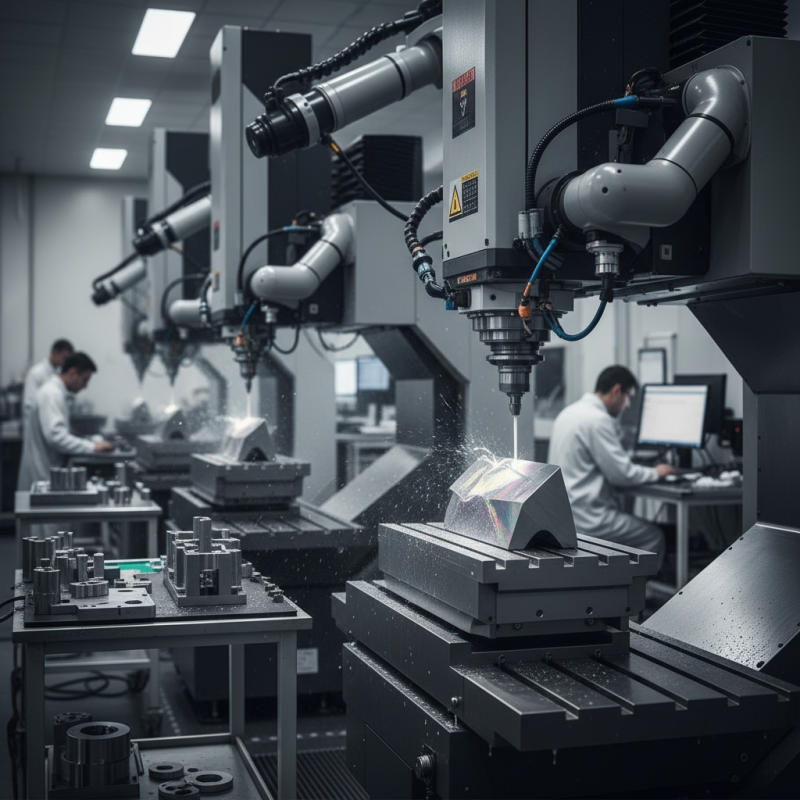
Precision machining faces several technological limitations today. The demand for higher accuracy and faster production puts immense pressure on existing processes. One major challenge is maintaining tight tolerances. Small deviations can lead to significant problems in end products. Additionally, advancements in materials create difficulties for traditional machining techniques, as new alloys often require different tool configurations.
Operators must adapt to these challenges with continuous training. They need to understand the specific material properties and how they affect machining dynamics. Regular maintenance of equipment is crucial as well. Wear and tear can create inconsistencies in precision. Investing in updated tools can mitigate some issues.
Tips: Consider collaborative software tools that facilitate real-time monitoring of machine performance. This can help identify potential issues before they escalate. Encouraging open communication among team members also fosters a culture of problem-solving. Reflecting on past challenges can lead to innovative solutions for future machining dilemmas.
Material properties significantly influence the precision machining process. Different materials respond uniquely to machining techniques. For instance, metals like titanium are challenging due to their hardness. In contrast, softer materials like aluminum are easier to work with but can lead to different precision issues, such as surface finish quality.
Machinists must account for various factors, including cutting speed and tool wear. Some materials generate excessive heat during machining. This heat can alter their properties, potentially resulting in warping or dimensional inaccuracies. Lubrication and cooling methods become crucial in managing these effects.
Moreover, the selection of cutting tools must align with material properties. An inappropriate tool can exacerbate machining challenges. Experience is essential for understanding how to balance these factors. Each machining setup can reveal imperfections that require reflection and adjustment. Managing these challenges is vital for achieving precision in today's machining landscape.
| Challenge | Impact of Material Properties | Proposed Solutions |
|---|---|---|
| Variability in Material Quality | Different grades and properties can lead to unpredictable machining behavior. | Implement strict quality control and supplier audits. |
| Tool Wear and Tear | Material hardness and toughness affect tool lifespan significantly. | Use advanced coatings and materials for tooling. |
| Thermal Expansion | Different materials expand at different rates, affecting precision. | Maintain consistent temperature control in the machining environment. |
| Surface Finish Requirements | Material characteristics dictate achievable surface finish. | Select suitable cutting parameters and tooling for specific materials. |
| Cost Management | High-value materials increase overall machining costs. | Optimize machining processes to reduce waste and enhance efficiency. |
The workforce in precision machining faces critical skill gaps. Many technicians lack the necessary training and experience to operate advanced machinery effectively. As technology evolves, this gap grows wider, creating a demand for skilled operators. Many companies report difficulty in finding qualified candidates. They often invest in training programs but face challenges in retaining talent.
New graduates often emerge from school with theoretical knowledge, yet they struggle in real-world applications. Practical skills are paramount in this precision-driven industry. The reliance on outdated teaching methods contributes to this problem. Instructors may not always have hands-on experience with modern equipment. This disconnect affects the readiness of new professionals entering the field.
Employers need to embrace mentorship and hands-on training. Creating partnerships with educational institutions can bridge this gap. Companies should also consider apprenticeship programs. Investing time and resources in workforce development could yield long-term benefits. The future of precision machining depends on skilled individuals who can adapt to technological advancements. Strengthening the workforce is not just an option; it is essential for survival in this competitive landscape.
Precision machining faces significant challenges, particularly in cost management. According to a recent report by the National Tooling and Machining Association, 68% of precision machining firms cite rising operational costs as a primary obstacle. The prices of raw materials and energy continue to fluctuate, leading to unpredictable budgets. This instability often forces companies to make cuts or increase prices, which can lead to loss of clients.
Economic factors also play a crucial role. Demand in the aerospace and automotive sectors, while strong, drives competition. Companies report needing to invest in new technologies to remain relevant. The same report noted that 55% of firms are investing in automation to improve efficiency. However, these investments require capital that many simply do not have. The challenge then becomes balancing immediate financial pressures with the need for long-term growth.
Additionally, workforce availability poses a challenge. Training skilled laborers consumes time and funds. The Manufacturing Institute reveals that over two million manufacturing jobs could remain unfilled in the next decade. This lack of skilled workers increases operational costs and affects output quality. Companies need to reconsider their hiring strategies and invest in employee development to overcome these challenges effectively.
Regulatory and environmental compliance are critical in precision machining today. Manufacturers face a complex landscape of laws and regulations. These rules often require adherence to safety standards that change frequently. Non-compliance can lead to significant penalties. This creates pressure on companies to stay updated and informed.
Environmental regulations focus on sustainability. Companies must manage waste efficiently. Additionally, they must use materials that meet environmental standards. Finding a balance between performance and compliance is challenging. The push for greener practices adds complexity. It forces manufacturers to rethink their processes and supply chains.
Adopting new technologies can help meet compliance requirements. Automation and data analysis offer solutions, but they come with costs. Many companies struggle to integrate these technologies effectively. There is often resistance to change within teams. Training staff and investing in new systems can be daunting. As the industry evolves, adaptability becomes essential.
: Different materials respond uniquely to machining techniques. Hard materials, like titanium, pose challenges.
Softer materials, such as aluminum, can lead to surface finish quality problems.
Excessive heat can alter material properties, causing warping or dimensional inaccuracies.
Lubrication helps manage heat and reduces wear, essential for ensuring precision.
Rising costs of raw materials and energy create unpredictable budgets, affecting profits.
Many firms lack capital for automation, which is necessary for efficiency and competitiveness.
There may be over two million unfilled manufacturing jobs in the next decade, complicating workforce availability.
Non-compliance with regulations can lead to penalties, requiring companies to stay updated on laws.
Resistance to change among staff and high training costs can hinder effective integration of automation.
As industry demands evolve, manufacturers must adjust processes to remain competitive and compliant.
In today's manufacturing landscape, precision machining faces several significant challenges. One of the primary obstacles is the current technological limitations, which restrict the ability to achieve the desired accuracy and efficiency in machining processes. Furthermore, the properties of materials being machined play a crucial role; varying hardness and thermal characteristics can complicate precision outcomes and tool life.
Another pressing issue is the workforce skill gap, which hinders the industry’s ability to fully utilize advanced technologies and techniques. Alongside these challenges, effective cost management remains essential, as economic factors significantly impact operations and profitability. Finally, adherence to regulatory and environmental compliance further complicates the landscape, as companies must navigate complex requirements while striving for efficiency. Overall, when exploring what are the challenges in precision machining, these factors collectively represent a landscape that demands innovative solutions and strategic planning.

MecMill Precision