How to Improve Precision in CNC Machining for Better Results?

Time:2026-08-01 Author:Ethan
0%

CNC machining has become a cornerstone of modern manufacturing. To excel in this field, achieving high precision is crucial. Renowned industry expert Dr. Michael Grant, a leading figure in CNC technology, emphasizes, "Precision is not just a goal; it’s a requirement." This highlights the importance of understanding how to improve precision in CNC machining.

Precision impacts quality, efficiency, and profitability. Each inch of material must be meticulously crafted. Small inaccuracies can lead to significant defects. Every component, from the machinery to the software, plays a vital role in this process. While many strive for perfection, it remains an elusive target. It's essential to regularly evaluate techniques and tools. Do they truly enhance precision?

Innovations emerge continuously, yet challenges persist. Operators often overlook wear and tear on tools, affecting results. Regular calibration may be dismissed as routine. However, it can dramatically alter output quality. Embracing a mindset of continuous improvement is key. The pursuit of better precision is an ongoing journey in CNC machining.
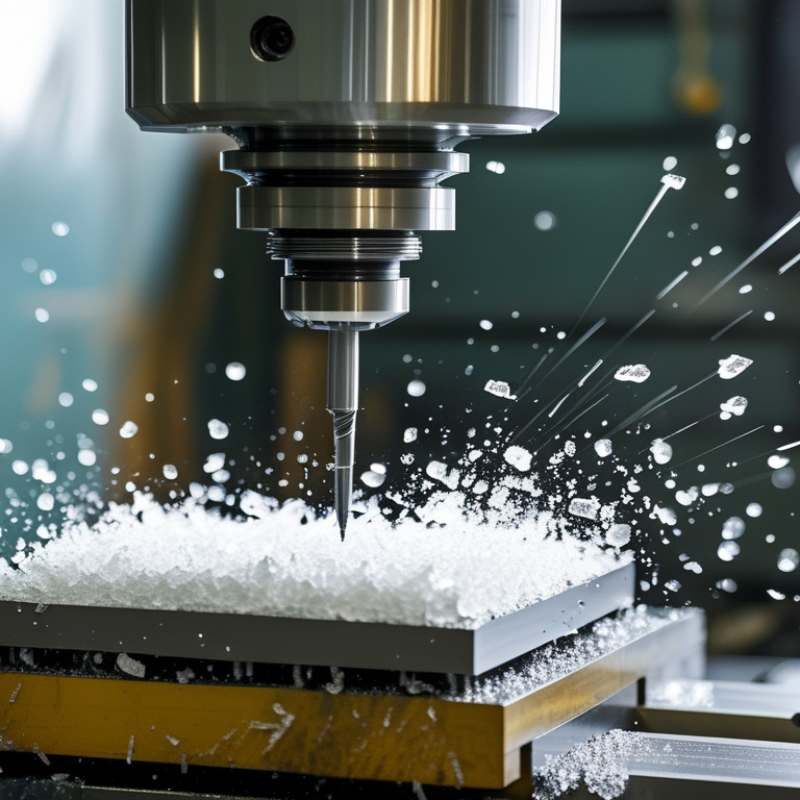
How to Improve Precision in CNC Machining for Better Results?

Understanding CNC Machining and Its Importance for Precision

CNC machining is a crucial technology in modern manufacturing. It enables high-precision production processes that are vital across various industries. A report from the American National Standards Institute (ANSI) states that precision machining can achieve tolerances as tight as ±0.0001 inches. This precision is essential in sectors like aerospace and medical, where even the smallest error can have significant consequences.

Understanding CNC machining’s intricacies is important for improving results. Factors such as tool wear, cutting speeds, and feed rates play a critical role. A study from the National Institute of Standards and Technology (NIST) highlights that optimizing these variables can increase machining accuracy by up to 20%. Yet, many manufacturers overlook regular equipment calibration, which can lead to inconsistencies. Regular checks and updates to machining parameters are necessary.

Despite advancements, challenges persist. The reliance on automation can result in skill gaps. Operators may not fully understand the machinery, leading to vague troubleshooting of issues. Training programs must be developed to enhance operator knowledge. Continuous learning and adaptation are vital to ensure precision is consistently achieved. Overall, the importance of CNC machining in ensuring precision cannot be understated. It is essential for maintaining quality and efficiency in production.

Key Factors Affecting Precision in CNC Machining Processes

Precision in CNC machining is influenced by multiple key factors. One critical element is the choice of tooling. Tool wear can significantly affect the quality of machined parts. According to a study from the National Institute of Standards and Technology, worn tools can lead to dimensional inaccuracies as high as 0.1 mm. Regularly monitoring and replacing cutting tools is essential for maintaining precision.

Another important factor is the calibration of machines. Proper calibration ensures that the CNC machine operates within specified tolerances. A report by the International Journal of Advanced Manufacturing Technology states that a 10% improvement in machine calibration can enhance dimensional accuracy by up to 25%. Insufficient calibration processes can lead to errors that may result in costly rework.

Environmental conditions also play a vital role. Factors like temperature fluctuations can cause material expansion or contraction. This leads to variations in machining results. A study revealed that maintaining temperature control within a ±1-degree Celsius range can reduce machining deviations significantly. Failure to address these conditions may lead to unpredictable outcomes in precision.

How to Improve Precision in CNC Machining for Better Results?

Key Factor Description Impact on Precision (%) Suggested Improvements
Machine Calibration Regular calibration of CNC machines to ensure accuracy. 15% Implement a routine maintenance schedule.
Tool Wear Wear and tear of cutting tools can lead to imprecise cuts. 20% Monitor tool wear and replace tools regularly.
Material Properties Different materials behave differently during machining. 10% Use suitable materials for specific machining processes.
Programming Errors Mistakes in CNC programming can result in inaccurate movements. 25% Conduct thorough code reviews and simulations.
Environmental Factors Temperature fluctuations and humidity can affect machine performance. 5% Maintain a stable environment in the machining area.

Tools and Techniques to Enhance CNC Machining Accuracy

Precision in CNC machining is crucial for achieving high-quality results. One effective technique involves optimizing tooling options. Selecting the right cutting tools can significantly influence accuracy. According to a recent industry report, 20% of machining errors stem from improper tool selection. Tools made from high-quality materials reduce wear and improve cut quality. Specialized coatings can also enhance tool lifespan, allowing for longer machining runs without sacrificing precision.

Another vital factor is machine calibration. Regular calibration ensures machines operate within specified tolerances. Studies show that regular checks can improve accuracy by as much as 15%. Implementing a standardized maintenance schedule is essential. However, many organizations overlook this aspect, leading to precision loss over time. Data from manufacturing surveys reveal that about 30% of CNC users do not perform routine checks, which can severely impact the quality of the final product.

Advanced technologies like real-time monitoring systems are gaining traction. These systems offer immediate feedback during the machining process. They help identify issues before they escalate. A report indicated that companies using such systems experienced a 25% reduction in rework. However, incorporating new technologies can involve a steep learning curve. Training staff effectively is crucial, yet many employers underestimate this need, which can hinder overall precision improvements.

Best Practices for Maintenance and Calibration in CNC Machines

CNC machines require regular maintenance and precise calibration to enhance machining precision. According to a report by the Manufacturing Technology Association, poorly maintained machines can decrease production efficiency by up to 30%. Regular checks on components like spindles and axes can mitigate these issues. Technicians should ensure that all parts are functioning correctly. This attention to detail can lead to significant quality improvements in final products.

Calibration is equally essential. The National Institute of Standards and Technology states that improper calibration can lead to dimensional discrepancies. This can result in parts being out of tolerance by as much as 0.001 inch. Routine calibration checks every few months can catch these errors early. Utilizing precise measuring tools enhances the overall machining accuracy. It’s important to address any deviations promptly. Engaging in better calibration practices can prevent costly rework or scrapped materials.

Ultimately, consistent maintenance and calibration practices build a foundation of reliability. The precision of CNC machining heavily relies on these factors. Machines that are neglected tend to yield inconsistent results. Technicians should always reflect on their maintenance protocols to identify potential gaps. Continuous improvement is vital in ensuring high-quality outputs.

Improving Precision in CNC Machining

Utilizing Advanced Technologies for Improved Precision in CNC Operations

In the dynamic field of CNC machining, precision plays a crucial role. Advanced technologies are transforming how manufacturers approach this challenge. Research indicates that incorporating sensors and automation can enhance precision by up to 30%. The integration of real-time monitoring systems allows for immediate adjustments, reducing error margins.

Moreover, CAD/CAM software has revolutionized design-to-manufacturing processes. This software helps create intricate designs that are difficult to achieve manually. A study by SME revealed that using these advanced tools can reduce production time by up to 50%, directly impacting efficiency and costs. However, not all facilities fully leverage these technologies. Many still rely on outdated methods, risking inconsistencies in their output.

Additionally, training and skill development are essential. Operators must understand both the technology and the machining process. Continuous education can boost precision, but many companies overlook this aspect. Industry reports suggest that a skilled workforce can decrease defects by 20%. Investing in advanced technology is beneficial, but without trained personnel, the potential remains untapped.

FAQS

: How does tool wear affect CNC machining precision?

: Tool wear can cause dimensional inaccuracies, potentially reaching up to 0.1 mm. Regularly monitoring tools is key.

Why is machine calibration important in CNC machining?

Proper calibration keeps machines within tolerances, enhancing dimensional accuracy by up to 25%. Calibration is often neglected.

What role do environmental conditions play in machining accuracy?

Temperature changes can lead to material expansion or contraction, causing machining variations. Maintaining a stable temperature is crucial.

How can tool selection impact machining errors?

Improper tool selection accounts for 20% of machining errors. Choosing high-quality tools can significantly improve accuracy.

What is the importance of routine maintenance for CNC machines?

Regular checks can boost accuracy by as much as 15%. However, many organizations fail to perform these checks consistently.

How do advanced monitoring systems improve precision?

Real-time monitoring provides immediate feedback and helps catch issues early, reducing rework by 25%. Training staff is essential, yet overlooked.

Can poor environmental controls lead to issues in machining?

Yes, neglecting temperature control can cause unpredictable machining results. A slight deviation may lead to significant inaccuracies.

What challenges do companies face when adopting new technologies?

Implementing advanced technologies often requires extensive training. Many employers underestimate this need, impacting precision improvements negatively.

Conclusion

Improving precision in CNC machining is crucial for achieving high-quality results in manufacturing processes. To understand how to improve precision in CNC machining, it is essential to recognize the key factors that influence accuracy, such as machine calibration, tool selection, and environmental conditions. Implementing the right tools and techniques, including advanced cutting tools and software solutions, can significantly enhance the precision of CNC operations.

Additionally, best practices for maintenance and regular calibration of CNC machines play a vital role in maintaining consistent accuracy. Integrating advanced technologies like automation and precision measuring instruments can further optimize performance. By focusing on these aspects, manufacturers can effectively improve precision in CNC machining, leading to superior product quality and operational efficiency.

Ethan

Ethan

Ethan is a seasoned marketing professional with a deep expertise in our company's innovative product line. With a passion for sharing knowledge and insights, he takes the lead in regularly updating our corporate blog, where he explores industry trends, product features, and effective marketing......