When selecting CNC machining services, understanding what factors affect CNC machining accuracy is crucial for global buyers. The precision of machined parts plays a vital role in product performance and overall quality. Many buyers often overlook the significance of material selection, tool wear, and machine calibration. Each of these elements can dramatically influence the end result.
For instance, the choice of material affects how easily a part can be machined and its final dimensional accuracy. Similarly, tool wear can lead to unpredictable results, impacting the reliability of the manufacturing process. Equipment calibration must also be regularly maintained to ensure consistency in production. These factors highlight a common gap in knowledge among buyers, leading to potential oversights that could compromise product integrity.
Navigating these complexities requires a keen understanding of the CNC machining landscape. It involves not only technical expertise but also experience in the assessment of suppliers. Global buyers must reflect on their strategies when engaging CNC services to improve outcomes. With careful consideration, the accuracy of CNC machined components can meet or exceed expectations.
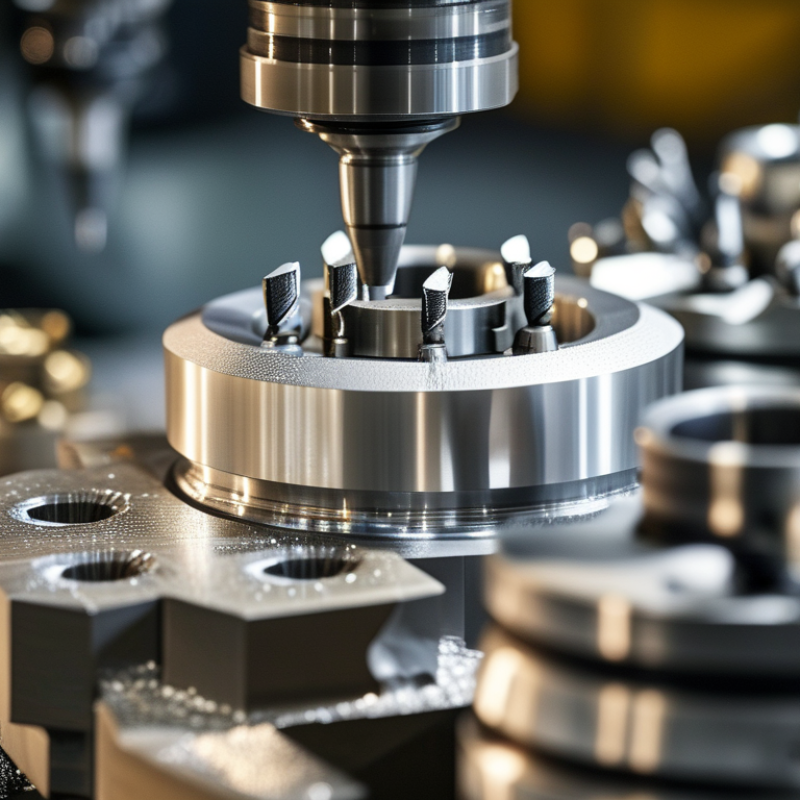
CNC machining accuracy is crucial for global buyers. Various factors play a key role in determining this accuracy. One significant aspect is the machine setup. Incorrect alignment can lead to discrepancies in measurements. The calibration of tools is equally important. A tool that is dull or worn can compromise precision.
Material characteristics also affect machining outcomes. Some materials may react differently under CNC processes. Their hardness and brittleness can lead to challenges in achieving accurate cuts. Additionally, environmental factors like temperature and humidity can influence the stability of machinery and materials.
Skilled operators are essential in maintaining high standards. An experienced technician can optimize settings for different projects. However, even experienced operators can face unforeseen challenges. Continuous training is necessary to adapt to evolving technologies. Buyers must consider these aspects when assessing CNC machining services.
Material selection plays a crucial role in CNC machining accuracy. Various materials exhibit different properties that can influence precision. For instance, metals like aluminum offer great machinability but may warp if not handled correctly. On the other hand, harder materials such as titanium can lead to tool wear and reduced accuracy.
Choosing the right material also impacts the machining process itself. Some materials are more forgiving in terms of tolerances. Others may require stringent conditions to achieve desired results. For example, plastics can be machined quickly but might not hold intricate details as well as metals. Understanding these nuances is key for buyers aiming for the best outcomes.
Surface finish is another crucial aspect affected by material choice. Certain materials achieve better surfaces with less effort. However, mistakes can happen. Misjudging the material's attributes can lead to unwanted results. Even experienced machinists may overlook specific factors, affecting overall precision. Buyers should consider these challenges when evaluating their material options for CNC machining.
| Factor | Description | Impact on Accuracy (%) |
|---|---|---|
| Material Type | Different materials have varying machinability, affecting the final precision. | 15-30 |
| Tool Quality | Higher quality tools reduce wear, leading to improved accuracy. | 20-40 |
| Machine Calibration | Well-calibrated machines ensure consistent machining tolerances. | 25-50 |
| Operator Skill | Experienced operators can minimize errors during machining processes. | 10-25 |
| Environmental Conditions | Temperature and humidity variations can affect material properties and machining precision. | 5-15 |
| Cutting Parameters | Feed rate and cutting speed directly influence the accuracy of the machined part. | 15-35 |
Machine tool calibration and maintenance significantly influence CNC machining accuracy. Regular calibration ensures that the machine operates within specified tolerances. A well-calibrated machine delivers consistent results, reducing the risk of costly errors. However, many facilities overlook this crucial aspect, leading to inaccuracies.
Maintenance is just as vital as calibration. Regular checks on components like spindles, axes, and cooling systems can prevent performance deterioration. Neglecting maintenance can result in irregular wear and tear. These issues often go unnoticed until they begin to affect the final product. Implementing a routine maintenance schedule helps catch potential problems early.
CNC operators should also be trained to recognize signs of wear. They should understand how calibration affects the entire machining process. This knowledge can lead to more informed decisions, enhancing overall accuracy. Monitoring tooling conditions plays a key role as well. A worn tool can compromise precision, resulting in defects. Operator awareness and proactive practices contribute to higher machining accuracy.
CNC machining accuracy heavily depends on tooling and cutting techniques. Precision contributes significantly to overall product quality. According to a report from the International Journal of Advanced Manufacturing Technology, a mere 0.01 mm variance can lead to costly rework. This illustrates the importance of selecting the right tools.
Tooling materials, such as carbide and high-speed steel, influence cutting efficiency. For example, carbide tools offer higher durability, leading to improved machining precision. An industry study found that improper tooling choice can reduce accuracy by up to 20%.
Cutting techniques also play a critical role. Strategies like adaptive control allow adjustments during the process, enhancing precision. However, not all operators utilize these advanced methods. A survey revealed that over 30% of manufacturers still apply traditional techniques, which can harm efficiency. As the demand for precision grows, CNC operators must continually assess their tooling and cutting methods for optimal results.
This chart illustrates the impact of various factors on CNC machining accuracy. The data reflects common industry observations regarding how tooling quality, cutting techniques, and material type contribute to the overall precision of CNC machined components.
Environmental conditions play a crucial role in CNC machining accuracy. Factors like temperature, humidity, and air pressure can significantly affect machining quality. High temperatures might cause materials to expand, altering precision. In contrast, low humidity could lead to static electricity issues that disrupt processes.
Dust and contaminants in the air can also interfere. A clean environment is vital for maintaining tolerances. Sometimes, even small particles can lead to significant deviations in dimensions. It is essential to control these variables to achieve reliable results.
Machine calibration is another aspect often overlooked. Even in optimal conditions, machines must be correctly calibrated. Regular maintenance helps ensure consistent performance. Without proper checks, accuracy may fluctuate, leading to production inefficiencies. So, assessing environmental and machine factors is key to improving CNC machining outcomes.
: CNC machining accuracy is influenced by machine setup, tool calibration, material characteristics, and environmental conditions.
Incorrect alignment can cause measurement discrepancies, leading to decreased machining accuracy and potential project delays.
Materials differ in hardness and brittleness, which affects cutting precision. Some may warp or lead to tool wear.
Experienced operators optimize settings to maintain high standards, but they can still encounter unforeseen challenges.
Temperature and humidity can affect machinery and materials' stability, potentially compromising accuracy during the machining process.
Different materials have varying properties that affect tolerances and outcomes, complicating the machining process based on the chosen material.
Misjudging a material's attributes may lead to unwanted results, such as poor surface finish or loss of detail in cuts.
Evolving technologies require operators to adapt and learn new techniques, ensuring they maintain high accuracy in their work.
Plastics can be machined quickly but may not hold intricate details as well as metals, impacting overall precision.
Buyers should assess machine setup, material properties, operator skills, and potential environmental impacts before making decisions.
The article "What Factors Impact CNC Machining Accuracy for Global Buyers?" explores crucial aspects that influence CNC machining precision in the global marketplace. It delves into **what factors affect CNC machining accuracy**, including the critical role of material selection, which can significantly dictate the final quality of machined components. Additionally, it highlights the importance of machine tool calibration and regular maintenance, showcasing how these practices ensure consistent accuracy over time.
Furthermore, the article examines the impact of tooling and cutting techniques, which can greatly enhance machining precision when tailored to specific tasks. Lastly, environmental conditions, such as temperature and humidity, are discussed for their potential to affect machining quality, underscoring the multifaceted nature of achieving optimal accuracy in CNC machining. This comprehensive understanding is vital for buyers looking to enhance their manufacturing processes.

MecMill Precision