In the realm of precision engineering, understanding "what is the difference between 3 axis and 5 axis machining" is crucial. According to Dr. Emily Carter, a leading expert in CNC technology, "The choice between 3 axis and 5 axis machining significantly impacts the efficiency and accuracy of the manufacturing process." This statement underscores the importance of recognizing the unique advantages of each machining strategy.
3 axis machining operates using three linear movements along the X, Y, and Z axes. This method is effective for simpler geometries but can be limiting for complex designs. Manufacturers appreciate its cost-effectiveness and ease of use. However, it may not always deliver the required precision for intricate components.
In contrast, 5 axis machining incorporates two additional rotational axes. This versatility allows for more intricate shapes and faster production times. Yet, it demands a higher level of skill and investment. Understanding these differences is essential for engineers making production decisions. Each method has its place, and the best choice hinges on specific project requirements and budgets.tools provide capabilities that set them apart, and the decision often invites reflection on trade-offs.
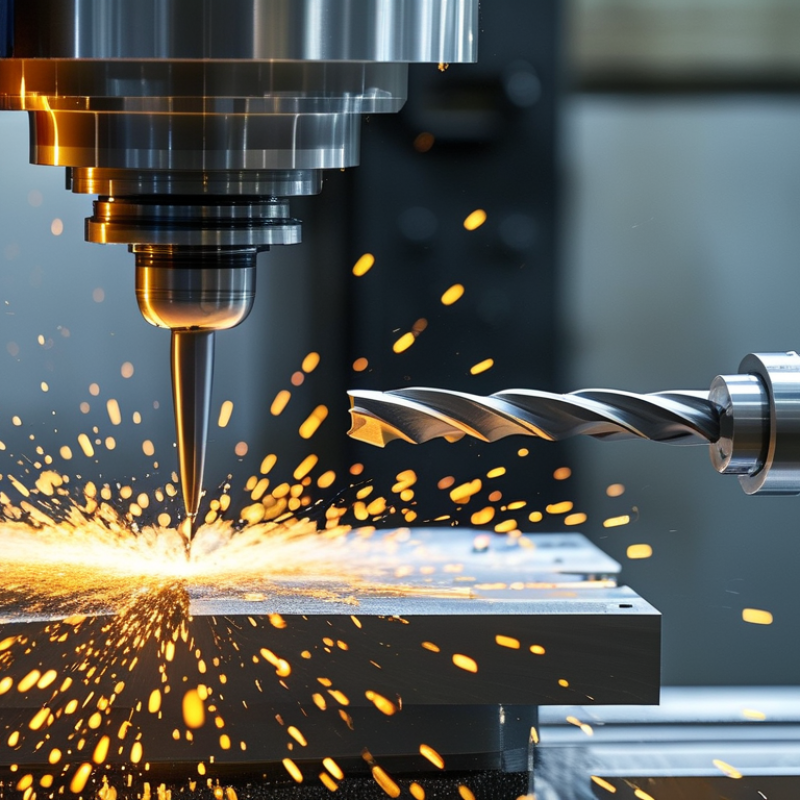
Difference in Movement Capabilities of 3 Axis vs 5 Axis Machining
When comparing 3 Axis and 5 Axis machining, the primary divergence lies in their movement capabilities. A 3 Axis machining center operates along the X, Y, and Z axes. This setup is effective for creating flat surfaces and basic shapes. However, it struggles with complex geometries, which often require multiple setups. According to industry data, about 30% of machining time is wasted on these repositioning tasks, increasing operational costs.
On the other hand, 5 Axis machining offers advanced movement, incorporating two additional rotational axes. This allows the cutting tool to approach the workpiece from virtually any angle. As a result, intricate designs can be completed in a single setup. Studies from the National Institute of Standards and Technology suggest that 5 Axis machines can reduce machining time by up to 50%, leading to higher efficiency.
Despite these advantages, 5 Axis machining also poses challenges. The complexity of programming can lead to errors if not handled properly. Operators require advanced training to utilize the full potential of these machines. The investment cost is significantly higher, making it a topic of debate for many small manufacturers. Balancing between the simplicity of 3 Axis and the efficiency of 5 Axis remains essential for successful production.
What is the Difference Between 3 Axis and 5 Axis Machining?
| Feature |
3 Axis Machining |
5 Axis Machining |
| Movement Axes |
3 |
5 |
| Complex Geometry |
Limited |
High |
| Setup Time |
Shorter |
Longer |
| Tool Accessibility |
Moderate |
Excellent |
| Precision Level |
Standard |
High |
| Material Versatility |
Limited |
Wide |
| Cost |
Lower |
Higher |
Applications and Industries Utilizing 3 Axis and 5 Axis Machining
3-axis and 5-axis machining are used across various industries. These technologies serve different needs in manufacturing. Aerospace and automotive sectors often prefer 5-axis machining. Its ability to create complex geometries makes it ideal for intricate parts. However, 3-axis machining is still widely utilized in simpler applications. It offers efficiency and precision for less complicated designs.
Manufacturers in medical, electronics, and furniture industries also benefit from these machining processes. 3-axis machining is common for producing standard components. For example, housing for electronic devices often relies on this method. Conversely, 5-axis machining shines in bespoke applications, providing versatility and accuracy. Custom implants and aerospace components frequently emerge from this technology.
While both machining types have their strengths, they are not without challenges. 3-axis systems might struggle with depth and angles. This can lead to additional setups or finished parts that lack precision. In contrast, 5-axis machining requires skilled operators and higher initial costs. It is essential to weigh these factors when choosing which technique to employ. Understanding the industry's specific needs is critical to making informed decisions.
Precision and Accuracy: Comparing Results of 3 Axis and 5 Axis Machining
In the realm of precision engineering, understanding the differences between 3-axis and 5-axis machining is vital. 3-axis machining operates on three planes: X, Y, and Z. This is suitable for simple designs but has limitations. It can struggle with complex geometries and often requires multiple setups. A part may need repositioning several times, leading to potential errors.
Conversely, 5-axis machining allows tools to move on five axes simultaneously. This technique enhances accuracy significantly, especially for intricate parts. Complex angles can be achieved without changing the workpiece's position. This results in higher precision and reduces the chance of misalignment. This method is increasingly favored in aerospace and medical industries where precision is non-negotiable.
However, 5-axis machining is not without its challenges. It demands more sophisticated programming and operator skill. Proper training and experience are necessary to maximize its potential. Even seasoned machinists can make mistakes due to the added complexity. As such, an understanding of both methods is crucial for any shop aiming for excellence in machining.
Comparing Precision and Accuracy in 3 Axis vs 5 Axis Machining
This chart illustrates the differences in precision and accuracy between 3 axis and 5 axis machining. The precision in micrometers shows a significant improvement in 5 axis machining, while the accuracy percentage is also higher for 5 axis, indicating its superior capabilities in complex machining tasks.
Cost Analysis: Investment and Operational Costs for 3 Axis vs 5 Axis
When comparing 3-axis and 5-axis machining in terms of cost, it’s essential to analyze both the initial investment and ongoing operational expenses. Generally, 5-axis machines are more expensive. The upfront costs include machine purchase, setup, and CAM software. In contrast, 3-axis machines require a lower initial investment. However, the operational costs can vary significantly.
5-axis machining often leads to shorter cycle times due to its efficiency in producing complex geometries in fewer setups. This can reduce labor costs over time. Conversely, 3-axis machines may need more setups, which increases total production time and labor costs. Therefore, while 3-axis machines seem cheaper initially, their long-term operational costs might offset those savings.
Consider these factors when choosing between the two. Analyze your production volume and the complexity of the parts you intend to machine. For less complex parts, a 3-axis machine might suffice and save you money. For intricate designs, investing in a 5-axis machine could lead to better long-term savings and efficiency. Always ensure you’re making a decision based on your specific needs, capabilities, and production goals. Checking the return on investment for your specific application is crucial as it influences profitability.
Machining Complexity: Part Design Considerations for 3 Axis and 5 Axis
When considering machining complexity, part design is crucial for both 3-axis and 5-axis machining. A study from the Manufacturing Technology Institute indicates that 5-axis machining can reduce setup time by up to 30%. This efficiency is key for intricate designs that involve complex geometries and tight tolerances. In contrast, 3-axis machining might struggle with undercuts and difficult angles, demanding multiple setups. Each setup introduces risks of errors, extending lead times.
The selection between 3-axis and 5-axis machining must reflect the part's design. An analysis from the National Institute of Standards and Technology highlights that over 60% of machinists encounter challenges when dealing with advanced designs on 3-axis systems. Often, part features that are simple on a 5-axis machine become labor-intensive on a 3-axis. This can lead to unanticipated costs and delays. Future considerations involve evaluating material removal rates and potential surface finishes.
Designers must understand these implications. While 5-axis machining offers high precision, it can present a steeper learning curve for operators. This complexity may require additional training and investment in software and fixtures. A thoughtful analysis of these aspects will inform the decision, ensuring efficiency and quality throughout the machining process.
FAQS
: 5-axis machines generally have higher initial investment costs compared to 3-axis machines.
While 3-axis machines are cheaper upfront, 5-axis machines can reduce long-term labor costs due to fewer setups.
Consider production volume and part complexity when deciding between the two machining types.
5-axis machining can reduce setup time by up to 30% for intricate designs versus 3-axis machining.
Machining complex features on 3-axis machines often leads to more setups and potential errors.
Yes, 5-axis machining may require more training and investment due to its complexity.
They should evaluate material removal rates and surface finishes relative to the part's design.
Yes, unanticipated costs and delays can arise from the need for multiple setups in 3-axis machining.
No, it’s crucial to analyze long-term implications and return on investment for specific applications.
Not all; complex parts may require a 5-axis machine to avoid labor-intensive processes and enhance precision.
Conclusion
In exploring what is the difference between 3 axis and 5 axis machining, it is crucial to understand the distinct movement capabilities of each system. A 3 axis machine operates along the X, Y, and Z axes, allowing for straightforward part creation, while a 5 axis machine adds rotational axes, enabling more complex geometries and intricate designs. This added functionality opens up applications across various industries, particularly in aerospace and automotive sectors, where precision and versatility are paramount.
When comparing the precision and accuracy of both machining techniques, 5 axis machining generally yields superior results due to its ability to approach the workpiece from multiple angles, reducing the need for repositioning. However, this enhanced capability comes with higher initial investment and operational costs. Ultimately, the choice between 3 axis and 5 axis machining should consider part design complexity and the specific requirements of the application, ensuring that the selected technology aligns with both budgetary constraints and precision needs.

 MecMill Precision