In the realm of mass production machining, maintaining consistency is crucial. As we approach 2026, the stakes are higher. Industry experts highlight the need for reliable techniques. Mark Thompson, a respected figure in machining, once said, "Precision is the key to efficiency in mass production." This insight underscores the importance of mastering how to ensure consistency in mass production machining.
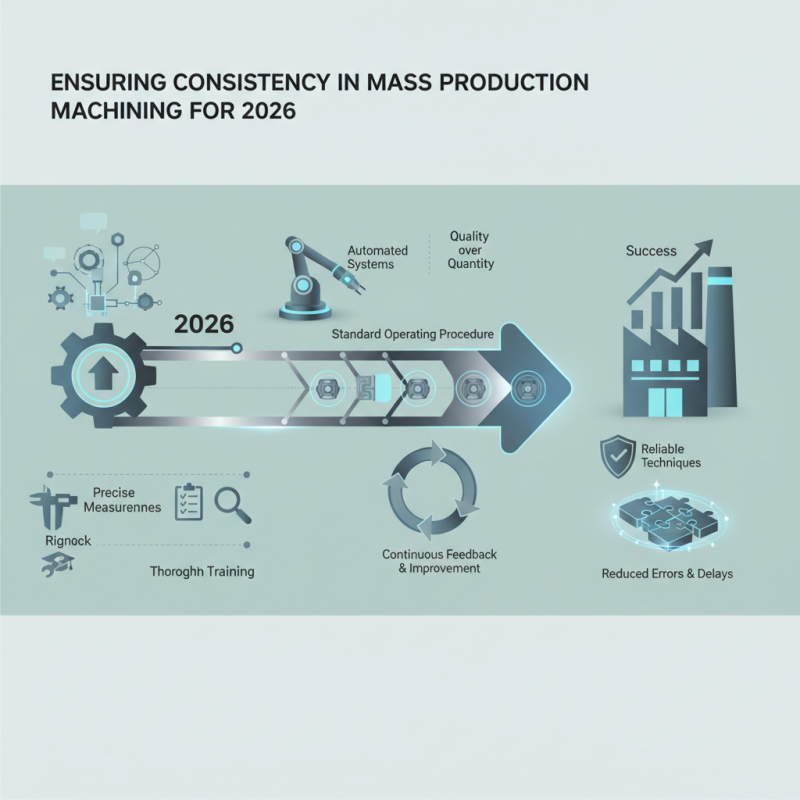
Achieving consistency involves precise measurements, rigorous checks, and thorough training. Each component must meet exact specifications. Variability can lead to costly errors and delays. Conducting frequent audits can help identify potential issues before they escalate. It's vital to implement standard operating procedures across all stages. A small oversight in one area can have a ripple effect.
Companies often benefit from investing in advanced technology. Automated systems can enhance precision and reduce human error. However, technology alone doesn't guarantee success. Continuous feedback and improvement are necessary. Organizations must foster a culture that values quality over quantity. Reflection on current practices can reveal areas needing enhancement. By prioritizing consistency, manufacturers can position themselves for success in the competitive landscape ahead.
Mass production machining techniques are essential for efficiency and quality in manufacturing. Industry reports indicate that approximately 90% of products depend on these techniques for consistent output. These processes range from CNC machining to additive manufacturing, each offering unique advantages. CNC machining provides high precision, which is crucial for parts that must fit together flawlessly.
However, the reliance on automation poses challenges. While automated processes can increase speed, they might also introduce variability. According to a recent survey, nearly 30% of manufacturers have experienced issues that stem from machine calibration errors. It highlights the importance of regular maintenance and strict quality control measures. These practices are vital for ensuring consistent production and meeting strict deadlines.
Additive manufacturing is on the rise, with projections suggesting a growth rate of 25% annually until 2026. This technique allows for complex designs, yet it also requires careful monitoring. Material inconsistencies can lead to defects, which complicate large-scale applications. Companies must balance innovation with quality assurance to maintain reliability in their output. Emphasizing training and expertise in these emerging technologies is crucial for long-term success.
In mass production machining, consistency is crucial. Several factors influence the consistency of machining processes. Variability in machine performance can affect overall precision. Tool wear, for instance, gradually alters the cutting edge, leading to inconsistent dimensions. Regular inspection of tools can help mitigate this issue.
Temperature fluctuations also play a significant role. They can cause materials to expand or contract, impacting the final product. Maintaining a stable environment is essential. This ensures the material behaves predictably during machining.
**Tip:** Invest in temperature control systems to stabilize your workspace.
Another key factor is operator skill. Even experienced machinists can face challenges. Inconsistent application of techniques can lead to disparities in output. Continuous training is vital to enhance skills and knowledge.
**Tip:** Implement regular training sessions to keep your team updated.
Addressing these elements can significantly improve the consistency of machining processes. Challenges may arise, but proactive measures can enhance reliability over time. Engaging with experts can provide fresh perspectives for ongoing improvements.
In mass production machining, quality control measures are crucial for maintaining consistency. According to a 2022 report by the Machining Industry Association, nearly 30% of defects are attributed to poor quality control systems. Implementing systematic checks throughout the production process can significantly reduce this risk. Notably, real-time monitoring systems provide immediate feedback, helping operators address issues before they escalate.
A significant aspect of quality control is the use of statistical process control (SPC). This method helps in identifying variations and ensures that processes remain within set limits. Companies that utilize SPC have reported a 25% reduction in production defects. However, not all companies implement it effectively. Training employees in SPC tools is vital. Without proper knowledge, the benefits may not be fully realized.
Tips: Regular audits can enhance consistency. Establish a schedule to review processes frequently. Foster an environment where feedback is encouraged, and employees feel comfortable reporting anomalies. Additionally, invest in advanced technologies. These can assist in achieving precision while minimizing human error.
In the fast-evolving landscape of manufacturing, consistency in mass production machining is critical. By 2026, advancements in technology are set to revolutionize the way we ensure machining accuracy. For example, data from the International Journal of Advanced Manufacturing Technology suggests that precision machining technologies will improve accuracy rates by 20%. This shift will significantly reduce waste and enhance product quality.
One key area of improvement is the integration of artificial intelligence (AI) in machining processes. AI can analyze real-time data, enabling machines to adapt quickly to changes. This adaptability fosters operational consistency, reducing human error. Regular training for operators on the latest tech updates can maximize these benefits.
Tips: Embrace automation in workflows. It can help minimize variability. Regularly calibrate machines to maintain consistent performance. Even the best tools need routine checks to ensure they operate perfectly. Reflecting on past mistakes is vital. Identifying small errors early can lead to major improvements. By focusing on technology enhancements, the machining industry can move closer to flawless production by 2026.
This chart illustrates the projected improvements in consistency levels during mass production machining from 2024 to 2026, driven by technological advancements.
In the world of mass production machining, the drive for consistency is paramount. The market is shifting towards advanced automation and AI integration. According to a recent study by McKinsey, 80% of manufacturers believe that digital tools will enhance production consistency by 2026. This evolution requires not just adopting technology but understanding its impact on workflows.
Many production lines still face challenges with variability in component quality. An analysis of 500 manufacturers revealed that 30% have inconsistent outputs, often leading to increased waste and production costs. Adopting statistical process control methods is crucial. These methods reduce variability and improve overall product quality. They enable manufacturers to anticipate deviations and adjust processes proactively.
However, there are pitfalls. Relying solely on technology without proper training can create gaps in skill levels among workers. A balance between automation and skilled labor is essential. The future lies in combining human expertise with machine efficiency. Manufacturers must foster a culture of continuous improvement, where feedback loops are essential for refining processes and ensuring consistency.
: Consistency ensures precision in mass production. Inconsistent machining can lead to wasted materials and increased costs.
Several factors include machine performance, tool wear, temperature fluctuations, and operator skill.
Tool wear alters cutting edges over time, leading to varied dimensions in produced parts. Regular inspections help manage this.
They stabilize the environment, preventing material expansion or contraction that affects product outcomes during the process.
Even skilled machinists face challenges. Inconsistent techniques can lead to variability, making continuous training essential.
Advancements like AI analyze real-time data, helping machines adapt to changes and reduce human error.
Embracing automation minimizes variability, but regular calibration of machines is needed for consistent performance.
Sole reliance on technology without training creates skill gaps among workers. Balancing tech and human expertise is crucial.
Creating feedback loops fosters continuous improvement, helping manufacturers refine processes and maintain consistency.
Implementing statistical process control methods can anticipate deviations, improving overall quality in production.
Achieving consistency in mass production machining is crucial for maintaining product quality and optimizing production efficiency. Key factors influencing this consistency include the precision of machining techniques, the stability of the production environment, and the skill level of the operators. To ensure consistency in mass production machining, it is essential to implement robust quality control measures that monitor processes and output, identifying any deviations in real-time.
Additionally, advancements in technology play a significant role in enhancing machining consistency by 2026. Innovations such as automated monitoring systems, AI-driven analytics, and advanced material science are set to redefine best practices in machining. By staying ahead of these trends and continuously refining processes, manufacturers can ensure a high level of consistency in their mass production efforts, ultimately leading to increased reliability and customer satisfaction.
MecMill Precision