What Certifications Do CNC Manufacturers Need for Success?

Time:2026-06-30 Author:Aria
0%

In today's competitive landscape, CNC manufacturers face numerous challenges. To thrive, they must navigate regulations and industry standards effectively. Understanding "what certifications are important for CNC manufacturers" is critical. According to the Precision Machined Products Association, companies with relevant certifications report a 20% higher client satisfaction rate. This statistic underscores the value of proper credentials.

Expert Jim Wagner, a consultant in CNC manufacturing, emphasizes, "Certifications enhance credibility and operational efficiency." He notes that certifications like ISO 9001 and ISO 13485 often lead to better processes and improved product quality. Yet, many manufacturers overlook these certifications, potentially hindering their growth and market advantage.

As the industry evolves, staying informed about certification requirements is vital. Manufacturers must adapt to changing standards to remain competitive. Reflecting on the pivotal role certifications play is essential for long-term success in CNC manufacturing.
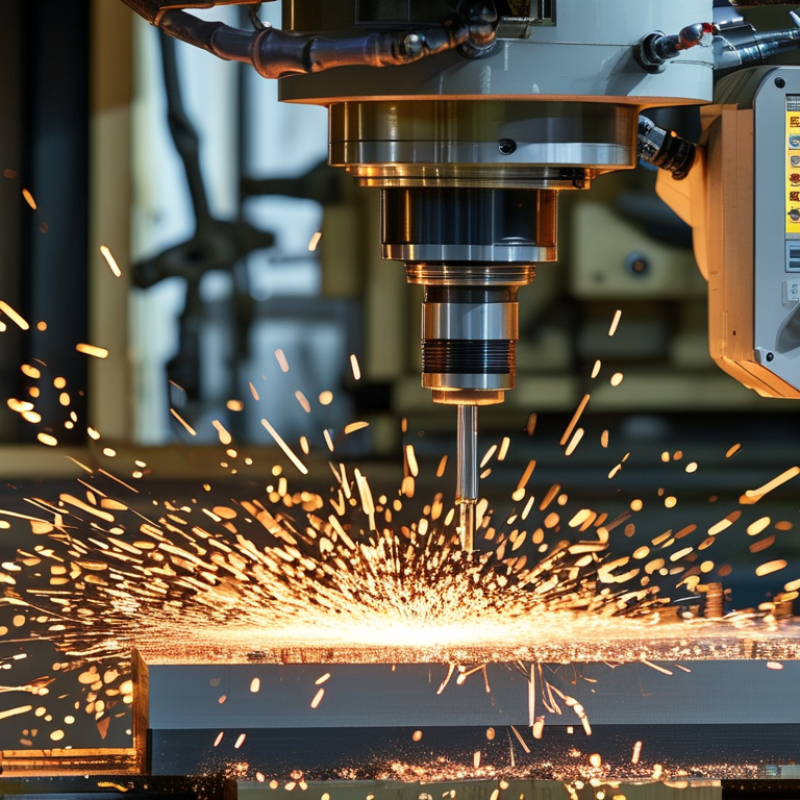
What Certifications Do CNC Manufacturers Need for Success?

Understanding CNC Certifications: An Overview

Understanding CNC certifications is essential for manufacturers aiming to excel in this competitive industry. Certifications validate skills, ensuring that operators possess the necessary expertise to handle complex machinery. Some important certifications include Certified CNC Programmer and Certified CNC Machinist. These credentials focus on the practical and theoretical aspects, offering insights into programming and machining.

Obtaining these certifications requires dedication and practice. Candidates often face challenging examinations that test their knowledge. While hands-on experience is valuable, theoretical understanding also plays a crucial role. A robust grasp of safety protocols is vital. Manufacturers must prioritize training that encompasses both skills and safety standards. The evolving technology in CNC machining also demands continuous learning, as outdated practices can lead to errors.

Manufacturers should not only pursue certifications but also evaluate their relevance to their specific needs. Sometimes, certifications overlook practical work scenarios. Reflecting on whether the training received aligns with daily tasks can be beneficial. This ongoing reflection fosters growth and ensures that skills remain relevant in the fast-paced CNC industry. The journey to mastering CNC is ongoing, requiring continuous commitment and adaptation.

Key Industry Certifications for CNC Manufacturers

CNC manufacturers operate in a competitive field. To stand out, obtaining key industry certifications is crucial. Certifications not only enhance credibility but also demonstrate a commitment to quality and safety. ISO 9001 is an essential certification that focuses on quality management systems. This standard ensures that manufacturers consistently produce products that meet customer and regulatory requirements.

Another important certification is AS9100, which is specific to the aerospace sector. It emphasizes the importance of safety and reliability in production processes. This certification can open doors to lucrative contracts in an industry where precision is paramount. Gaining these certifications can seem daunting, but the benefits far outweigh the challenges.

Tips: Start by assessing the specific certifications relevant to your niche. Each industry has different requirements. Don't overlook the value of employee training in achieving compliance. Continuous learning and adaptation are key to maintaining these certifications and improving processes. Regularly review and update your quality management system. This will help you stay ahead of the competition and address any inefficiencies that may arise.

Importance of Quality Assurance Standards in CNC Production

In the world of CNC production, quality assurance standards are vital. These standards ensure that every component meets or exceeds customer expectations. Manufacturers must adhere to strict guidelines. This includes using precise measurements and following sophisticated machining processes. Small deviations can lead to significant issues, impacting the entire production timeline.

Achieving certification is not just about passing tests; it's about embracing a culture of excellence. Companies often face challenges in maintaining consistent quality. Workforce training plays a crucial role here. Employees need to understand why these standards exist and how to implement them daily. Feedback mechanisms should be encouraged, allowing workers to identify flaws in processes.

Despite these efforts, some manufacturers struggle with compliance. They may overlook minor details that can have serious ramifications. Regular audits can be beneficial but often reveal discomforting truths. This process is not about perfection; it's about striving for improvement. The road to quality is a continuous journey, demanding vigilance and adaptability from all involved.

Regulatory Compliance and Safety Certifications for CNC Operations

In the world of CNC manufacturing, regulatory compliance and safety certifications are crucial. These certifications not only ensure adherence to legal standards but also enhance operational efficiency. According to a recent report by the American National Standards Institute, over 30% of manufacturers faced significant delays due to non-compliance issues. This statistic highlights the importance of maintaining proper certifications.

One critical area of focus is the ISO 9001 certification, which addresses quality management systems. Data suggests that companies with this certification experience a 20% increase in operational efficiency. Additionally, safety certifications, like OSHA standards, greatly reduce workplace accidents. The Bureau of Labor Statistics indicates that industries with stringent safety protocols experience 50% fewer incidents.

Manufacturers often struggle with maintaining up-to-date certifications. Regular audits and employee training can fall by the wayside, leading to lapses. A 2022 industry survey found that 40% of companies admitted non-compliance due to insufficient oversight. This reality emphasizes the need for a dedicated approach to compliance and safety within CNC operations.

Emerging Certifications in CNC Technology and Manufacturing Trends

Certifications in CNC technology are evolving rapidly. As manufacturers strive for success, they must stay updated with new qualifications that enhance skills and improve operational efficiency. Emerging certifications focus on areas like additive manufacturing and advanced machining processes. These skills are essential for adapting to modern production demands.

Tips: Consider seeking training in emerging technologies. This can give CNC workers a competitive edge. Many online courses are available. Review these options to find the best fit.

Being certified in these new areas boosts credibility and demonstrates commitment to quality. Employers look for trained professionals who can operate advanced machinery safely. However, the plethora of certifications can be overwhelming. It’s important to research and choose those that align with one's career goals.

Tips: Network with industry professionals. They can offer insights on which certifications hold the most value. Staying informed about trends in CNC can help avoid wasted time on outdated qualifications.

FAQS

: What are CNC certifications?

: CNC certifications validate skills for operators in the manufacturing industry. They ensure expertise in handling machinery.

What do important CNC certifications include?

Key certifications include Certified CNC Programmer and Certified CNC Machinist. They cover both practical and theoretical knowledge.

Why is hands-on experience important for certification?

Hands-on experience cultivates practical skills. However, theoretical knowledge is necessary for a comprehensive understanding of CNC operations.

How does technology impact CNC certifications?

Evolving technology demands continuous learning. Outdated knowledge can result in errors, making ongoing education crucial.

Should manufacturers evaluate certification relevance?

Yes, certifications should align with specific manufacturing needs. Training may not always reflect real-world scenarios.

What are emerging trends in CNC certifications?

Emerging certifications focus on additive manufacturing and advanced machining processes. They address modern production requirements.

How can I gain an edge in CNC technology?

Seeking training in new technologies can enhance competitiveness. Many online courses are available for skill improvement.

What should I do to choose the right certification?

Research certifications that align with career goals. Networking with professionals can provide valuable insights.

Why is continuous reflection important in CNC careers?

Ongoing reflection fosters growth. It ensures skills remain relevant as the CNC industry evolves.

What challenges do candidates face during certification?

Candidates encounter challenging exams that test both practical and theoretical knowledge. Preparation and dedication are essential.

Conclusion

In the dynamic field of CNC manufacturing, understanding what certifications are important for CNC manufacturers is crucial for ensuring success and competitiveness. This article provides an overview of essential CNC certifications, emphasizing key industry standards that enhance credibility and operational efficiency. It discusses the significance of quality assurance standards in maintaining high production quality, alongside the necessity of regulatory compliance and safety certifications, which are vital for minimizing risks and adhering to industry regulations.

Furthermore, the article highlights emerging certifications driven by advancements in CNC technology and evolving manufacturing trends. These certifications not only bolster a manufacturer's reputation but also reflect a commitment to innovation and excellence in the CNC sector. By prioritizing these certifications, CNC manufacturers can position themselves for sustained growth and success in a rapidly changing marketplace.

Aria

Aria

Aria is a dedicated marketing professional with a deep passion for innovative strategies and a keen understanding of our company's product offerings. With a wealth of experience in the industry, Aria excels at crafting engaging content that highlights the unique features and benefits of our......