CNC machining has become a cornerstone of modern manufacturing, especially for global buyers. The industry will reach a market size of $100 billion by 2025, according to recent reports. Understanding “how does CNC machining work” is essential for companies looking to enhance efficiency and precision.
CNC machining utilizes computer-controlled processes to create parts with high accuracy. It involves various techniques, including milling, turning, and laser cutting. Machines interpret CAD designs and execute complex tasks. This technology not only improves production speed but also reduces human error.
However, the CNC sector faces challenges. The reliance on technology raises concerns about skills gaps in the workforce. Moreover, fluctuating material costs can impact manufacturing budgets. Buyers must navigate these issues carefully. A comprehensive understanding of CNC machining will better prepare businesses to overcome obstacles in this evolving landscape.
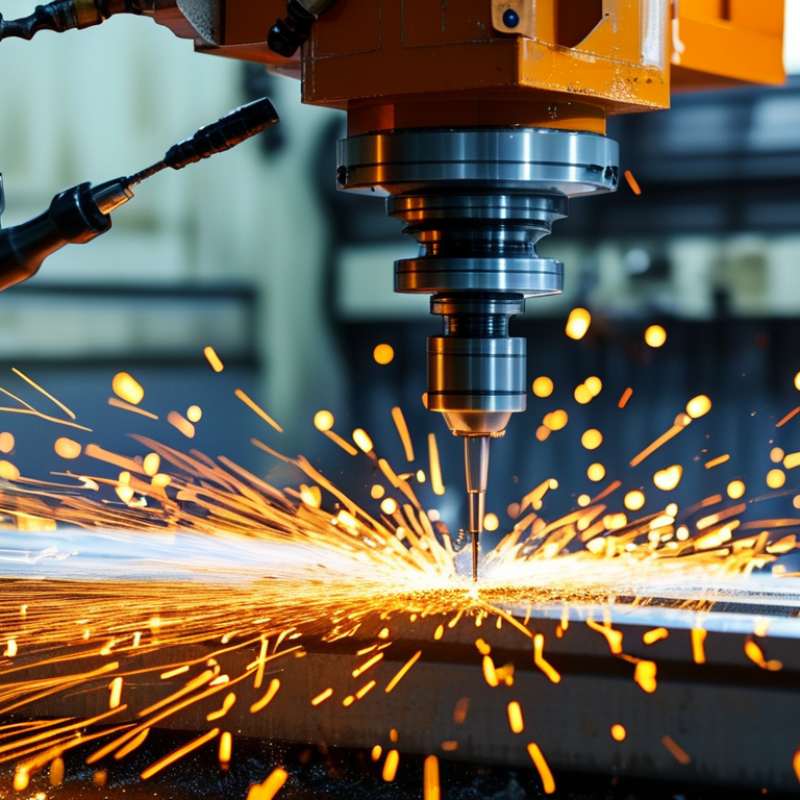
CNC machining stands at the forefront of modern manufacturing. It combines precision engineering with advanced technology to produce complex components. For global buyers, understanding how CNC machining works is crucial. It employs computer-controlled tools to cut, shape, and finish materials such as metal, plastic, and wood.
According to industry reports, CNC machining can achieve tolerances within 0.001 inches. This precision makes it ideal for applications in aerospace, automotive, and medical sectors.
The CNC machining process involves several stages. It starts with CAD design and moves to CAM programming. The machine operator sets up the machinery, ensuring the right tools and materials are in place. Despite its advantages, CNC machining has limitations. For instance, setup time can be extensive, particularly for low-volume production.
Additionally, not all designs are feasible for machining, impacting the overall efficiency.
Reliability in CNC machining relies on both equipment and skilled operators. A 2021 survey indicated that 70% of manufacturers face skills shortages in this field. Training and knowledge transfer are vital to overcoming these gaps. Buyers need to assess their suppliers' capabilities, ensuring they have the expertise and resources necessary for high-quality outcomes.
CNC machining is a process that transforms raw materials into precise components using computer-controlled tools. The process is known for its accuracy and efficiency. In 2021, the global CNC machining market was valued at approximately $63 billion and is projected to grow significantly. This growth stems from rising demands in various industries, including aerospace and automotive. These sectors rely heavily on CNC machining for producing intricate parts with tight tolerances.
Tips: Ensure your designs are optimized for CNC machining. Consider minimizing complex geometries that can increase production costs.
The CNC machining process begins with creating a digital blueprint using Computer-Aided Design (CAD) software. This blueprint is translated into commands for the CNC machine. The machine then cuts, drills, or mills the material layer by layer. A recent study highlighted that over 85% of manufacturers adopt CNC machining for its repeatability and speed, underscoring its importance in modern manufacturing.
Tips: Regularly maintain your CNC machines. Neglect can lead to inaccuracies and unexpected downtime.
Despite its advantages, CNC machining has limitations. For instance, changes to design after production begins can complicate the process and increase costs. Manufacturers should anticipate potential design revisions to mitigate this issue. This proactive approach can enhance overall productivity and reduce waste.
CNC machining relies on several key components that together create a precise and automated manufacturing process. The central element is the CNC controller, which acts like the brain of the machine. It interprets specifications and converts them into commands for the machinery. This process requires detailed programming knowledge, making expertise crucial. A single error in coding can lead to costly mistakes.
Another core component is the machine tool itself, which performs the actual work of cutting or shaping materials. These tools can vary widely based on the application. For instance, lathes are great for cylindrical shapes, while mills serve various angular or flat geometries. The choice of tool significantly impacts the final product's quality and precision.
Additionally, the workpiece fixture holds the material securely in place. An unstable fixture can cause vibrations, leading to inaccuracies. Buyers must consider how these components interact. An understanding of the system as a whole is vital for successful machining. Misalignment in any part can lead to inefficiencies. Keeping this in mind ensures a more reliable operation in CNC machining.
CNC machining has transformed the landscape of international trade. It offers precision manufacturing, which is vital for global buyers seeking high-quality components. According to a report by MarketsandMarkets, the CNC machining market is projected to reach $88.5 billion by 2026, growing at a CAGR of 6.98%. This growth indicates a robust reliance on CNC technology in various sectors.
One significant benefit of CNC machining is its efficiency. Manufacturers can produce complex parts faster than traditional methods. A survey from the American Machine Tool Distributors' Association found that companies using CNC machines reported a 30% increase in productivity. However, there are challenges. The initial investment costs for high-end CNC machines can be steep. Smaller businesses may struggle to compete, which raises questions about equity in access to technology.
Additionally, CNC machining provides flexibility. When requirements change, CNC machines can be reprogrammed quickly. This adaptability is particularly essential in a global market where consumer demands shift rapidly. On the flip side, not every manufacturer has the expertise to fully utilize these machines. A gap in skills can lead to inefficiencies, putting pressure on companies to invest in training. Thus, while CNC machining offers many advantages, it also poses hurdles that international buyers must navigate.
CNC machining stands out as a cornerstone for various industries due to its precision and efficiency. Particularly in the automotive sector, it shapes components with an accuracy of up to 0.01 millimeters. A report from the International Federation of Robotics highlights that CNC machines are extensively used for creating engine parts, transmission systems, and chassis components, contributing to 27% of the industry's machinery needs.
In the aerospace industry, CNC machining plays an equally critical role. It fabricates intricate parts like turbine blades and structural components. According to data from the Aerospace Industries Association, the global aerospace CNC market is projected to grow by 5.2% annually through 2026. However, challenges persist. The need for specialized skills can sometimes create bottlenecks in production.
Moreover, the medical field increasingly relies on CNC machining for manufacturing high-precision instruments and implants. The demand for customized medical solutions is rising, yet many manufacturers face hurdles in adapting existing machines to meet these needs. Research indicates that 40% of medical device companies report difficulties in scaling production effectively. Such statistics highlight ongoing gaps in technology and training within the industry.
| Industry | Common Applications | Materials Used | Precision Level |
|---|---|---|---|
| Automotive | Engine components, brackets, custom fittings | Aluminum, Steel, Plastic | ± 0.01 mm |
| Aerospace | Structural components, turbine blades | Titanium, Composite materials | ± 0.005 mm |
| Medical | Surgical instruments, implants | Stainless Steel, Biocompatible plastics | ± 0.001 mm |
| Electronics | Casing, connectors | Aluminum, Plastic | ± 0.01 mm |
| Consumer Goods | Custom fixtures, tools | Wood, Plastic, Metal | ± 0.02 mm |
: The CNC controller acts like the brain of the machine, interpreting specifications and converting them into commands.
The tool significantly impacts quality and precision. Different tools work best with specific applications, like lathes for cylindrical shapes.
A secure fixture prevents vibrations that can lead to inaccuracies during machining, ensuring the part is shaped correctly.
CNC machining provides precision manufacturing, essential for global buyers needing high-quality components efficiently.
Companies using CNC machines reported up to a 30% increase in productivity compared to traditional methods.
The high initial investment costs for CNC equipment can make it difficult for smaller businesses to compete effectively.
Yes, CNC machines can be quickly reprogrammed to meet new requirements, which is vital in a fast-changing market.
Companies must ensure that their team has the necessary skills to operate CNC machines effectively to avoid inefficiencies.
Understanding how all components interact is vital; misalignment or a lack of knowledge can lead to issues.
Detailed programming knowledge is needed because a single error can result in costly production mistakes.
CNC machining is a crucial manufacturing process that leverages computer-controlled machines to produce precise components from various materials. To understand how does CNC machining work, one must comprehend its essential phases, including design, programming, and execution. Initially, a Computer-Aided Design (CAD) model is created, followed by translating this design into G-code, which directs the CNC machine's movements. The key components consist of the controller, motors, and cutting tools, all working in tandem to achieve high precision and efficiency.
For global buyers, the benefits of CNC machining are significant, enhancing international trade by facilitating the production of complex parts with minimal waste and reduced lead times. This technology finds applications across numerous industries, including aerospace, automotive, and healthcare, showcasing its versatility and importance in modern manufacturing. As global demand for high-quality precision parts rises, understanding how does CNC machining work becomes essential for buyers seeking reliable manufacturing solutions.

MecMill Precision