CNC machining is a vital process in modern manufacturing. However, issues often arise during production. Understanding what are common defects in CNC machining is essential for engineers and manufacturers. Defects can lead to significant delays and increased costs. They can compromise the quality of the final product.
Common defects include poor surface finish, dimensional inaccuracies, and tool wear. Each defect has its causes. For instance, improper tooling can lead to rough finishes. Additionally, worn or damaged tools may produce parts that do not meet specifications. These issues highlight the need for regular maintenance and careful monitoring of equipment.
Addressing these challenges requires expertise. A systematic approach to identifying and mitigating defects is paramount. Effective training for operators can minimize mistakes. Attention to detail can enhance outcomes. By reflecting on these common issues, manufacturers can foster improvements. Ultimately, preventing defects not only ensures quality but also builds trust with clients.
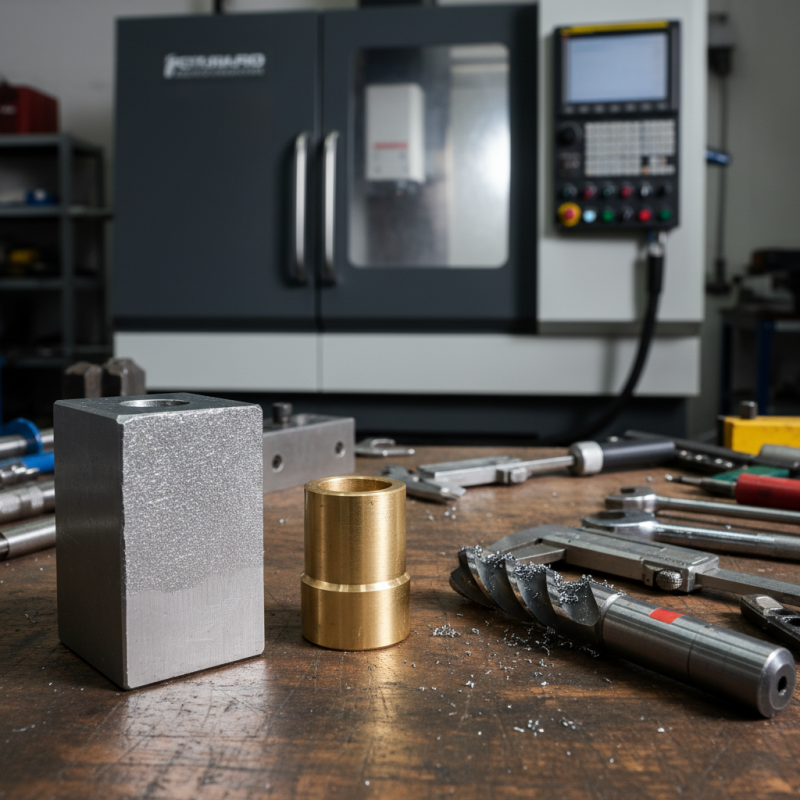
CNC machining defects can significantly impact production quality. Understanding the common types of defects can help manufacturers improve their processes. One prevalent issue is dimensional inaccuracy. This occurs when the final product does not match the specified measurements. Tight tolerances make this problem more frequent. Regular calibration of CNC machines is essential to mitigate this risk.
Another critical defect is surface finish issues. A poor surface finish can result from incorrect tool selection or machining parameters. This can lead to increased friction and wear in assembly. Operators should ensure proper tooling and settings. Regular inspections can help identify these surface imperfections early on.
Chip control problems can also arise during machining. Improper chip removal can cause tool wear and damage. Using the right coolant and maintaining proper feeds and speeds helps manage chips effectively. Ignoring this can lead to costly downtime and rework. Continuous training and awareness of these defects can enhance overall machining quality and efficiency.
CNC machining defects often stem from various underlying issues. Identifying these causes is essential for quality production. One common issue is tool wear. A dull cutting tool can lead to inconsistencies in dimensions and surface finish. Regularly inspecting and replacing tools can mitigate this risk. Operators must remain vigilant about the condition of their equipment.
Another factor is improper setup. Incorrect alignment of the workpiece or tooling can cause misalignment, resulting in defects. Using precise measuring tools during setup helps ensure accuracy. Additionally, programming errors can lead to defects. Even minor mistakes in CNC code can produce significant issues. Double-checking programs before execution is crucial to avoid wasting materials.
Material quality also impacts machining outcomes. Using subpar or incorrectly specified materials can lead to failures. Operators should ensure that the materials meet the required specifications for the process. Environmental factors, such as temperature and humidity, can also affect machining. Controlling the workspace conditions can significantly enhance the manufacturing process. Recognizing these underlying issues is vital to improving CNC machining quality.
CNC machining defects can significantly impact production quality. Understanding how to prevent these issues is crucial for maintaining efficiency. Adopt best practices to minimize errors and enhance output.
Regular maintenance is vital. Ensure that machinery is calibrated correctly to avoid misalignments. This simple step increases precision. Operators should receive ongoing training to stay updated on techniques and tools. Knowledge gaps can lead to mistakes.
Encourage open dialogue about issues faced during machining to foster a problem-solving culture.
Utilize proper tooling for each project. Using the right tool can prevent surface defects and extend tool life. Implementing a robust inspection process can catch defects early. Visual checks and measurements should be routine. Considerations like workspace cleanliness also matter. Dust and debris can lead to errors. Encourage a tidy environment for better machining results.
Emphasize the importance of feedback after each job, reflecting on outcomes to drive continuous improvement.
In CNC machining, quality assurance is paramount. The precision of machined parts directly influences the overall performance of mechanical systems. Reports indicate that up to 30% of production issues arise from defects such as dimensional inaccuracies or surface finish flaws. Regular inspections can significantly mitigate these risks, ensuring that products meet stringent quality standards.
In practice, implementing systematic inspections at various stages is crucial. For instance, utilizing Coordinate Measuring Machines (CMM) can enhance measurement accuracy. A study revealed that companies that employed real-time feedback systems reduced defect rates by 25%. However, the effectiveness of inspections relies on the skill of the inspector and the adequacy of the tools used. If an inspector neglects details, even the best equipment cannot guarantee quality.
Furthermore, documentation plays a vital role in maintaining quality. Tracking inspection data allows for patterns to emerge, revealing recurring defects. Companies, however, often overlook this, leading to missed opportunities for process improvement. By fostering a culture focused on thorough inspections and continuous learning, manufacturers can better prevent common CNC machining defects and enhance product integrity.
| Defect Type | Description | Causes | Prevention Methods |
|---|---|---|---|
| Dimensional Tolerance Issues | Parts do not meet specified size and shape tolerances. | Machine misalignment or tool wear. | Regular calibration of machines and tools. |
| Surface Roughness | Unwanted surface textures that affect aesthetics and function. | Improper cutting tools or feed rates. | Use of appropriate tools and optimized cutting parameters. |
| Tool Wear | Deterioration of cutting tools leading to poor quality. | Extended machining cycles without maintenance. | Implement scheduled tool inspections and replacements. |
| Chips and Burrs | Unwanted material remnants on the finished part. | Incorrect cutting speeds or feeds. | Proper setup of machine parameters and cleaning methods. |
| Residual Stress | Internal stresses in the material affecting performance. | Rapid cooling or uneven machining. | Controlled cooling processes and stress-relief techniques. |
CNC machining defects can be frustrating for manufacturers. Recognizing these issues early can save time and resources. A common defect is dimensional inaccuracy. This often occurs due to tool wear or improper setup. Regularly check tooling and calibrate machines to minimize these errors.
Another prevalent issue is surface roughness. A rough finish can stem from incorrect feed rates or spindle speeds. Review the machining parameters before starting a new job. Sometimes, a simple adjustment can significantly enhance surface quality. Pay close attention to the material being machined, as some require different settings.
Addressing defects involves a systematic approach. Start by identifying the issue through inspection. Utilize measuring tools to assess dimensions. If a defect is found, trace back through the production process. Evaluate each step critically. Document findings and changes made. Continuous improvement relies on reflection and adaptation to ensure higher quality in future jobs.
: Regular maintenance and calibration of machinery are essential. Ongoing training for operators helps keep techniques updated.
Systematic inspections catch defects early. Using precise tools increases measurement accuracy and reduces production issues.
Tracking inspection data reveals patterns in defects. This information can lead to significant process improvements.
Tool wear and improper setup often lead to dimensional inaccuracies. Regular checks on tooling can help prevent these issues.
Surface roughness can result from incorrect feed rates or spindle speeds, affecting the final product quality.
A clean workspace reduces dust and debris, which can lead to machining errors. Encourage tidiness for better results.
Feedback after each job helps identify issues and drives continuous improvement. Reflection is critical for future success.
Identify defects through inspections. Document findings and adaptations to ensure higher quality in future jobs.
The effectiveness of tools heavily relies on the inspector's skill level. Neglecting details can lead to overlooked defects.
Review machining parameters like feed rates and spindle speeds. Sometimes, small changes can make a big difference.
CNC machining is a critical manufacturing process that can often encounter various defects. Understanding what are common defects in CNC machining is essential for maintaining product quality. Common issues include dimensional inaccuracies, surface roughness, and tool wear, which can arise from improper setup, incorrect tool selection, or inadequate machine maintenance.
To mitigate these defects, it is crucial to implement best practices such as regular equipment inspections and proper calibration. Quality assurance plays a vital role, emphasizing the importance of thorough inspections throughout the machining process. Additionally, having a structured troubleshooting process helps in effectively resolving defects when they occur, ensuring continuous improvement in production quality. By being proactive in identifying potential causes and applying prevention strategies, manufacturers can significantly reduce the likelihood of defects in their CNC machining operations.

MecMill Precision