How to Maintain CNC Machines for Long Term Performance?

Time:2026-05-09 Author:Sophia
0%

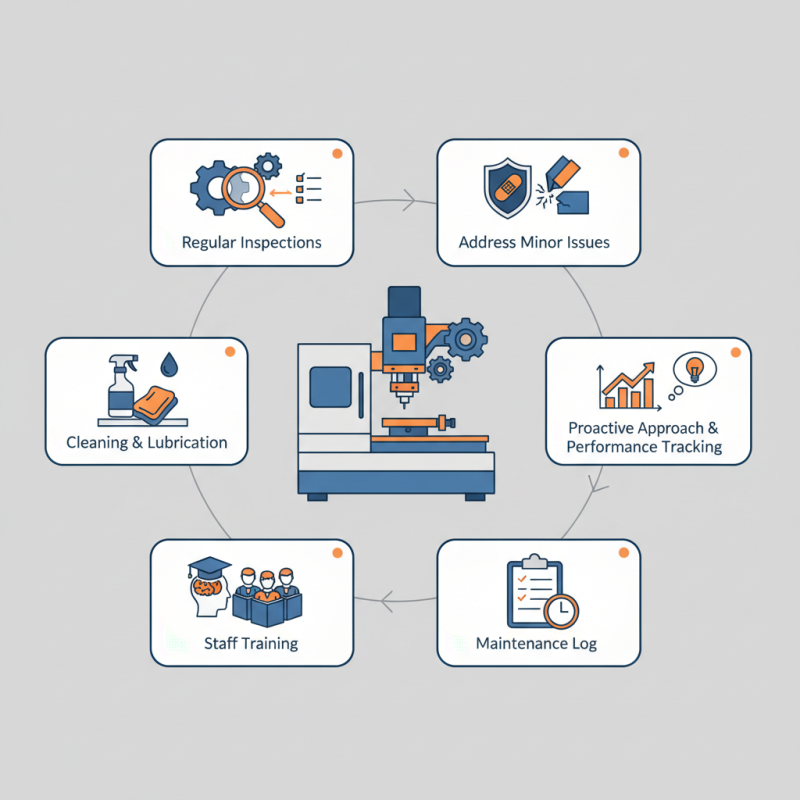
Maintaining CNC machines is crucial for their optimal performance over time. The question often arises: how to maintain CNC machines for long term use? Proper maintenance can prevent costly downtimes and extend equipment life. Each part of a CNC machine plays a vital role. Regular inspections help identify issues before they escalate.

Many operators overlook routine tasks. Cleaning and lubrication should not be neglected. The accumulation of dirt can lead to malfunctions. Proper training on maintenance procedures is essential for staff. An educated team can enhance the longevity of equipment.

Ignoring minor issues can lead to significant problems. Keeping an accurate maintenance log is beneficial. It helps track performance and anticipate needs. Eventually, a proactive approach identifies patterns. It ensures that CNC machines operate at peak efficiency for years to come.
How to Maintain CNC Machines for Long Term Performance?

CNC Machine Maintenance: Understanding the Importance of Regular Checks

Maintaining CNC machines is crucial for long-term performance. Regular checks can prevent costly downtime. According to a recent industry report, machines that undergo consistent maintenance can last up to 30% longer than those that do not. This shows the significant impact of routine care.

CNC machines experience wear and tear. Ignoring maintenance can lead to significant failures. A survey revealed that 40% of machine breakdowns are preventable with proper upkeep. Daily inspections are essential. Operators should watch for unusual noises or vibrations. These signs can indicate underlying issues that need attention.

Additionally, lubrication is vital. Reports suggest that improper lubrication can lead to a 50% increase in machine failure rates. Regularly check fluid levels and replace fluids based on the manufacturer’s recommendations. Tracking maintenance schedules can help identify patterns. Over time, trends may show recurring issues that require deeper investigation. Embracing a proactive approach to maintenance nurtures machine longevity.

Establishing a Scheduled Maintenance Program for CNC Machines

A scheduled maintenance program for CNC machines is crucial for enhancing their long-term performance. Studies show that regular maintenance can reduce downtime by up to 30%. This translates not only to increased productivity but also to significant cost savings. Establishing a routine inspection schedule ensures that potential issues are caught early.

One effective way to implement a maintenance program is through checklists. These lists can cover essential elements such as lubrication, alignment, and tooling inspection. A report from the Manufacturing Industry Group indicates that 70% of machine failures result from inadequate maintenance. Regular checks and follow-up procedures can identify wear and tear before they lead to major breakdowns.

Moreover, documenting maintenance activities is critical. Maintaining a log helps in tracking patterns and identifying recurring issues. This practice is urged by industry specialists who emphasize the value of data-driven decisions in maintenance strategies. While it is tempting to overlook minor issues, remember that neglect can spiral into larger, more costly repairs. A proactive approach will lead to a longer lifespan for your CNC machines and enhances overall operational efficiency.

Key Components in CNC Maintenance: Lubrication, Calibration, and Cleaning

CNC machines are complex and require regular maintenance. Lubrication is essential for preventing wear and tear. Using the right type of lubricant helps keep moving parts functioning smoothly. Additionally, applying lubricant at the right intervals can prolong machine life. Neglecting this can lead to increased friction and eventual breakdown.

Calibration is another critical aspect of CNC machine maintenance. Regularly checking precision ensures that parts are produced to exact specifications. An uncalibrated machine can result in costly errors. It’s crucial to develop a routine calibration schedule. Over time, even minor deviations can accumulate, affecting the quality of the output.

Cleaning is often overlooked but just as vital. Dust and debris can damage sensitive components. Establish a cleaning routine that includes wiping down surfaces and vacuuming mechanical parts. However, avoid harsh chemicals that can cause corrosion. Regular maintenance requires a balanced approach. It’s easy to miss details, leading to bigger issues down the road. Paying attention to these key components helps maintain long-term performance of CNC machines.

Utilizing Predictive Maintenance Techniques to Enhance Machine Longevity

Predictive maintenance techniques play a crucial role in enhancing the longevity of CNC machines. By analyzing data from various sensors, we can detect patterns that indicate potential failures. This proactive approach reduces downtime and lowers maintenance costs. For example, monitoring vibration levels can reveal wear on components before a complete breakdown occurs. Regularly updating software can also yield insights into machine health.


Implementing predictive maintenance requires a certain level of commitment. It demands the integration of IoT devices and software platforms capable of gathering and analyzing data. It is not foolproof; false positives can lead to unnecessary interventions. However, the rewards often outweigh the risks when done correctly. Training staff to interpret data is essential. A well-informed team will better utilize predictive maintenance strategies.


Creating a culture of continuous improvement is vital. Actively reviewing maintenance data can uncover hidden issues. As machines provide feedback, there may be unanticipated signs of wear. Encourage operators to report anomalies, as their experience can offer valuable insights. While predictive maintenance is a powerful tool, it is only as reliable as the commitment to data integrity and interpretation.

Training Operators: Best Practices for CNC Machine Care and Usage

Proper training for CNC machine operators is essential for longevity and optimal performance. According to a report from the National Association of Manufacturers, effective training can increase productivity by up to 20%. This highlights the importance of instilling best practices from the beginning. Operators must understand the intricacies of machine setup, tool selection, and maintenance schedules.

Hands-on training is crucial. Visual aids, practical workshops, and simulation exercises should be part of the curriculum. Regular training refreshers can help maintain a high skill level. Additionally, operator feedback is vital. Encourage operators to share their experiences and insights. This creates a culture of continuous improvement.

Many operators overlook daily maintenance checks. A study found that 30% of machine failures are due to neglecting basic upkeep. Simple actions like cleaning and lubricating components can prevent major repairs. Inspecting tools before use can also minimize errors. The right training ensures that operators understand the significance of these tasks. Knowledge leads to better habits, which in turn leads to longer machine life.

Operator Training Impact on CNC Machine Performance

This bar chart illustrates the impact of operator training on CNC machine downtime. As operator training improves from no training to advanced training, the hours of machine downtime significantly decrease, highlighting the importance of ongoing education and best practices in CNC machine care.

FAQS

: Why is a scheduled maintenance program important for CNC machines?

: It enhances long-term performance and reduces downtime by up to 30%.

How can checklists help in a maintenance program?

Checklists ensure essential tasks like lubrication and tooling inspection are completed regularly.

What percentage of machine failures are due to inadequate maintenance?

Studies show that 70% of failures result from poor maintenance practices.

Why is documenting maintenance activities important?

It tracks patterns and helps identify recurring issues for proactive management.

What is predictive maintenance?

It uses data analysis from sensors to detect potential machine failures early.

How can monitoring vibration levels benefit CNC machines?

It reveals wear on components before total breakdown, reducing downtime.

What are the risks of predictive maintenance?

False positives can lead to unnecessary repairs, so accuracy is crucial.

How should staff be trained for predictive maintenance?

They should learn to interpret data effectively to maximize maintenance strategies.

What role does operator feedback play in maintenance?

Operators can report anomalies, providing valuable insights into machine health.

How can neglecting minor issues affect CNC machines?

It may lead to larger, costlier repairs and reduced machine lifespan.

Conclusion

Maintaining CNC machines for long-term use is crucial for ensuring their optimal performance and longevity. Regular maintenance checks are essential, encompassing lubrication, calibration, and cleaning, which collectively help prevent breakdowns and extend the machines' operational life. Establishing a scheduled maintenance program can streamline these tasks, allowing for systematic oversight of the machine’s condition.

Implementing predictive maintenance techniques can further enhance the longevity of CNC machines by allowing operators to anticipate and address potential issues before they escalate. Additionally, training operators in best practices for caring for and using CNC machines is vital, as knowledgeable personnel can significantly contribute to the machines' efficient operation and upkeep. By understanding how to maintain CNC machines for long-term use, organizations can optimize their investments and ensure continuous productivity.

Sophia

Sophia

Sophia is a dedicated marketing professional with an exceptional depth of knowledge about her company's products and services. With a keen understanding of market trends and customer needs, she crafts insightful blog posts that not only inform but also engage readers, enriching the company’s online......