Understanding "what is the lifespan of CNC machined components" is crucial for buyers. According to Dr. Alan Moore, a leading expert in precision manufacturing, “The lifespan can vary based on material, environment, and usage.” His insight emphasizes the importance of considering various factors that influence durability.
CNC machined components are integral to many industries. Their lifespan can span from a few months to several years, depending on the application. High-quality materials can enhance durability but are often more expensive. Buyers must weigh these costs against expected performance.
Factors like workload, maintenance, and environmental conditions also play significant roles. Some components might fail prematurely, causing downtime and increased costs. It is essential to evaluate not only the component's quality but also how it will be used in real-world situations. This reflection can lead to better decision-making in selecting CNC machined parts.
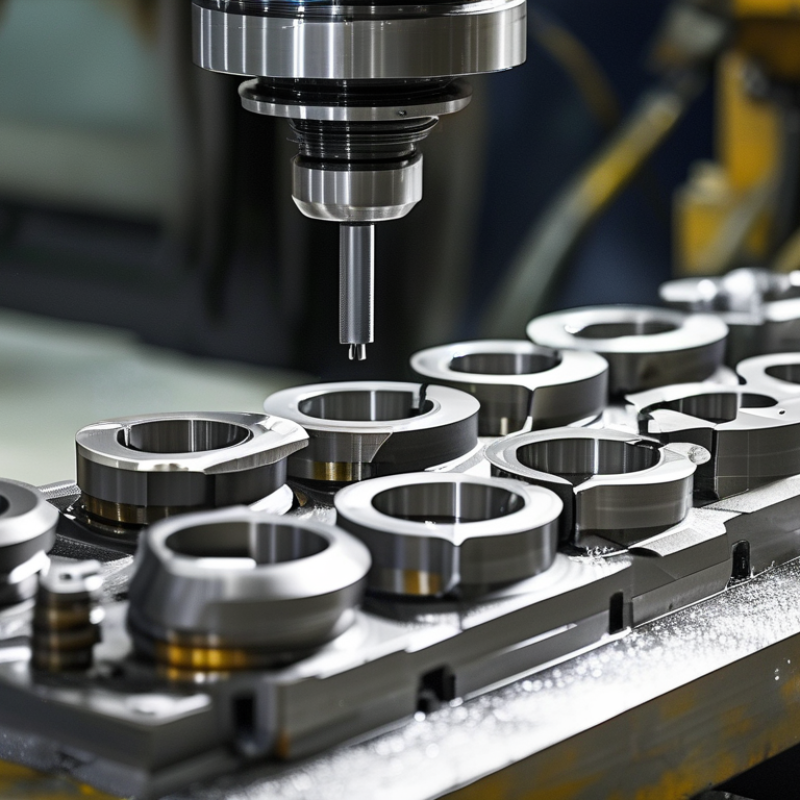
When considering CNC machined components, several factors significantly influence their lifespan. Material selection is crucial. Different materials exhibit varying resistance to wear and fatigue. Metals like stainless steel tend to have a longer lifespan compared to softer alloys. Understanding the right material for your application can enhance durability.
The machining process also plays a pivotal role. Precision and technique impact the integrity of the component. Poor machining can lead to micromaterial defects that shorten lifespan. Attention to detail in this phase is essential. Operators should monitor machining parameters closely to ensure optimal results. Each minor adjustment can have lasting consequences.
Environmental factors are often overlooked. Temperature fluctuations and exposure to harsh conditions can expedite wear. Components operating in extreme environments may require additional protective coatings. Evaluating the operating conditions is vital for longevity. Emphasizing preventive measures can lead to better performance. Reflecting on past projects can provide insights, revealing areas for improvement in future applications.
This chart illustrates the various factors affecting the lifespan of CNC machined components, which include material quality, machine precision, operational conditions, and maintenance practices.
When selecting materials for CNC machined components, durability and performance are critical factors. Materials like aluminum, steel, and titanium offer distinct benefits. For instance, aluminum is lightweight and corrosion-resistant, making it great for aviation components. Steel, on the other hand, is strong and cost-effective, ideal for automotive applications. According to a study published by the American Institute of Manufacturing Scientists, component lifespan can increase by 30% when high-quality materials are used.
Tip: Always analyze the operating environment of the component. Factors like temperature, humidity, and exposure to chemicals can significantly affect material selection.
Different materials have unique machining properties. Titanium is both lightweight and high-strength but is more difficult to machine, which affects costs. The right choice can lead to efficient production cycles and minimize waste. In contrast, certain plastics can be machined with less complexity, but they may not offer the same durability.
Tip: Evaluate the balance between performance and cost when choosing materials. Sometimes, a less expensive option can result in higher long-term expenses due to a shorter lifespan.
Understanding the interplay between material properties and intended use is crucial. Each project demands careful thought. Reflect on past decisions, and consider whether material choices met performance expectations. A thoughtful selection process can lead to significant improvements in both component lifespan and performance.
| Material Type | Durability Rating (1-10) | Common Applications | Approximate Lifespan (Years) | Cost per kg ($) |
|---|---|---|---|---|
| Aluminum | 7 | Aerospace, Automotive | 15 | 3.00 |
| Steel | 9 | Construction, Machinery | 20 | 1.50 |
| Titanium | 10 | Aerospace, Medical | 25 | 25.00 |
| Plastic | 5 | Consumer Goods, Electronics | 7 | 2.00 |
| Copper | 8 | Electrical, Plumbing | 15 | 6.00 |
When considering the lifespan of CNC machined components, tolerances play a critical role. Precision engineering is about achieving exact dimensions and specifications. Tighter tolerances often lead to better fit and function. This can significantly enhance the longevity of a component.
However, tighter tolerances can also increase production costs and time. Manufacturers face challenges in achieving these standards consistently. There might be trade-offs between cost and precision. Not every application requires tight tolerances. Understanding your specific needs is essential for balancing quality and budget.
In practice, achieving the perfect tolerance is not always feasible. Mistakes can happen in both design and manufacturing. Continuous feedback and adjustment are vital for improving processes. Collaborating with experienced engineers can ensure better results. Ultimately, knowing the role of tolerances helps buyers make informed decisions. It’s crucial to weigh the benefits against the potential drawbacks.
Surface treatments play a critical role in extending the lifespan of CNC machined components. These treatments enhance durability and resistance to wear, corrosion, and environmental factors. Common methods include anodizing, coating, and plating. Each process alters the surface properties, providing varied benefits that can significantly improve longevity.
One common misconception is that all surface treatments are equally effective. This is not true. For instance, anodizing aluminum parts can create a hard surface that resists scratches. However, it may not offer the same protection in harsh chemical environments. Buyers must understand the specific needs of their components before selecting a treatment.
Regular maintenance of treated surfaces is also essential. Even the best treatment can fail if proper care is not taken. For example, components exposed to moisture may require sealants to prevent rust. Understanding these dynamics is vital for achieving the desired longevity and performance from CNC machined parts.
Regular maintenance is crucial for extending the lifespan of CNC machined components. Simple checks and cleaning routines can significantly impact performance. Ensure regular assessments of tools to catch wear before they affect production. For instance, inspecting cutting edges for dullness can prevent longer-term issues and reduce costs.
Incorporate lubrication strategies to keep components in optimal condition. Dried lubricant can lead to unnecessary friction and eventual failure. Use the right type and amount of lubricant to avoid over-application. This can be a challenging balance, but the benefits are clear.
Don't overlook environmental factors. Dust and temperature fluctuations can degrade performance over time. Maintain a consistent and clean workspace for equipment. Addressing these factors may require adjustments in your facility setup, but the results will justify the effort. Regular evaluations can identify areas for improvement, ensuring that your CNC components remain efficient and reliable.
: Material selection, machining process, and environmental factors play significant roles.
Different materials have varying resistance to wear. Metals like stainless steel generally last longer than softer alloys.
Poor machining can create defects. Attention to detail ensures integrity and can improve the component’s lifespan.
Yes, temperature changes and harsh conditions can accelerate wear. Protective coatings may be needed.
Tighter tolerances improve fit and function but can increase production costs. It’s a balance between precision and budget.
No, different treatments offer varied benefits. For example, anodizing may not suit harsh chemical environments.
Absolutely. Regular maintenance prevents treatment failure, especially for components exposed to moisture and corrosive elements.
Many think all surface treatments provide the same protection, which is not true.
Understand your component's specific needs to choose the appropriate treatment.
Reflecting on past experiences reveals improvement areas, aiding in better decision-making for new projects.
Understanding what is the lifespan of CNC machined components is crucial for buyers seeking durability and efficiency. Several factors influence this longevity, starting with material selection, which directly affects a component’s durability and performance. Choosing the right materials can significantly enhance the expected lifespan, as some materials are naturally more resistant to wear and environmental factors.
Precision engineering also plays a vital role, with tighter tolerances contributing to better fitting and longer-lasting components. Furthermore, surface treatments such as coatings or finishes can improve resistance to corrosion and abrasion, thereby extending the life of CNC components. Regular maintenance, including inspections and timely repairs, serves as an effective strategy to further prolong the lifespan and ensure consistent performance. By considering these factors, buyers can make informed decisions that lead to optimal outcomes in their CNC machined components.

MecMill Precision