Why Choosing the Right Machining Method is Essential for Your Project?

Time:2026-05-19 Author:Sienna
0%

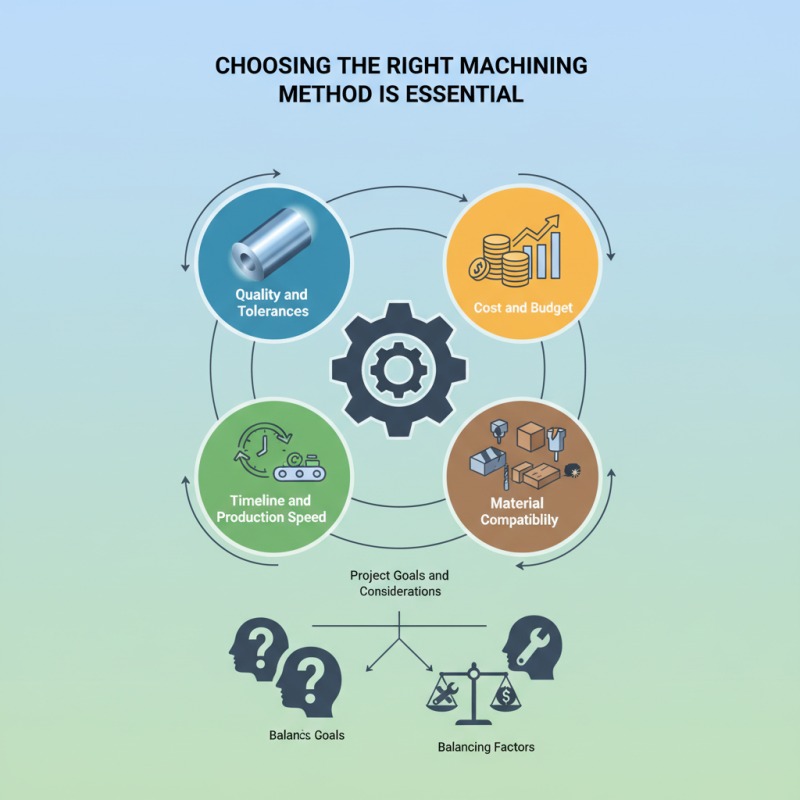
Choosing the right machining method for a project is critical. The process can influence quality, cost, and timeline. Each project comes with unique specifications and requirements. These differences often determine the best machining approach.

So, how to select the right machining method for a project? Consider material compatibility first. Not all methods are suitable for every material. For instance, some metals require specific techniques. Additionally, think about the desired finish and tolerances. Different machining methods produce varying levels of precision.

Reflect on your project goals. Will the method impact production speed? Is budget a concern? While advanced techniques offer superior results, they may also increase costs. Balancing these factors is essential. Ultimately, understanding how to select the right machining method requires careful thought and a willingness to adapt.
Why Choosing the Right Machining Method is Essential for Your Project?

Importance of Selecting an Appropriate Machining Method for Projects

Choosing the right machining method can make or break a project. It affects quality, cost, and time. Each project has unique requirements. The machining method must align with these needs. For instance, precise parts may demand CNC machining. Simpler tasks could benefit from manual methods.

Material type plays a critical role too. Some materials are easier to cut than others. For metals like aluminum, rapid methods work well. Yet, tougher materials like titanium require more time and advanced techniques. The selection impact is real. Poor choices can lead to wasted resources and delays.

Sometimes, teams overlook the importance of testing. Trial runs can reveal flaws in the chosen method. This step is often neglected, resulting in issues later. Reflection on past projects aids decision-making. An informed choice enhances outcomes and builds reliability. Prioritizing the right machining method is not just beneficial; it’s essential.

Why Choosing the Right Machining Method is Essential for Your Project?

Machining Method Advantages Disadvantages Best Applications
CNC Machining High precision, repeatability, and ability to handle complex designs. High setup cost and longer lead time for small batch sizes. Aerospace parts, medical devices, and custom components.
Conventional Milling Flexible for small runs and changes; lower initial cost. Lower precision compared to CNC; labor intensive. Prototyping and simple component machining.
Electrical Discharge Machining (EDM) Excellent for hard materials and intricate shapes. Slow operation and high operational costs. Tool making and complex geometries.
Laser Cutting High speed, precision, and versatile material compatibility. Limited thickness for certain materials; edge quality can vary. Sheet metal fabrication and signage.
3D Printing Rapid prototyping and complex geometries without tooling. Surface finish may not match traditional methods; slower for large production. Prototyping and custom, low-volume parts.

Factors Influencing the Choice of Machining Techniques

Choosing the right machining method is crucial for project success. Several factors influence this choice. Material type plays a significant role. Metals like titanium require specific techniques due to their toughness. For example, CNC machining is often preferred for its precision with difficult materials.

Another critical factor is the component's design. Complex geometries may need advanced approaches like 5-axis machining. According to industry reports, about 70% of machining errors stem from inadequate technique selection. This shows the importance of matching methods with design requirements.

Tip: Always evaluate project specifications carefully. Engaging with experts can clarify the best machining approach for your needs.

Cost considerations also shape the decision. Some methods may present a lower upfront cost but lead to expensive errors later. A recent study indicated that firms often underestimate long-term expenses associated with poor technique choices. They can account for up to 30% of project overruns.

Tip: Conduct a cost-benefit analysis as part of the planning process. This ensures a holistic view of all factors. Selecting the right machining method is a blend of experience and informed choices.

Comparison of Traditional and Modern Machining Methods

When selecting a machining method, different techniques yield varied results. Traditional machining methods, such as turning and milling, have been the backbone of manufacturing for decades. These processes rely on skilled operators and heavy machinery. They often show exceptional precision on hard materials but can be time-consuming. Additionally, setup costs can add up quickly.

On the other hand, modern machining methods, including CNC machining and additive manufacturing, offer notable advantages. CNC machines provide precision and repeatability, drastically reducing human error. Additive manufacturing, like 3D printing, allows for complex designs that were previously difficult to achieve. However, the technology can be costly and requires specialized knowledge to operate effectively.

Each method has its pros and cons. Traditional methods may lack flexibility in design but shine in straightforward tasks. Modern methods can be quick but may face limitations with certain materials. Understanding these nuances is vital for any project, as the wrong choice can lead to delays and increased expenses. Balancing innovative technology with proven techniques is essential for achieving optimal results.

Impact of Machining Method on Project Cost and Timeline

Choosing the right machining method greatly impacts both project cost and timeline. Different methods, like CNC machining and additive manufacturing, can lead to varying expenses. CNC machining often requires expensive equipment and skilled labor. However, it can produce high precision components quickly, which might save time and reduce costs in the long term.

On the other hand, additive manufacturing may require less initial investment. Yet, it can be slower and more resource-intensive for specific applications. It’s crucial to analyze the project requirements before making a decision. While one method may seem cheaper initially, hidden costs can arise down the line.

Project delays can occur if the chosen method is not suitable. An inexperienced team may struggle with complex projects. This can result in rework and wasted materials. Taking time to evaluate each method based on project goals is vital. Cost estimates should include potential overruns. Balancing speed, quality, and budget is not easy, but it is necessary for successful outcomes.

Applications of Different Machining Methods in Various Industries

The choice of machining method can significantly impact various industries. Each industry has specific requirements, leading to different applications of machining techniques. For example, aerospace often relies on precision machining. According to a recent industry report, 70% of aerospace components must meet strict tolerances. This ensures safety and reliability in flight operations, highlighting the need for accuracy in machining.

In contrast, the automotive sector utilizes a blend of machining methods. CNC machining is prevalent here, offering high efficiency and repeatability. Data from a market analysis indicates that CNC machining accounts for nearly 50% of all machining operations in automotive manufacturing. This method allows for complex parts to be produced swiftly, yet it demands careful programming and setup to avoid costly errors.

However, not all projects benefit from advanced machining techniques. Some small-scale operations still rely on traditional methods, which can be less cost-effective. While these methods may lack the speed of modern approaches, they sometimes offer a degree of craftsmanship that automated processes cannot replicate. Companies must weigh the pros and cons of each method, ensuring they select the best approach for their unique project needs. This decision-making process is crucial to project success across various industries.

Applications of Different Machining Methods in Various Industries

This chart illustrates the applications of various machining methods across different industries, highlighting their relevance and distribution.

FAQS

: What factors should I consider when choosing a machining method?

: Material type, component design, and cost are essential factors.

How does material type influence machining choices?

Tough materials like titanium require specific techniques for effective machining.

Why is component design important in machining?

Complex geometries may need advanced methods, increasing precision and reducing errors.

What impact does machining method have on project costs?

The right method can save long-term costs. Poor choices may lead to overruns.

How can I ensure I select the best machining method?

Evaluate project specifications and consult with experts for tailored advice.

Why should I conduct a cost-benefit analysis for machining?

It provides insight into hidden costs and helps avoid underestimating expenses.

What happens if the chosen machining method is unsuitable?

It can lead to delays, rework, and wasted materials, impacting project timelines.

Are all machining methods equally cost-effective?

No, some methods may present lower upfront costs but incur hidden long-term expenses.

What should I remember about project timelines and machining?

Selecting the right method is key. Speed, quality, and budget must all be balanced.

Conclusion

Choosing the right machining method is crucial for the success of any project, as it significantly influences the project's overall cost and timeline. Various factors play a role in this decision-making process, including the material type, required tolerances, and production volume. Understanding how to select the right machining method for a project involves comparing traditional approaches, such as milling and turning, with modern techniques like additive manufacturing and CNC machining. Each method has its unique advantages and applications across different industries, shaping the outcomes in terms of efficiency and quality.

The impact of the chosen machining technique extends beyond operational efficiency; it can also determine the project's feasibility and market competitiveness. By carefully evaluating the different machining techniques and their corresponding applications, project managers and engineers can make informed decisions that align with their specific goals and constraints. This not only optimizes resource use but also helps in achieving desired results within the allocated budget and timeline.

Sienna

Sienna

Sienna is a skilled marketing professional with a deep expertise in our company’s core products and services. With a passion for innovation and detail, she plays a pivotal role in crafting insightful blog posts that not only highlight the unique features of our offerings but also provide valuable......