Choosing the best material for a machining project is rarely a simple matter of strength or price. A drawing may specify aluminum, stainless steel, brass, titanium, or engineering plastic, yet the real decision begins with the part’s working environment. Temperature, corrosion, impact, dimensional stability, surface finish, and production volume all matter. So does the machine itself.
This guide explains how to choose materials for machining projects through practical engineering criteria. It considers cutting forces, tool wear, chip control, heat transfer, tolerances, and post-machining treatment. Aluminum can machine quickly, but some grades may distort during thin-wall work. Stainless steel resists corrosion, but poor tooling or insufficient rigidity can create heat and work hardening. Titanium offers impressive strength-to-weight performance, although it demands careful speed, feed, and cooling control.
Dr. David A. Dornfeld, a respected manufacturing researcher, stated, “Manufacturing is a major contributor to the environmental impact of products.” His observation adds an important dimension to material selection. Material waste, machining time, tool consumption, and recyclability should influence the decision, not just the purchase price.
There is no universal winner.
An experienced machinist may select a less expensive alloy because it delivers better tool life and fewer rejected parts. However, that choice can fail when corrosion exposure or fatigue loads are underestimated. This article examines those trade-offs clearly, using material behavior and shop-floor realities rather than attractive specifications alone. The recommendations are practical, but not absolute. Every project deserves verification through drawings, supplier data, testing, and a controlled prototype.
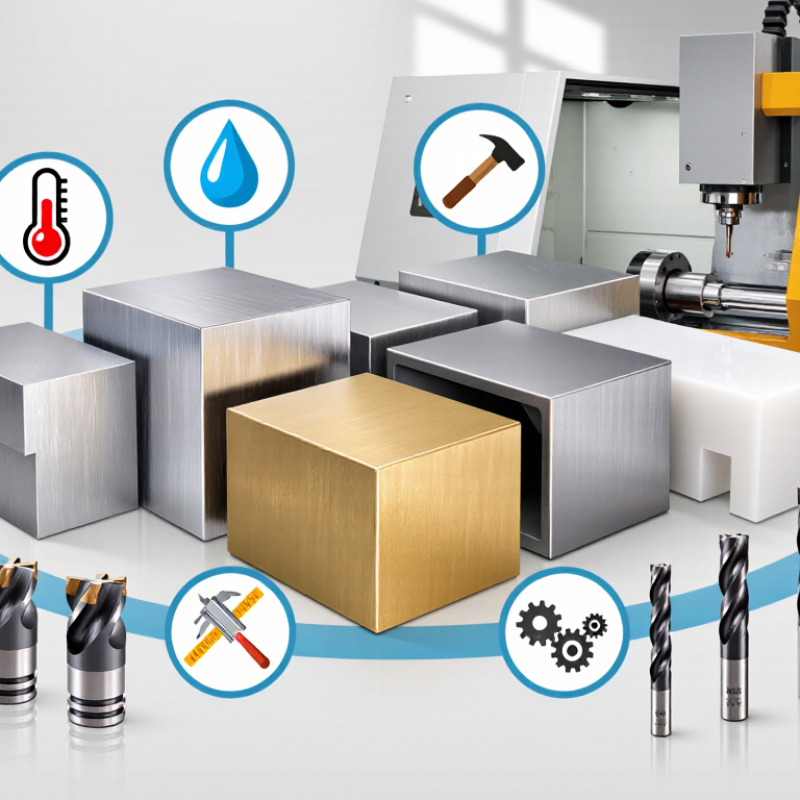
The best material for a machining project is not always the easiest metal to cut. Material selection should begin with function, production volume, tolerance, and service conditions. A housing used outdoors may need corrosion resistance, while a precision shaft may require stiffness and fatigue strength. The cutting tool, coolant, machine power, and finishing method also affect the decision.
Industry data supports a practical view. The World Steel Association reported global crude steel production of about 1.89 billion tonnes in 2023. This supply depth usually supports stable pricing and broad availability. The U.S. Geological Survey’s 2024 Mineral Commodity Summaries also identifies aluminum as a major industrial material, valued for low density and strong recyclability. Aluminum often machines quickly, but its softer surface can create built-up edges. Stainless steel resists corrosion, yet it may generate heat and harden during cutting. Titanium is strong and light, but it demands slower speeds and careful heat control. No material wins every time.
Tips: Compare machinability, strength, corrosion resistance, and total cost together. Request a certified material test report before production. Test one sample first. A real workshop may discover that the planned alloy causes vibration or poor chip control. That is not failure; it is useful evidence. I have seen teams choose the cheapest stock, then spend more on tooling, rework, and inspection. A better decision records the trade-offs before cutting begins. Check the ASM Handbook and current supplier data for verified mechanical properties, because published values can change with temper, heat treatment, and thickness.
Choosing the best machining material depends on the part’s job, not just its appearance. Metals offer strength, heat resistance, and predictable dimensions. Aluminum cuts easily and suits lightweight housings, brackets, and prototypes. Stainless steel handles corrosion and heavy loads, but it creates more heat and demands sharper tooling. Brass machines cleanly and provides useful electrical and decorative properties.
Plastics can reduce weight, noise, and production cost. Engineering plastics work well for bushings, covers, guides, and low-friction components. However, heat can distort thin plastic walls during cutting. Composites provide excellent stiffness-to-weight performance. Fiber-reinforced materials are useful in demanding structures, but their layers may separate at edges. Dust control also matters because composite particles can irritate the lungs and damage equipment. I have seen a visually perfect composite panel fail after poor edge support. That mistake changed how I inspect finished parts.
Tips: Match the material to load, temperature, moisture, and tolerances. Test a small sample before committing to a full batch. Use slower cutting conditions when heat threatens plastic stability. Support thin sections close to the cutting area. For composites, use appropriate extraction and protective equipment. Keep written measurements, because memory is unreliable. Material selection is sometimes a compromise, and my first choice is not always the best after machining begins. Converse with the designer when surface finish or dimensional stability seems uncertain.
What Is the Best Material for Machining Projects?
Matching Material Properties to Machining Requirements
The best machining material depends on the part’s function, not simply its price or hardness. In practical workshop experience, aluminum is useful for lightweight housings and prototypes because it cuts easily and removes heat quickly. However, thin aluminum walls can vibrate or deform during clamping. That detail is easy to overlook.
Steel offers strength, wear resistance, and stable dimensions under load. Medium-carbon grades often suit shafts, brackets, and fixtures. Hardened steel can deliver excellent service life, but it demands rigid tooling, controlled feeds, and effective coolant. Stainless steel resists corrosion, yet its low thermal conductivity may create heat at the cutting edge. Titanium is strong and light, but poor setup choices can cause excessive tool wear.
Tips: Match hardness, toughness, thermal behavior, and corrosion resistance to the part’s working environment. Check the material certificate when consistency matters. Use a test cut to confirm chip formation, surface finish, and dimensional movement. A material that machines beautifully may still fail in service.
For precision parts, dimensional stability deserves equal attention. Plastics can machine cleanly, but heat from aggressive cutting may soften edges or change tolerances. Brass provides good machinability, although it may not suit high-load applications. I once treated machinability as the main priority; the finished part looked excellent but lacked enough wear resistance. That was a useful correction. Material selection should balance cutting performance with real operating conditions, inspection results, and the limits of the machine.
Material choice controls more than the purchase price. During real machining, cost, precision, durability, and surface finish interact. Aluminum is often economical because it cuts quickly and needs less tool force. Steel costs more to machine, but its stiffness supports stable dimensions under load. Hard alloys may survive severe service, yet they consume time, tooling, and patience.
Precision depends on rigidity, thermal behavior, and chip control. Steel usually resists vibration better than softer materials. However, aluminum can deliver excellent accuracy with sharp tools and suitable cutting speeds.
Plastics require extra care because heat can distort thin walls. Measure the part after cooling, not immediately after cutting. That small delay prevents false confidence.
Durability also changes the best choice. Stainless steel handles moisture well, while brass machines smoothly and can produce a clean finish. A rough surface may result from poor feeds, tool wear, or weak fixturing, not the material alone. Coolant selection matters. So does tool geometry. In shop practice, a test cut often reveals more than a catalog description. I have seen a low-cost material become expensive after repeated finishing passes. The first estimate can be wrong. That is worth checking before production begins.
Choosing the best material depends on the application, not simply on cutting speed. Aluminum suits lightweight housings, brackets, and prototypes because it machines quickly and produces clean chips. The U.S. Geological Survey reported approximately 70 million metric tons of primary aluminum production worldwide in 2023. That scale supports broad availability, but alloy selection still matters. Soft alloys may smear during finishing. Harder grades can hold threads and dimensions more reliably.
Steel remains practical for shafts, fixtures, and components facing repeated loads. World Steel Association data recorded about 1.89 billion tonnes of crude steel production in 2023. Low-carbon steel is generally forgiving, while hardened steel demands rigid setups, suitable tooling, and controlled heat. Stainless steel helps resist corrosion, yet its work-hardening behavior can punish shallow cuts. Titanium offers excellent strength-to-weight performance, but it conducts heat poorly and can damage tools when feeds are poorly matched. Plastics reduce weight and electrical conductivity, although thermal expansion may disturb tight tolerances.
A useful shop review should compare strength, corrosion exposure, thermal movement, surface finish, and total machining time. I still treat catalog machinability ratings as estimates, not promises. That is easy to forget. The same alloy can behave differently after heat treatment, with a worn tool, or under weak workholding. Reports from the International Organization for Standardization also emphasize controlled material identification and traceability in quality systems. Therefore, confirm the material certificate, test a small feature, and measure the finished part before committing to full production.
Thermal conductivity affects how efficiently a material transfers heat away from the cutting zone. Aluminum and brass generally dissipate heat more effectively, while stainless steel and titanium retain more heat and typically require careful cutting speeds, feeds, and coolant control. The best material still depends on strength, corrosion resistance, dimensional stability, and the final application.
Start with the part’s working conditions, not only its price or cutting speed. Consider load, corrosion, heat, weight, tolerances, and expected service life. The cheapest option may fail later.
Aluminum suits lightweight housings, brackets, and prototypes. It cuts easily and removes heat quickly. Thin walls can vibrate or deform during clamping. That detail is easy to miss.
Steel provides strength, wear resistance, and stable dimensions under load. It works well for shafts, fixtures, and brackets. Hardened grades need rigid tooling, controlled feeds, and effective coolant.
Stainless steel resists corrosion, but it conducts heat poorly. Heat can build near the cutting edge. Some grades also harden during cutting. Avoid repeated shallow passes.
Titanium is strong and lightweight, but machining requires careful setup. Poor feeds can create heavy tool wear. Use suitable tooling, firm workholding, and controlled cutting conditions. It is not forgiving.
Plastics can produce clean surfaces and reduce weight. However, cutting heat may soften edges or change tolerances. Thermal expansion can also affect tight dimensions. Measure parts after machining.
A test cut reveals chip formation, surface finish, and dimensional movement. It also shows whether the tool and setup are suitable. A small trial can prevent a large batch of rejected parts.
Material certificates help confirm composition and consistency. They matter when strength, treatment, or dimensional behavior must remain predictable. Still, paperwork cannot replace inspection. Measure the finished part.
No. Machinability is only one part of the decision. A material may cut beautifully but lack enough wear resistance. I once made that mistake. The surface looked excellent, but service performance was weak.
Selecting the right material is a critical step in any machining project because it affects cutting performance, dimensional accuracy, tool life, cost, durability, and final appearance. The main options include metals, plastics, and composite materials, each offering different advantages. Metals are often chosen for strength, heat resistance, and wear performance, while plastics can provide lightweight construction, chemical resistance, and easier processing. Composites may deliver a useful balance of low weight and structural strength, but they can require specialized machining methods.
Knowing how to choose materials for machining projects begins with matching material properties to the intended application and production requirements. Important factors include hardness, rigidity, thermal behavior, machinability, tolerances, surface finish, and expected service conditions. Cost should also be evaluated alongside precision and long-term durability rather than considered separately. By comparing these factors carefully, manufacturers can select a material that supports reliable production, efficient machining, and satisfactory performance in applications ranging from functional components to detailed prototypes.
MecMill Precision