Choosing the right materials for machining projects can significantly impact the final product's quality. Expert Dan King, a leading authority in manufacturing, emphasizes, "Material selection is crucial; it defines performance and durability." In the vast world of machining, understanding how to choose materials for machining projects involves a balance of various factors.
It is not just about selecting the most expensive or popular option. The properties, including strength, machinability, and cost, must align with project requirements. Different projects may demand specific attributes, whether it's heat resistance or corrosion resistance. Factors like the machining process and the desired end use also play a role in material selection.
Mistakes in material choice can lead to costly delays. Additionally, relying solely on past experiences without adapting to new materials can hinder innovation. Continual learning in the industry is vital for success. Evaluating your choices will ultimately refine your process and enhance the quality of your work.
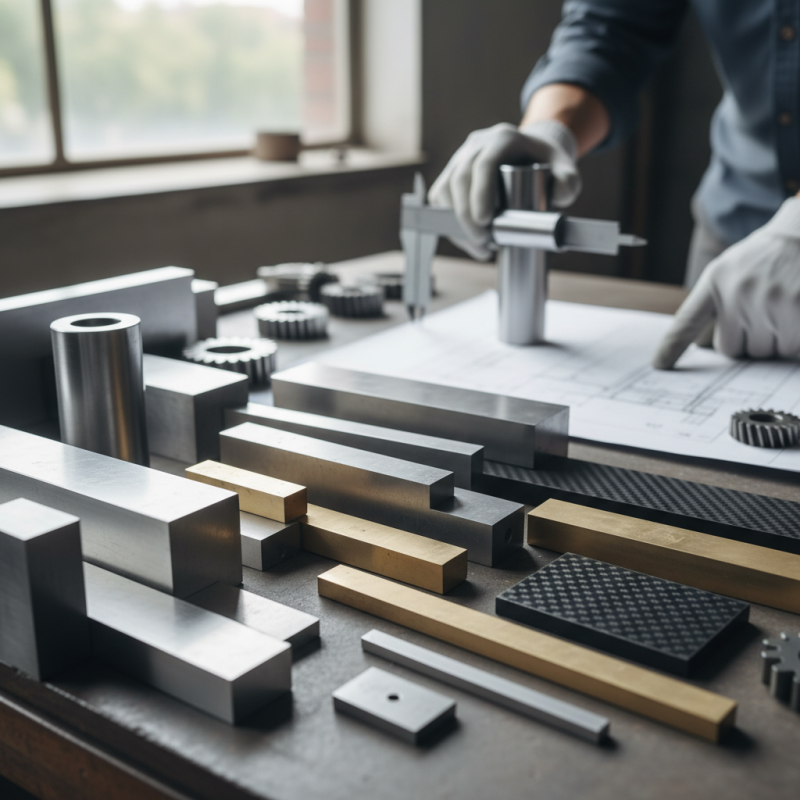
When selecting materials for machining processes, various factors play a critical role. The intended application of the machined part significantly impacts material choice. For heavy-duty components, consider durability and strength. On the other hand, for parts requiring precision, select materials known for their dimensional stability.
Another vital factor is machinability. Some materials are easier to machine, reducing tool wear and production time. Aluminum and brass, for example, offer excellent machinability. In contrast, harder materials like titanium may pose challenges, leading to increased costs and time. Always be prepared for trade-offs, as some materials may not meet all performance criteria while still being feasible for your project.
Thermal properties also warrant attention. High temperatures can affect material integrity during machining. Ensure that selected materials withstand heat generated in the process. Additionally, consider cost-effectiveness. While premium materials may enhance performance, they may not always be necessary for every application. Sometimes, a less expensive alternative can achieve similar results with careful planning.
When selecting materials for machining projects, understanding the common types is crucial. Metals are often favored for their strength and durability. Steel is widely used, known for its hardness and versatility. It can withstand high stress, making it ideal for various applications. Aluminum is another popular choice. It is lightweight and resistant to corrosion, but lacks the same strength as steel. This trade-off makes it suitable for components like housings or brackets.
Plastics are growing in popularity due to their low weight and ease of machining. Nylon and PVC are common choices. They offer resistance to moisture and chemicals, making them reliable for specific uses. However, they may not provide the structural support needed in heavy-duty applications. Wood is another viable material, valued for aesthetics and workability. Yet, its durability is often questioned in industrial settings.
Each material has its pros and cons. The right choice depends on project requirements. Consider not just strength but also factors like cost and availability. Machining is an art that requires careful thought. The material you choose can truly impact the outcome. It’s essential to reflect on each option’s performance and suitability for your specific needs.
Material hardness plays a crucial role in machining efficiency and tool wear. Harder materials typically require more power to machine. This increased demand can lead to faster tool degradation. According to recent industry reports, tools used on hard materials wear out 50% faster than those on softer materials. This rapid tool wear drives up operational costs.
Moreover, machinists must consider the balance between material hardness and machinability. For instance, materials like titanium, though strong, present significant challenges in terms of chip formation and cutting speed. Studies indicate that optimal cutting speeds can reduce tool wear by over 30%. However, exceeding these speeds can lead to premature failures, highlighting the need for constant monitoring.
Choosing materials based on hardness requires experience. Machinists often face dilemmas when selecting between efficiency and longevity. The right decision relies on understanding the workpiece and the tools in use. The industry's shift towards harder materials requires a reevaluation of traditional machining strategies. Sufficient knowledge can prevent costly mistakes.
Choosing the right materials for machining projects can be challenging. Many factors come into play, particularly cost versus performance. Price is an important consideration. However, opting for the cheapest materials can lead to poor performance, increased wear, or even project failure. It’s crucial to balance these factors.
Performance often relates to the material's properties. High tensile strength, hardness, and abrasion resistance are essential for demanding applications. Some materials may perform well but are costly. Others might be budget-friendly but lack durability. Understanding specific project needs is vital. A thorough evaluation can help avoid wasting resources and time.
Reflecting on choices is necessary. Sometimes we select a material based on price alone, only to regret it later. Evaluating specific requirements can prevent such pitfalls. Consulting with experts can also provide clarity. They can assist in understanding the trade-offs involved. Each project may have unique demands, warranting a reconsideration of material selection strategies.
This chart displays the cost and performance metrics of various materials typically used in machining projects. The materials are compared based on their cost per unit and their performance rating on a scale of 1 to 10, allowing project managers to evaluate their options effectively.
When selecting materials for machining projects, sustainability and environmental impact are key factors to consider. The production and disposal of materials can significantly affect our planet. According to the International Journal of Advanced Manufacturing Technology, the machining industry generates millions of tons of waste annually. This data highlights the need for careful material selection.
Recycling and using eco-friendly materials can reduce this impact. Aluminum and certain plastics are often praised for their low environmental footprint. These materials not only perform well but also contribute to a circular economy. Many studies indicate that choosing recyclable materials can lower greenhouse gas emissions by nearly 30%.
Tips: Always evaluate the life cycle of materials before selection. Consider their source and potential for recycling. Engage with suppliers who prioritize sustainability.
Not all machining materials are equally eco-friendly. Some metals, like steel, can be energy-intensive in processing. Reflecting on the sources of your materials may reveal less eco-conscious suppliers. Prioritizing sustainability does not always mean sacrificing quality. It’s about finding the right balance between performance and environmental responsibility.
: Steel is widely used due to its hardness and versatility. It can withstand high stress and is durable.
Aluminum is lightweight and corrosion-resistant. However, it is not as strong as steel.
Nylon and PVC are popular for their moisture and chemical resistance but may lack structural support for heavy-duty roles.
Harder materials require more power, leading to faster tool wear and higher operational costs.
Optimal cutting speeds can reduce tool wear by over 30%, but exceeding them can cause premature failures.
Sustainability impacts waste generation and environmental footprints, making careful material selection crucial.
They contribute to lower greenhouse gas emissions and support a circular economy while maintaining performance.
Understanding the life cycle helps gauge environmental impact and promotes sustainable sourcing.
No, some materials, like processed steel, can be more energy-intensive and less eco-conscious than others.
It’s important to find a balance between performance, cost, and environmental responsibility in material selection.
When considering how to choose materials for machining projects, several key factors come into play. It is essential to evaluate the specific requirements of the machining process, including mechanical properties, precision needs, and the intended application of the finished product. Understanding common material types, such as metals and plastics, along with their characteristics, can significantly influence the machining outcomes.
Additionally, the impact of material hardness on efficiency and tool wear must be taken into account, as harder materials often result in increased wear rates on tools. Balancing cost and performance is also crucial; selecting a material that offers optimal functionality without exceeding budget constraints can enhance project viability. Finally, the sustainability and environmental impact of chosen materials should not be overlooked, as increasingly conscious manufacturing practices are becoming a priority in the industry.

MecMill Precision