How to Choose the Right Materials for CNC Machining?

Time:2026-04-29 Author:Henry
0%

Choosing the right materials for CNC machining is crucial for successful production. The performance and durability of the final product largely depend on these materials. Many engineers and manufacturers often ask, "what materials can be used in CNC machining?"

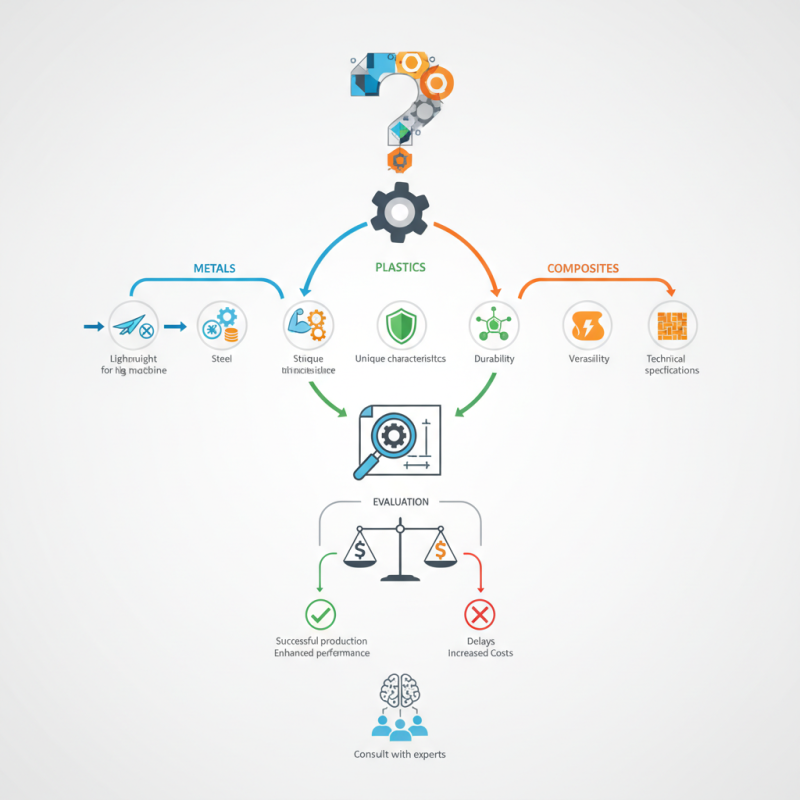
Various options exist, including metals, plastics, and composites. Each material offers unique characteristics. For instance, aluminum is lightweight and offers excellent machinability. However, it may not be suitable for high-stress applications. On the other hand, steel provides strength but can be challenging to machine due to its hardness.

Considering the right material involves understanding its properties and how they relate to the intended use. Materials selection should consider not only technical specifications but also cost and availability. Mistakes here can lead to production delays and increased costs. Take time to evaluate the options carefully and consult with experts when necessary. With the right choice, you can enhance product performance and ensure long-term reliability.
How to Choose the Right Materials for CNC Machining?

Factors to Consider When Selecting CNC Machining Materials

Choosing the right materials for CNC machining is crucial for the success of your project. There are several factors to consider. The type of material affects the overall design and functionality. Metal, plastic, and composites each have unique properties. Metals like aluminum offer strength but may require more power during machining. Plastics are lighter and easier to work with but can lack durability.

The intended application plays a vital role in material selection. Consider factors like heat resistance, chemical exposure, and weight. For aerospace projects, lightweight materials with high strength are essential. This may narrow down your choices and require careful thought.

Testing different materials can guide you in finding the best fit.

Cost is another important factor. Higher quality materials may lead to better performance but can increase overall costs. Think about your budget and how it aligns with project goals. Balancing these aspects is challenging. Each choice has trade-offs that require reflection and adjustments.

Common Materials Used in CNC Machining and Their Properties

Choosing the right materials for CNC machining is crucial. Various materials exist, each with unique properties that influence the machining process. Common materials include aluminum, steel, and plastics. Aluminum is lightweight yet strong, making it ideal for many projects. It exhibits excellent machinability and corrosion resistance, but it can be more expensive.

Steel is another popular choice due to its hardness and durability. Different grades offer various characteristics. High-carbon steel, for example, is tough but can be difficult to machine. Stainless steel is resistant to corrosion but may require more care during machining. The challenge lies in selecting the right grade for your needs.

Plastics, like acrylic and nylon, are versatile options. They are easier to machine than metals but might not hold up under heavy stress. The choice of material often reflects a balance between cost, strength, and application. Reflecting on past material choices can lead to improvements in future projects. Choosing the wrong material can lead to issues like tool wear or product failure. Understanding the properties of each material is key to successful CNC machining.

Common Materials Used in CNC Machining and Their Properties

The Impact of Material Selection on Machining Cost and Efficiency

Material selection plays a crucial role in CNC machining. It directly affects both cost and efficiency. Choosing the right materials can lead to significant savings and optimized production processes. For example, aluminum is often favored. It is lightweight, easy to machine, and cost-effective. In contrast, titanium, while strong, is more expensive and harder to work with. Such choices impact the overall budget.

Cost considerations don't just include the price of materials. Machining time, tool wear, and waste also add to the expenses. For instance, harder materials typically lead to faster tool wear. This results in frequent replacements and increased costs. On the efficiency side, selecting materials based on their machinability can reduce cycle times and improve throughput. However, many manufacturers overlook this factor.

Some may think that focusing solely on the cheapest option is best. This shortsightedness can lead to subpar products and longer lead times. Reflecting on these choices is necessary. Balancing cost with quality and machinability is vital for achieving success in CNC machining. Each project is unique, and careful consideration of material selection is essential.

Assessing Material Availability and Supply Chain Reliability

Material selection for CNC machining is critical. Availability and supply chain reliability deeply influence project success. If you overlook these factors, delays may occur. Material shortages can halt production, increasing costs and affecting deadlines.


Assessing material supply starts with understanding local availability. Research your suppliers. Knowing their capabilities can prevent unexpected disruptions. Discuss lead times and inventory levels with them regularly.


Tips: Build relationships with multiple suppliers. Diversifying sources enhances flexibility. Keep informed about market trends. This knowledge helps anticipate potential shortages. Regularly reevaluate your material needs as projects evolve. Adaptability is key in machining.

Understanding Material Compatibility with CNC Machining Techniques

When selecting materials for CNC machining, understanding compatibility with various techniques is crucial. According to a report by the International Journal of Advanced Manufacturing Technology, over 70% of machining failures stem from material mismatches. This highlights the need for careful consideration of the chosen material's characteristics, such as density, hardness, and machinability.

Different CNC techniques work better with certain materials. For instance, aluminum is ideal for machining due to its excellent machinability and low density. Steel, on the other hand, presents challenges due to its toughness and requires specific tooling. Machining high-performance plastics can lead to warping if not calibrated properly. Reports suggest that friction and heat generation are major issues, which can compromise precision.

Interfacing materials effectively with CNC machines necessitates knowledge of tooling requirements. Selecting the right cutting speed and feed rate can enhance efficiency. However, this varies widely depending on machine types and material properties. Understanding these nuances can directly impact production costs and time frames, as highlighted by a recent study showing that poor material choice can increase machining time by up to 30%. Recognizing these factors allows for improved planning and execution in CNC machining projects.

How to Choose the Right Materials for CNC Machining?

Material Type Hardness (HRC) Machinability Rating Common Applications
Aluminum 6061 30 80 Aerospace, Automotive Parts
Stainless Steel 304 22 70 Food Industry, Medical Devices
Titanium Grade 5 36 60 Aerospace, Medical Implants
POM (Acetal) N/A 90 Gears, Bearings
Brass C360 N/A 85 Plumbing Fittings, Electrical Connectors

FAQS

: Why is material selection important in CNC machining?

: It impacts design, functionality, cost, and efficiency significantly.

What materials are commonly used in CNC machining?

Metals, plastics, and composites are popular choices, each with unique properties.

How does intended application affect material choice?

Applications require specific traits like heat resistance and weight, influencing material selection.

What role does cost play in selecting materials?

Higher quality materials can improve performance but also increase overall costs.

Can material selection affect machining efficiency?

Yes, choosing materials based on machinability can improve throughput and reduce cycle times.

What is the impact of using cheaper materials?

It may lead to lower quality products and longer lead times, which is often overlooked.

How do harder materials affect costs?

They can cause faster tool wear, requiring frequent replacements and raising expenses.

Should testing different materials be considered?

Yes, testing can identify the best fit for specific projects, guiding better decisions.

Can balancing cost and quality be challenging?

Yes, each choice has trade-offs that necessitate careful reflection and adjustments.

What should be reflected upon when selecting materials?

It’s essential to consider the trade-offs between cost, quality, and overall project requirements.

Conclusion

Choosing the right materials for CNC machining is crucial to achieving optimal efficiency and cost-effectiveness in production. Key factors to consider include the specific properties of common materials such as metals, plastics, and composites, which can significantly affect machining performance. Understanding what materials can be used in CNC machining helps in assessing their compatibility with various techniques and processes.

Additionally, material selection impacts both machining costs and overall efficiency, necessitating careful evaluation of material availability and the reliability of supply chains. A well-informed decision on materials leads to enhanced production quality and reduced operational issues, making it essential for manufacturers to thoroughly analyze their options in the context of their specific machining requirements.

Henry

Henry

Henry is a dedicated marketing professional with a profound expertise in the company's offerings. With years of experience in the industry, he possesses an impressive understanding of the market dynamics and consumer behaviors that drive success. Henry is committed to sharing his insights through......