China Top 10 Machining Methods How to Choose the Right One?

Time:2026-09-10 Author:Sophia
0%

Choosing among China’s top 10 machining methods is not a popularity contest. It is a fit-and-risk decision.

The keyword “how to select the right machining method for a project” begins with the part itself. Study its material, geometry, tolerance, surface finish, quantity, and delivery schedule. A tight aluminum bracket may suit CNC milling. A long steel shaft may need turning. Complex prototypes could benefit from 5-axis machining, while repeated parts may justify CNC automation. Small details matter. A sharp internal corner can change the entire process plan.

Dr. Tony Schmitz, a respected manufacturing professor and machining researcher, emphasizes this practical principle: “The process must fit the part, not the other way around.” That idea sounds simple. It is often ignored. Engineers sometimes choose familiar equipment before checking tool access, fixturing, chip evacuation, or thermal distortion. I have seen attractive designs become expensive because one hidden tolerance controlled every operation.

This guide compares ten widely used machining methods in China. It examines capabilities, typical materials, production volume, accuracy, cost, and realistic limitations. It also considers supplier experience, inspection equipment, and communication quality. A low quotation is not always a low-cost solution. Rework leaves evidence: delayed shipments, rejected batches, and frustrated teams. The right method should produce acceptable parts consistently, not merely one impressive sample. Use the comparison as a starting point, then validate the choice with a manufacturability review and a small trial run. Mistakes can still happen. Good planning makes them visible earlier.
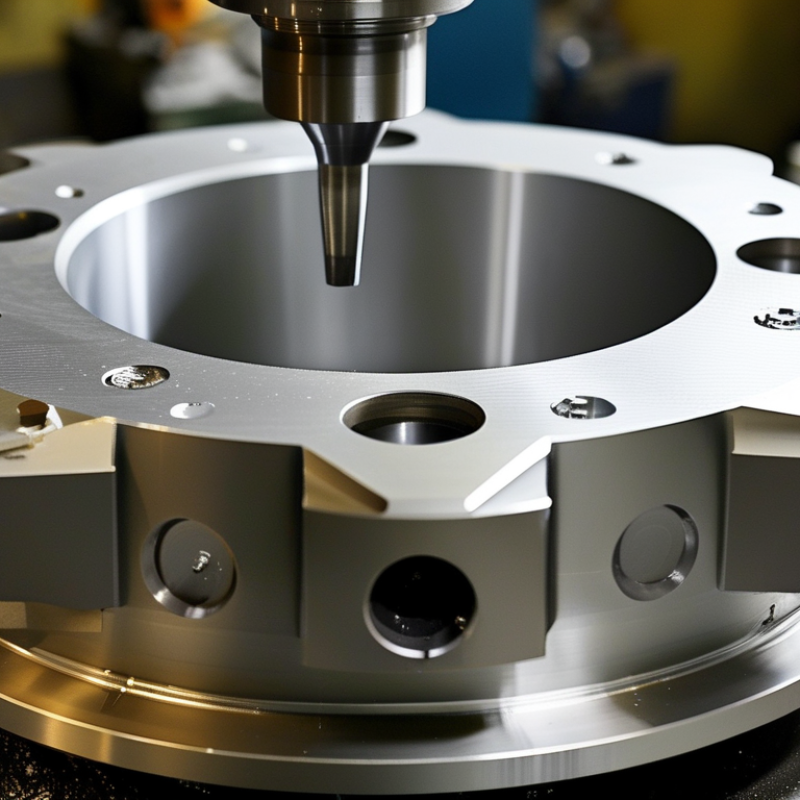
China Top 10 Machining Methods How to Choose the Right One?

What Are the Top 10 Machining Methods Used in China?

China’s machining sector relies on ten widely used methods for different production needs.

Turning Turning removes material from rotating shafts, pins, and cylindrical parts.
Milling Milling cuts flat surfaces, slots, pockets, and complex profiles.
Drilling Drilling creates accurate holes for fasteners, pipes, and assembly points.
Grinding Grinding improves surface finish and achieves tight dimensional tolerances.
Boring Boring enlarges existing holes when drilling alone lacks enough accuracy.
Broaching Broaching produces internal keyways and repeated profiles efficiently.
Gear hobbing Gear hobbing forms precise teeth for transmission components.
Wire EDM Wire EDM cuts hardened conductive materials with a thin electrical wire.
Sinker EDM Sinker EDM creates deep cavities using a shaped electrode and controlled sparks.
Laser cutting Laser cutting handles thin metal sheets with fast, concentrated heat.

The result matters. In practice, choosing among these methods depends on material hardness, shape, tolerance, batch size, and surface requirements. Turning may be economical for steel shafts, while EDM suits hardened tool steel with narrow internal features. Grinding can correct small errors, but it cannot replace careful earlier machining.

I have seen teams select CNC milling for every part, which sounds flexible but may increase cost and setup time. That choice can be wrong. Experienced Chinese workshops usually review drawings, inspect trial pieces, and measure finished dimensions with calibrated equipment. Still, process plans need revision when vibration, heat, or tool wear changes the result.

How Do China’s Machining Methods Differ in Process and Application?

China’s machining methods differ mainly in cutting principle, accuracy, speed, and suitable material. CNC turning removes material from rotating workpieces, making it effective for shafts, rings, and threaded parts. CNC milling moves cutters across fixed or rotating stock, creating slots, pockets, and complex faces. Grinding removes tiny amounts through abrasion and often achieves tighter finishes. Electrical discharge machining uses controlled sparks, so it can shape hardened steel without direct cutting force.

Laser cutting is fast for sheet metal, while waterjet cutting produces little heat distortion. Wire EDM follows narrow profiles through conductive materials, including hardened alloys. Injection molding is different: it forms repeated plastic parts through a mold rather than cutting each part. Additive manufacturing builds components layer by layer, supporting lightweight geometries but often requiring post-processing. The boundary is not always clean.

According to the International Federation of Robotics, China installed 276,288 industrial robots in 2023, representing more than half of global installations. This supports automation-heavy production, especially for repeatable CNC and molding work. Grand View Research estimated the global CNC machine market at about 88.6 billion dollars in 2023, with continued growth through 2030. Numbers matter, but they do not select the process for you.

A practical choice starts with the part. Use turning for rotational geometry, milling for multi-face features, EDM for hardened precision cavities, and laser or waterjet cutting for flat profiles. Tight tolerance may require grinding after machining. A faster cycle can still create costly distortion. That mistake is common. Material, batch size, tolerance, surface finish, and tooling access should be checked together before quoting.

Which Materials and Components Suit Each Machining Method?

China Top 10 Machining Methods: How to Choose the Right One?

Material and component geometry should guide machining selection. CNC milling suits aluminum housings, steel brackets, and complex pockets with flat reference surfaces. Turning fits cylindrical shafts, bushings, and threaded parts. For hardened steel molds, grinding delivers tight tolerances and fine surfaces, often below 1 micrometer Ra when conditions are controlled. Wire EDM handles conductive tool steel with narrow slots and sharp internal corners. It cannot machine insulating ceramics.

Material behavior matters more than catalog labels. Aluminum removes quickly but can smear under poor lubrication. Stainless steel generates heat and work-hardening, so rigid fixtures and controlled cutting speeds are essential. Titanium demands low heat input and stable tool engagement. Plastics need sharp tools, low clamping pressure, and chip evacuation. Small details matter.

The International Energy Agency reports that industry produces roughly one-quarter of global greenhouse-gas emissions, making process efficiency relevant beyond cost. The 2024 Circularity Gap Report estimates global circularity at only 7.2%, reinforcing the value of repairable, material-efficient components. Still, choosing the “best” method is not always obvious. A five-axis process may reduce setups, but its programming burden can outweigh savings on a simple bracket. Prototype trials, cutting data, and inspection results should challenge assumptions before production.

How Should You Compare Precision, Cost, Speed, and Surface Finish?

China Top 10 Machining Methods: How to Choose the Right One?

Choosing a machining method starts with the part’s function, not its advertised tolerance. CNC milling often suits complex profiles and repeatable production. Turning is faster for cylindrical parts. Grinding can reach tighter tolerances, but it adds setup time and cost. Electrical discharge machining handles hardened materials and narrow features, although it is rarely the fastest option.

Precision is only useful when the assembly needs it. A 0.01 mm tolerance may be practical for a bearing seat, but wasteful for a simple bracket. ISO 2768 provides general tolerance guidance, while actual results depend on material, machine condition, tooling, and inspection. Surface finish also changes the decision. Grinding may produce a smoother surface than milling, yet polishing or secondary finishing can increase lead time. Very smooth is not always better.

Cost should include programming, fixtures, inspection, scrap, and delivery risk. Deloitte’s 2024 Smart Manufacturing Survey found that 86% of manufacturing leaders expect smart manufacturing to strengthen competitiveness within five years. That suggests process monitoring matters, but software cannot rescue a poor process plan. The U.S. Department of Energy’s manufacturing assessments repeatedly identify compressed air, cutting fluids, and machine idle time as efficiency concerns. Compare real cycle time, not brochure figures. Small batches may favor flexible CNC work. Large volumes may justify dedicated tooling or transfer processes. I sometimes see teams over-specify finish and tolerance. That mistake is expensive.

China’s Top 10 Machining Methods: How to Choose the Right One?

Comparison of typical industrial performance using a 1–10 scale, where a higher score indicates better precision, cost efficiency, production speed, or surface finish. Actual results depend on material, geometry, tolerances, batch size, tooling, and process parameters.

Selection guide: Choose grinding or honing for the finest finish and tightest tolerances, CNC turning or milling for versatile production, EDM for complex conductive parts, laser cutting or waterjet cutting for rapid sheet processing, and additive manufacturing for highly complex low-volume components.

How Can You Choose the Right Chinese Machining Method?

Choosing the right Chinese machining method starts with the part, not the supplier’s equipment list. Examine the material, geometry, tolerance, quantity, and surface finish. CNC milling suits prismatic parts with pockets, slots, and angled faces. CNC turning fits shafts, pins, and cylindrical components. Grinding becomes useful when a bearing surface needs very tight accuracy. Wire EDM can produce narrow slots and complex profiles in hardened materials.

A reliable selection process uses the production stage as a guide. Prototypes may benefit from flexible CNC machining, while large batches can justify tooling or automated production. Review technical drawings with an experienced engineer before requesting quotations. Ask for material certificates, inspection records, and sample measurements. A coordinate measuring machine can verify critical dimensions. However, inspection alone is not enough. I have seen acceptable samples fail after heat treatment because process changes were poorly controlled. That risk deserves attention.

Tips: Compare methods using total cost, not unit price alone. Check tolerance capability, lead time, and scrap controls. Send the same drawing to several qualified factories. Request a first-article inspection report. Keep critical dimensions clearly marked. If a supplier promises every tolerance without questions, pause. That confidence may be convenient, but it is not always professional. Recheck the design when machining becomes unusually expensive; sometimes the method is wrong, and sometimes the part itself needs refinement.

China Top 10 Machining Methods How to Choose the Right One? - How Can You Choose the Right Chinese Machining Method?

Machining Method How It Removes or Forms Material Common Materials Typical Tolerance* Typical Surface Finish* Suitable Production Volume Best Geometry or Application Main Advantages Key Limitations Selection Guidance
CNC Milling Rotating multi-point cutting tools remove material from a fixed or moving workpiece along multiple axes. Aluminum, steel, stainless steel, brass, copper, titanium, engineering plastics and composites. About ±0.02–0.10 mm, depending on machine capability, material, size and feature location. Approximately Ra 0.8–3.2 µm after standard machining; finer finishes may require additional passes. Prototype to medium and high volume. Prismatic parts, pockets, slots, holes, 3D contours, fixtures and structural components. Flexible, accurate and suitable for complex three-dimensional features. Material waste can be significant; deep narrow cavities may be difficult to reach. Choose CNC milling when the part has flat faces, pockets or complex contours and dimensional control is important.
CNC Turning A workpiece rotates while a cutting tool removes material from its outer or inner diameter. Aluminum, steel, stainless steel, brass, copper, titanium, plastics and many machinable alloys. About ±0.01–0.05 mm for common features, depending on diameter, length and process control. Approximately Ra 0.8–3.2 µm; grinding or polishing can produce finer surfaces. Prototype to high volume. Round shafts, bushings, pins, threaded parts, tubes, cones and rotational components. Efficient for cylindrical parts and often provides excellent concentricity. Not ideal for primarily flat or highly irregular geometries without additional milling operations. Choose CNC turning when the part is mainly rotational and requires accurate diameters, threads or bores.
CNC Swiss Turning Small-diameter material is supported close to the cutting tool while the tool performs turning and, in many cases, live-tool operations. Stainless steel, carbon steel, brass, aluminum, titanium, nickel alloys and precision plastics. About ±0.005–0.03 mm for suitable small components and controlled features. Approximately Ra 0.4–1.6 µm with suitable tooling and cutting conditions. Medium to very high volume. Long, slender, small-diameter medical, electronic, fluid-control and instrumentation components. Reduces deflection and supports repeatable machining of slender parts. Setup and programming can be more complex; economical mainly when volume justifies it. Choose Swiss turning for small, long parts where conventional turning may cause deflection or vibration.
CNC Grinding An abrasive wheel removes very small amounts of material to improve size accuracy and surface quality. Hardened steel, tool steel, stainless steel, ceramics and other hard, abrasive-resistant materials. About ±0.002–0.02 mm, depending on grinding type, workpiece geometry and inspection method. Approximately Ra 0.1–0.8 µm; high-quality finishing may require specialized grinding. Prototype, low, medium and high volume. Precision diameters, flat surfaces, bearing seats, molds, dies and hardened components. Excellent dimensional accuracy, repeatability and surface finish on hard materials. Slower than rough machining; limited material-removal rate and possible thermal distortion. Choose grinding when tight tolerances or a fine finish are required after heat treatment or prior machining.
Electrical Discharge Machining (EDM) Controlled electrical sparks erode conductive material without direct contact between tool and workpiece. Tool steel, hardened steel, carbide, titanium and other electrically conductive materials. About ±0.005–0.03 mm, depending on EDM type, electrode, depth and finishing passes. Approximately Ra 0.4–3.2 µm; roughness depends strongly on discharge settings. Prototype to medium volume; high volume for suitable repeatable features. Deep narrow slots, sharp internal corners, complex cavities, hardened dies and fine holes. Machines hardened conductive materials and creates shapes that conventional cutters may not reach. Only conductive materials can be processed; relatively slow and may leave a heat-affected layer. Choose EDM for intricate features in hardened conductive materials or when tool access is restricted.
Wire EDM A continuously moving electrically conductive wire cuts through conductive material using controlled sparks. Hardened tool steel, stainless steel, carbide, titanium and other conductive alloys. About ±0.005–0.02 mm with finishing passes and stable process conditions. Approximately Ra 0.2–2.5 µm, depending on the number of passes and machine settings. Prototype to medium and high volume for repeated profiles. Precision profiles, punches, dies, narrow slots and complex 2D contours. Produces accurate profiles in hardened material and can create narrow cuts with low mechanical force. Requires a through-cut or starting hole; cannot process electrically insulating materials. Choose wire EDM for precise through profiles, especially after heat treatment or on hard conductive materials.
Laser Cutting A focused laser beam melts, burns or vaporizes material while an assist gas removes the molten zone. Carbon steel, stainless steel, aluminum, copper, brass, titanium, wood, acrylic and selected plastics. About ±0.05–0.20 mm for many sheet-metal applications, depending on thickness and material. Typically Ra 3.2–12.5 µm on cut edges; edge quality varies with thickness and settings. Prototype to high volume. Flat sheet profiles, panels, brackets, enclosures, signage and thin-to-medium sheet components. Fast, flexible and economical for sheet profiles with minimal tooling requirements. Heat-affected zones, taper or dross may occur; thick sections and reflective metals require careful parameter control. Choose laser cutting for fast production of accurate 2D sheet-metal profiles without dedicated hard tooling.
Waterjet Cutting A high-pressure water stream, often mixed with abrasive particles, erodes the material without a heat source. Steel, stainless steel, aluminum, stone, glass, ceramics, rubber, composites and many heat-sensitive materials. About ±0.10–0.30 mm for common profiles; higher precision is possible with specialized settings. Typically Ra 3.2–12.5 µm, with a textured cut edge that varies through the thickness. Prototype to medium and high volume for suitable flat parts. Thick plates, large flat profiles, heat-sensitive materials and mixed-material assemblies. No significant heat-affected zone and broad material compatibility. Slower than laser cutting for many thin sheets; abrasive consumption and edge taper must be considered. Choose waterjet cutting when heat distortion must be avoided or when the material is difficult to cut thermally.
Broaching A toothed broach removes material progressively in one linear or rotary stroke. Steel, stainless steel, cast iron, aluminum, brass and other machinable metals. About ±0.02–0.08 mm for suitable internal or external features. Approximately Ra 0.8–3.2 µm, depending on tool design, material and finishing conditions. Medium to very high volume. Keyways, splines, serrations, polygonal holes and repeatable internal profiles. Very fast and consistent once the dedicated broach is available. High tooling cost; limited flexibility for design changes and generally unsuitable for low quantities. Choose broaching when a stable design requires large quantities of identical linear or internal profiles.
Hobbing and Gear Cutting A rotating cutter generates tooth profiles on gears, splines or similar components through synchronized motion. Carbon steel, alloy steel, stainless steel, cast iron, bronze, brass and engineering plastics. Typically ±0.02–0.10 mm for common gear dimensions; gear accuracy depends on the machine, cutter and inspection standard. Approximately Ra 1.6–6.3 µm before optional shaving, grinding or polishing. Prototype to high volume, depending on gear size and tooling requirements. Spur gears, helical gears, splines and other rotational tooth forms. Efficient and repeatable for producing accurate gear teeth at production scale. Requires specialized equipment; gear geometry, module, pressure angle and workholding must be defined correctly. Choose gear cutting when the component transmits motion or torque through standardized teeth or splines.

*The tolerance and surface-finish ranges are typical planning values, not guaranteed specifications. Final results depend on material, part size, geometry, machine condition, tooling, workholding, inspection standards and required production volume.

FAQS

: What machining method suits cylindrical parts?

: Turning works well for shafts, pins, and other round components. The workpiece rotates while a cutting tool removes material. It is often fast and economical. Not always.

When should I choose milling?

Milling suits flat surfaces, slots, pockets, and complex profiles. It offers flexible production for varied part shapes. However, using it for every part may increase setup time and cost. That choice can be wrong.

What method creates accurate holes?

Drilling creates holes for fasteners, pipes, and assembly points. Boring enlarges existing holes with better control. Use boring when drilling alone cannot meet the required accuracy. Measure it.

Which method provides the best surface finish?

Grinding can improve surface smoothness and dimensional accuracy. It may correct small machining errors. However, it cannot fully repair poor earlier machining. Very smooth is not always better.

Which methods handle hardened materials?

Wire EDM cuts hardened conductive materials with a thin electrical wire. Sinker EDM forms deep cavities using a shaped electrode and controlled sparks. Both methods suit narrow or difficult features. They are rarely the fastest options.

When is laser cutting appropriate?

Laser cutting suits thin metal sheets and simple sheet profiles. Its concentrated heat can cut quickly. Thickness, heat distortion, and edge quality still need evaluation. Check the edge.

How should precision and tolerance be selected?

Start with the part’s function and assembly requirements. A 0.01-millimeter tolerance may suit a bearing seat. It may be wasteful for a simple bracket. Tighter is not automatically better.

How do cost and batch size affect method selection?

Small batches often favor flexible computer-controlled machining. Large volumes may justify dedicated tooling or specialized processes. Real cost includes programming, fixtures, inspection, scrap, and delivery risk. Brochure speed can mislead.

What should workshops inspect during production?

Workshops should review drawings, inspect trial pieces, and measure finished dimensions. Calibrated equipment helps confirm actual results. Vibration, heat, and tool wear may require process changes. Plans can fail.

Can one machining method solve every production need?

No single method handles every shape, material, tolerance, and finish. Turning may suit a steel shaft. Grinding may refine its final dimensions. A mixed process is often more practical.

Conclusion

China offers a wide range of machining methods, including CNC milling, CNC turning, drilling, grinding, electrical discharge machining, laser cutting, waterjet cutting, Swiss machining, gear machining, and multi-axis machining. Each process differs in cutting principle, equipment, achievable accuracy, production speed, shape capability, and suitable materials. Selecting the right method depends on whether the component is simple or complex, the required tolerances, part size, material hardness, order volume, and surface finish requirements.

To determine how to select the right machining method for a project, manufacturers should compare precision, cost, lead time, flexibility, tooling needs, and post-processing requirements. Milling and turning are practical for many general components, while grinding and EDM are better for hardened materials and high-precision features. Laser or waterjet cutting suits sheet and plate work, whereas multi-axis and Swiss machining support intricate or miniature parts. A balanced evaluation of technical needs and production goals can help achieve reliable quality and cost-effective manufacturing.

Sophia

Sophia

Sophia is a dedicated marketing professional with an exceptional depth of knowledge about her company's products and services. With a keen understanding of market trends and customer needs, she crafts insightful blog posts that not only inform but also engage readers, enriching the company’s online......