CNC machining processes play a critical role in modern manufacturing. Companies strive for precision and efficiency. However, errors can lead to costly mistakes and waste. Understanding how to avoid errors in CNC machining processes is essential for success.
Proper training is vital for operators. Equipped with knowledge, they can make better decisions. Regular maintenance of machines also helps reduce the likelihood of errors. Worn-out parts often lead to complications that could have been prevented.
Additionally, using advanced software can enhance accuracy. Such technology allows for simulations before real work begins. However, not all errors can be avoided. Sometimes, unforeseen issues arise during the production process. Acknowledging this can lead to improved strategies for future projects. Overall, the goal remains clear: minimizing errors is key to achieving high-quality results.
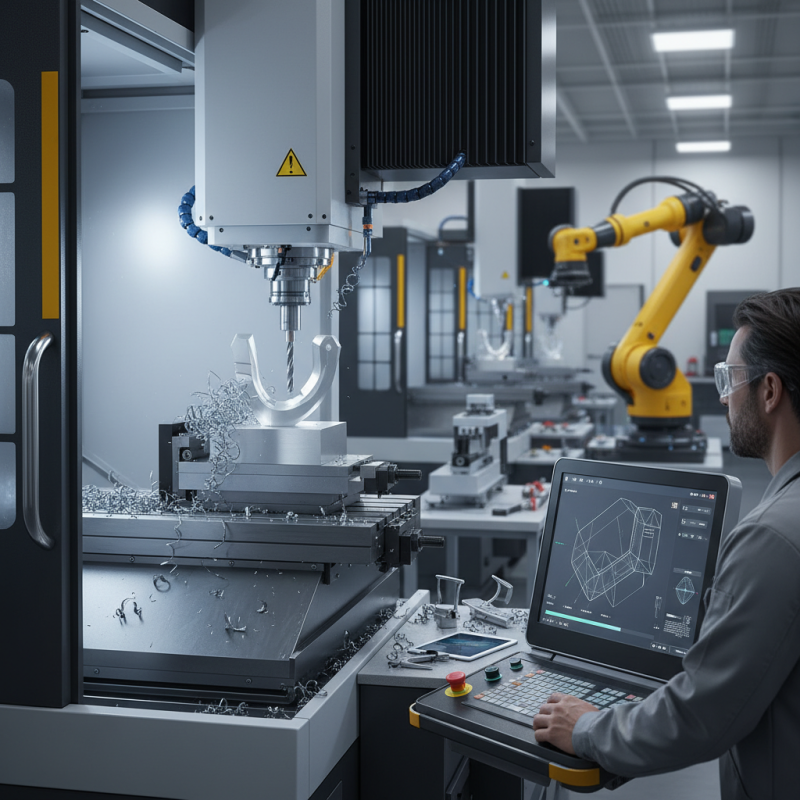
CNC machining errors can stem from various factors, impacting both quality and efficiency. Understanding these causes is crucial for improving production processes. According to industry reports, about 30% of CNC machining errors are due to human oversight. This indicates the need for skilled operators who can anticipate and mitigate mistakes.
Tips: Regular training sessions can significantly enhance operator skills. Provide resources for continuous learning.
Mechanical issues are another major cause. Misalignment, worn-out tools, and improper setup can lead to significant errors. A survey revealed that 25% of firms reported misalignment as a frequent problem. Implementing routine maintenance and precise calibration can alleviate these issues.
Tips: Keep a daily checklist for machine condition. Document any changes in performance to spot patterns.
Finally, software errors arise from outdated or incompatible systems. Reports show that approximately 20% of production delays are linked to software malfunctions. It’s essential to stay updated on CNC software capabilities and configurations.
Tips: Collaborate with IT specialists to ensure software is current. Encourage feedback from operators on software usability.
In CNC machining, robust design and engineering practices are pivotal for reducing errors. Properly defined design specifications help in minimizing ambiguities. Use clear tolerances and dimensions to guide the machining process. This clarity prevents misinterpretations that often lead to mistakes. Another crucial aspect is the design for manufacturability (DFM). It ensures that parts can be produced effectively with minimal errors.
Regular maintenance on CNC machinery is crucial for ensuring optimal performance and accuracy. Scheduled checks can prevent unexpected breakdowns that lead to costly downtime. Regularly inspecting critical components like spindles and bearings can identify wear before it becomes problematic. Consistent lubrication is vital, as it reduces friction and extends the life of the machinery.
Monitoring the coolant system is another essential task. Over time, fluids can become contaminated, affecting both the machine and the quality of cuts. Keeping coolant at the correct levels and ensuring it's clean can improve performance significantly. This routine might seem mundane, but even minor oversights can have significant consequences, such as increased scrap rates.
While maintenance protocols are essential, it’s easy for teams to overlook specific aspects. For example, regular calibration of the machine can be neglected during busy production times. This can lead to discrepancies in dimensions and tolerances. A systematic approach to maintenance, with checklists and reminders, can help prevent these lapses. Adjusting the maintenance schedule based on usage patterns could also yield better results and ensure long-term reliability.
| Method | Description | Frequency | Impact on Errors |
|---|---|---|---|
| Conduct Regular Maintenance | Routine checks and servicing to prevent machine breakdown. | Monthly | High |
| Training Operators | Ensure operators are well-trained on machine use and safety. | Semi-annually | Medium |
| Use Quality Tools | Invest in high-quality cutting tools to reduce wear and tear. | As needed | High |
| Routine Calibration | Ensure accuracy of machines through regular calibration checks. | Quarterly | High |
| Check Software Updates | Regularly update CNC software to fix bugs and improve performance. | Bi-monthly | Medium |
| Conduct Safety Checks | Perform safety inspections to ensure safe operation. | Weekly | High |
| Monitor Machine Performance | Use monitoring systems to track machine performance metrics. | Continuous | High |
| Implement Quality Control | Regularly inspect finished products to ensure quality standards. | Per batch | High |
| Ensure Proper Setup | Double-check machine setup before starting operations. | Every job | High |
Utilizing advanced software for error detection and correction in CNC machining is crucial. These tools can identify potential errors early in the process. They analyze data in real time, providing immediate feedback. This allows operators to adjust settings before a small mistake escalates into a costly problem.
Tips for effective error reduction include regularly updating software. Outdated systems may lack features needed for efficient error detection. Implementing training programs for staff can also enhance their ability to utilize software tools effectively. Regular training helps in recognizing patterns that software might flag. Ensure that operators are familiar with software capabilities.
Another important aspect is integrating simulation features. Simulation software can create virtual prototypes. This helps in visualizing the machining process before actual production. Constant monitoring of machining operations through software can also alert operators to irregularities. Actively engaging with these tools leads to a more reliable machining process, fostering a culture of continuous improvement.
Even with advanced tools, human oversight remains invaluable. Errors can sometimes be subtle, and human experience is essential in final decision-making.
Effective CNC machining relies heavily on operator training. Ensuring that operators understand best practices can dramatically reduce errors. Training sessions should cover essential aspects like tool selection and setup procedures. Proper understanding of the machine’s capabilities is crucial. Operators need hands-on experience to develop their skills.
Regular workshops can reinforce learning. Operators should be encouraged to share their experiences, particularly mistakes they’ve encountered. Discussing these issues promotes a culture of continuous improvement. Even seasoned operators can make errors. Reviewing past performances helps identify patterns that lead to problems.
Implementing a system to document lessons learned is beneficial. This creates a reference for future operators. Encouraging feedback on training methods can highlight areas for improvement. Overall, a well-rounded training program fosters a more reliable CNC machining environment.
: CNC machining errors can arise from human oversight, mechanical issues, or software malfunctions.
About 30% of CNC machining errors are due to human mistakes. Skilled operators can help mitigate these issues.
Mechanical issues, such as misalignment or worn-out tools, contribute significantly. Misalignment is reported by 25% of firms as a frequent problem.
Routine maintenance and precise calibration can help reduce mechanical errors. Keeping a daily checklist is advisable.
Software errors can cause significant delays. About 20% of production delays are linked to outdated or incompatible systems.
Collaborating with IT specialists and providing regular training can ensure software is current and usable.
Simulation software allows for visualizing processes before production. This helps prevent errors and improves reliability.
Effective training on best practices, tool selection, and hands-on experience can dramatically reduce potential errors.
Yes, sharing experiences of past mistakes encourages a learning culture and helps identify patterns in errors.
It creates a reference for operators and highlights areas for continuous improvement in CNC processes.
To effectively understand how to avoid errors in CNC machining processes, it's important to first identify the common types of errors and their underlying causes. Implementing robust design and engineering practices lays the foundation for precision and reliability. Regular maintenance on CNC machinery also plays a crucial role in ensuring operational efficiency and reducing the likelihood of malfunctions.
Additionally, utilizing advanced software for error detection and correction can significantly enhance the accuracy of machining processes. Equally important is the training of operators, equipping them with best practices for CNC operation. By focusing on these strategies, manufacturers can minimize errors, optimize productivity, and maintain high-quality standards in their CNC machining processes.

MecMill Precision