In the evolving landscape of manufacturing, understanding what is the difference between prototyping and production machining is crucial. Prototyping focuses on creating initial models. These models help in testing ideas before full production begins. Production machining, however, aims for high-volume manufacturing of parts with precision and consistency.
Each method serves distinct purposes in product development. Prototyping allows for experimentation. It often involves different materials and techniques, accommodating design changes. Conversely, production machining prioritizes efficiency. It streamlines the process to meet market demand without sacrificing quality.
While both are essential, they require different skill sets and expertise. Industry professionals must recognize when to pivot from one approach to another. Failure to do so can lead to costly mistakes. Understanding these nuances enhances product outcomes. It encourages better planning and resource management for businesses. Ultimately, mastering both processes can significantly impact a company's success in the competitive market.
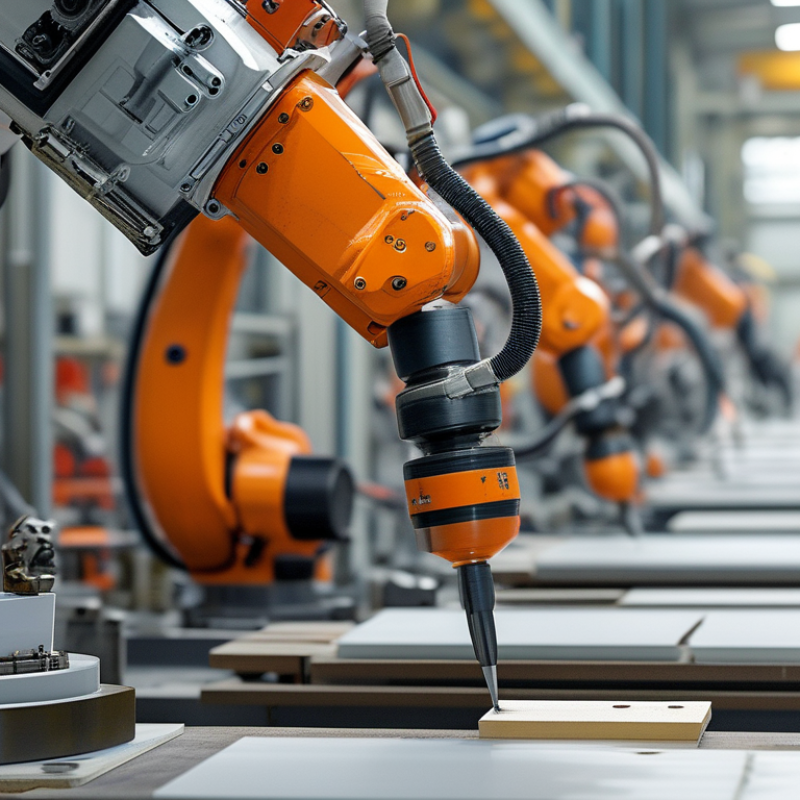
Understanding Prototyping: Definition and Purpose in Machining
Prototyping in machining is a crucial phase in product development. It involves creating a preliminary model to test concepts and ideas. This stage helps identify design flaws early, saving time and resources later on. Prototyping emphasizes experimentation, allowing engineers to explore different designs without committing to full-scale production.
The primary purpose of prototyping is to validate the functionality and feasibility of a design. Designers can assess dimensions, materials, and processes. This trial-and-error approach fosters innovation but can lead to unexpected challenges. Often, prototypes may not function as intended, highlighting areas for improvement. Adjustments made during this phase can significantly impact the success of the final product.
Moreover, feedback during prototyping is invaluable. Insights from stakeholders can guide revisions and refinements. However, it's worth noting that not all prototypes will be perfect. This unpredictability is part of the iterative process. Balancing ambition with practicality ensures that the final product is viable and reliable. Each prototype serves as a stepping stone toward achieving optimal design and functionality.
The Process of Prototyping: Techniques and Tools Used
Prototyping is a critical step in the product development journey. It allows designers to visualize concepts before full-scale production. Various techniques exist, catering to different project needs. 3D printing stands out as a popular method. It enables rapid creation of parts and highly detailed models. CNC machining also plays a vital role, offering precision and durability.
Tools like CAD software streamline prototyping. Designers can craft detailed digital models. This aids in identifying potential flaws early. Engineers often suggest incorporating feedback loops. Regular reviews enhance design quality and functionality.
Tips: Always allocate time to rethink your design. Are there improvements you can make? Minor adjustments can significantly impact performance. Meanwhile, maintain open communication with your team. Their insights can lead to unexpected solutions.
Balancing creativity with technical precision is key. Prototyping is as much about exploring ideas as it is about solving problems.
Production Machining Explained: Key Features and Applications
Prototyping and production machining are crucial in manufacturing. Production machining emphasizes precision and efficiency. This technique is vital for creating parts in bulk, reducing time and costs. It is commonly used in industries like automotive, aerospace, and medical devices. Advanced CNC machines play a key role in this process, ensuring high accuracy and repeatability.
Tips: Always evaluate the material you use. Different materials may yield varying results in production. Consider the tolerances required for your project. Striking the right balance between speed and precision is essential.
Production machining also includes milling, turning, and drilling. Each method serves different applications and has unique benefits. For instance, milling is perfect for complex shapes. Turning, on the other hand, is ideal for cylindrical parts. Understanding these methods can help in selecting the right approach for your needs.
Tips: Experiment with different machining speeds. This can lead to better surface finishes and prolonged tool life. Keeping an eye on potential wear and tear is crucial. Effective communication with your machining team can lead to better results.
Comparing Prototyping and Production Machining: Advantages and Disadvantages
Prototyping and production machining serve distinct purposes in manufacturing.
Prototyping focuses on creating a preliminary model to test ideas quickly.
This phase allows for iterative design changes, making it ideal for innovation.
It usually involves lower volumes, which can save costs initially. However,
prototyping can be time-consuming, particularly if revisions are frequent.
Additionally, the materials used may not always match those for final production, leading to discrepancies.
On the other hand, production machining emphasizes efficiency and precision.
Once a design is finalized, production machining scales up processes for large quantities.
This method ensures consistency in quality, which is critical for commercial success.
However, the upfront investment in machinery and setup costs can be significant.
Companies may face challenges if adjustments are needed after production has begun.
Balancing speed, cost, and quality requires careful consideration.
Both approaches have their merits and drawbacks.
Prototyping allows for creative flexibility but may lack durability.
Production machining delivers reliability at scale but demands precise planning.
Companies must evaluate which method aligns with their project goals, as well as their capacity to absorb risks associated with either approach.
Choosing the Right Approach: When to Use Prototyping vs. Production Machining
Prototyping and production machining serve different purposes in product development. Prototyping focuses on developing a concept quickly. It allows designers to test ideas, refine designs, and gather feedback early. This process can involve 3D printing or CNC machining with softer materials. The goal is to create a usable model without high costs. However, prototypes may lack durability.
On the other hand, production machining is about mass production. This method ensures precision and robust quality in the final product. It often requires advanced machinery and techniques suited for larger quantities. Here, the importance lies in material strength and consistency. However, transitioning from prototyping to production can introduce challenges. Costs may increase, and timeline adjustments can occur. It's vital to evaluate when to switch, balancing speed, cost, and quality.
Understanding when to use each method is crucial. Prototyping is excellent for brainstorming and innovation. When you are ready for production, machining brings reliability. Both methods have merits and drawbacks. The decision should be informed by project goals and resource availability. Reflection on past experiences can guide this choice, ensuring a tailored approach.
FAQS
: Prototyping creates preliminary models to test concepts and identify design flaws early, saving time and resources.
It allows engineers to experiment with designs without committing to full production immediately.
Prototypes may not function as intended, which can reveal necessary areas for improvement.
Stakeholder insights guide necessary revisions and refinements for better final products.
Use prototyping for quick concept development and to test ideas before moving to production.
Prototyping focuses on rapid development, while production emphasizes precision and quantity with higher costs.
Increased costs and timeline adjustments are common challenges in the transition phase.
No, not all prototypes achieve perfection; this unpredictability is part of the improvement process.
Reflection on previous projects helps tailor the approach, balancing ambition with practicality.
3D printing and CNC machining with softer materials are common in the prototyping phase.
Conclusion
The article "2026 Best Guide to Prototyping vs Production Machining" delves into the fundamental differences between prototyping and production machining. Prototyping serves as a crucial step in the development process, allowing engineers to validate ideas and designs before moving to full production. It involves various techniques and tools tailored for creating initial models, providing essential insights for further refinement. In contrast, production machining focuses on the efficient and high-volume manufacturing of parts, utilizing advanced machinery to achieve precision and scalability.
When exploring what is the difference between prototyping and production machining, it becomes clear that each approach has its own advantages and disadvantages. Prototyping is ideal for testing and iterating designs, while production machining is best suited for mass-producing parts with consistent quality. Ultimately, choosing the right approach depends on the specific goals of a project, such as whether the objective is to innovate or to produce reliably at scale.

 MecMill Precision